1. Product Overview
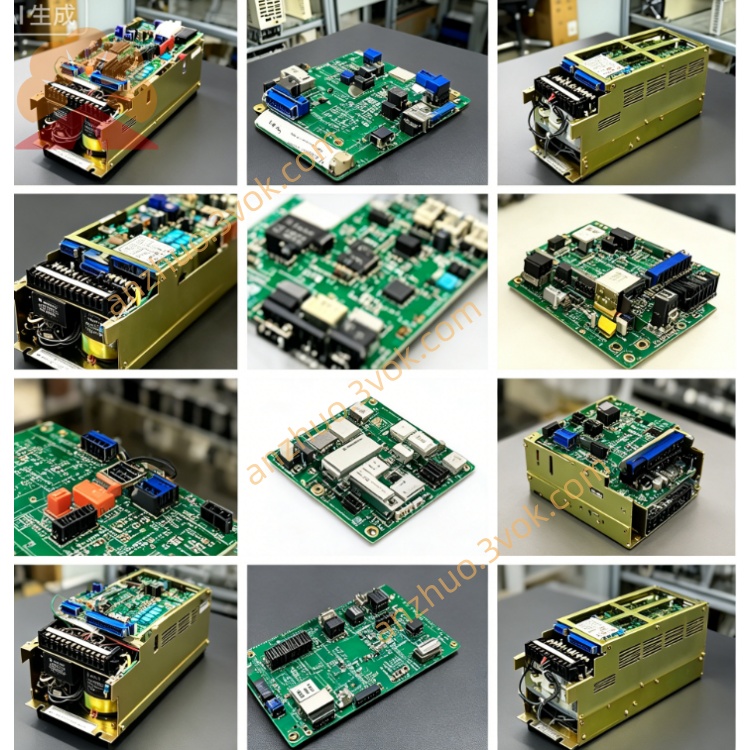
JZNC-MRK11 is Yaskawa original robot controller main system backplane rack for DX-series control cabinet, upgraded model based on MRK09 backplane structure, marked as MBB01 rack baseboard inside official hardware document. Standard version JZNC-MRK11-1E / MRK11-2E / MRK11-11E are mainstream specifications, configured with total 9 functional card slots to carry MRJ series servo communication board, main CPU control board, I/O option board and external axis interface boards, distributing system bus signal and DC power for all plug-in modules. It realizes centralized bus routing and power distribution among all internal control cards; no separate standalone English original manual, all technical content compiled from Yaskawa DX robot maintenance guide and official component datasheet.
2. Electrical Rating & Environmental Parameters
Rated input power source: cabinet internal switching power supply DC24V ±10%; maximum total output load current of full slots is 7.2A, onboard distributed PCB overcurrent protection circuit for individual slot short-circuit prevention. Matched optional external power module CPS-18FB supports AC200~230V input, converting to +5V(1.5A) and DC24V(4.5A) for backplane main power supply.
Continuous working ambient temperature: 0℃ ~ +55℃; storage temperature after power off: -20℃ ~ +70℃; working relative humidity range 5%~90%RH without condensation. Installation environment must avoid oil mist, corrosive gas, heavy mechanical vibration and strong high-frequency electromagnetic field, fixed vertically inside robot electric cabinet with four fixed screws, protection grade IP20 for cabinet inner installation only. Physical dimension approx 350mm(L)×330mm(W)×180mm(H), net weight around 4.4kg.
3. Slot & Connector Functional Description
3.1 Nine-group gold finger card slots
Each slot integrates DC24V power pin, +5V auxiliary power pin, proprietary internal robot bus pin, safety interlock signal pin and system common ground pin. All inserted functional boards obtain working power and high-speed bus communication through slot gold fingers; poor contact, pin oxidation or dust accumulation will lead to card power failure or intermittent bus communication alarm. Slot layout fixed by factory design: dedicated slot for MRJ servo board, independent slot for main CPU, remaining slots reserved for I/O, external axis option cards.
3.2 Main power input terminal block
Side-mounted multi-core terminal connector receives DC24V main power from cabinet power unit, distributes power to every slot via internal thick copper PCB traces; all cabinet safety circuit signals including emergency stop, safety door interlock converge on backplane shared signal circuit to build whole-system safety logic chain.
3.3 Full-board common grounding layer
Integrated large-area ground copper layer on PCB, all plug-in boards’ signal ground connects uniformly to backplane PE ground then links cabinet protective earth terminal, effectively suppressing ground potential drift and EMI signal interference causing unstable communication failure.
4. Standard Replacement & Installation Steps
Cut off total three-phase AC input power of robot control cabinet completely, wait at least 10 minutes for internal large-capacity capacitor residual voltage full discharge to prevent electric shock and component burnout risk during disassembly work.
Mark slot position and all external cable wiring order of every inserted circuit board one by one, pull out all MRJ board, CPU board and option I/O boards sequentially after finishing labeling all peripheral wiring.
Unscrew four fixed mounting screws of MRK11 backplane, take out faulty rack smoothly from cabinet fixed bracket.
Secure new JZNC-MRK11 on installation position with fastening screws, insert each control card back into original marked slot strictly, recover all power and signal wiring following pre-recorded mark without cross misconnection or vacant terminal wrong wiring.
Close cabinet door, switch on main power supply, complete system power-on self-test, confirm no bus error or power supply fault alarm; execute full-axis jog test one by one to verify all servo and control functions normal before formal production running.
5. Common Fault Diagnosis Guide
All plug-in boards indicator fully off after power-on: Check DC24V input voltage of backplane main terminal, inspect input cable open circuit or backplane main power track burnout damage.
Single inserted card intermittent power drop-out or communication loss: Clean corresponding slot gold finger to remove oxidation and dirt, check if the inserted board internal short triggers backplane single-slot overcurrent protection cut-off.
Whole system random intermittent servo communication dropout: Inspect loose backplane fixing screws leading to slot poor contact, eliminate over-temperature or surrounding strong electromagnetic interference source near control cabinet.
Partial slots no DC24V output: Confirm partial PCB power track open-circuit caused by long-term aging or local overheating burnout of backplane copper wiring.
6. Safety Operation Specification
Prohibit arbitrarily cutting, modifying onboard PCB wiring or changing factory original slot pin definition and terminal assignment; unauthorized circuit modification will destroy entire robot internal bus architecture and result in cascaded permanent damage of multiple control boards and servo amplifiers. All disassembly, maintenance and replacement operation must be performed by certified professional Yaskawa robot maintenance technicians; always disconnect cabinet main power before any backplane repair or wiring adjustment work.

Get a Quote