
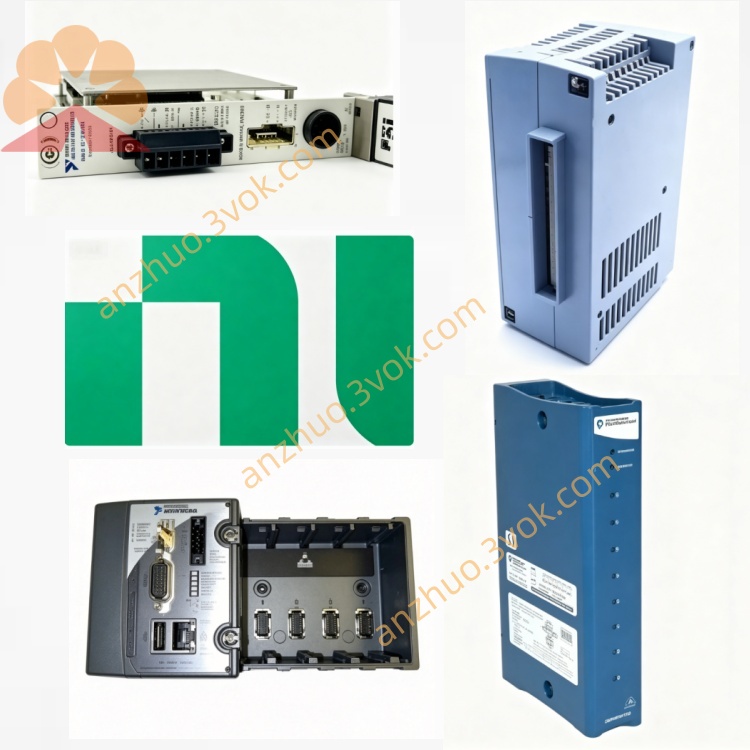
NI PXIe-4145 4-Channel Precision SMU Module
Description
Model Nomenclature
PXIe: PXI Express high‑speed modular instrumentation bus
41: Precision SMU product line
45: 4‑channel, ±6 V/±500 mA, 15 pA sensitivity, high‑speed sequencing and enhanced low‑current performance
Technical Specifications
Form factor: 3U single‑slot PXIe module
Channels: 4 independent, bank‑isolated from earth ground (common LO)NI
Voltage range: ±6 V, min step 0.1 mV
Current range: ±500 mA, six auto‑ranging scales (500 mA / 100 mA / 10 mA / 1 mA / 100 µA / 10 µA)
Power: 3 W sink/source per channel
Current sensitivity: 15 pA (10 µA range)
Sampling rate: up to 600 kS/s (V/I simultaneous)
Update rate: up to 100 kS/s
Voltage accuracy: ±0.015% reading + 50 µV
Current accuracy: ±0.025% reading + 15 pA (10 µA range)
Remote sense: 4‑wire with guard, programmable output impedanceNI
Protection: OVP, OCP, reverse polarity, overtemperature
Operating temperature: 0 °C to 55 °C (18 °C to 28 °C for rated accuracy)
Storage temperature: −40 °C to 70 °C
Connector: 25‑pin D‑Sub (male)NI
Weight: approx. 410 g
Interface and Communication Configuration
Bus: PXIe Gen1, Windows plug‑and‑play
Driver: NI‑DCPower v1.7.5 or later
Software: NI‑MAX, InstrumentStudio, LabVIEW, C/C++, Python
Trigger: PXI trigger lines 0–7, multi‑module hardware synchronization
I/O: Front‑panel 25‑pin D‑Sub for force, sense, and guard signalsNI
Core Features
Four‑quadrant operation: bidirectional source/sink for active and passive devices
15 pA ultra‑high sensitivity: precise leakage and ultra‑low‑current measurements
500 mA high current drive: suitable for power transistors, PMICs, and battery testing
SourceAdapt technology: adjustable transient response to minimize overshoot and ensure stability
4‑wire remote sense with guard: eliminates lead resistance and common‑mode errors in low‑current circuitsNI
High‑speed sequencing: hardware‑timed IV sweeps, pulse tests, and parallel multi‑channel test flows
Application Scenarios
Advanced power semiconductors: low‑voltage MOSFETs, FinFETs, and power diodes
Precision analog and RF ICs: low‑leakage amplifiers, switches, and sensors
PMICs and multi‑rail SoCs: high‑pin‑count ATE and parallel testing
Low‑power and battery‑operated devices: ultra‑low‑current consumption validation
MEMS and sensor characterization: picoamp‑level leakage and bias testing
Get a Quote