
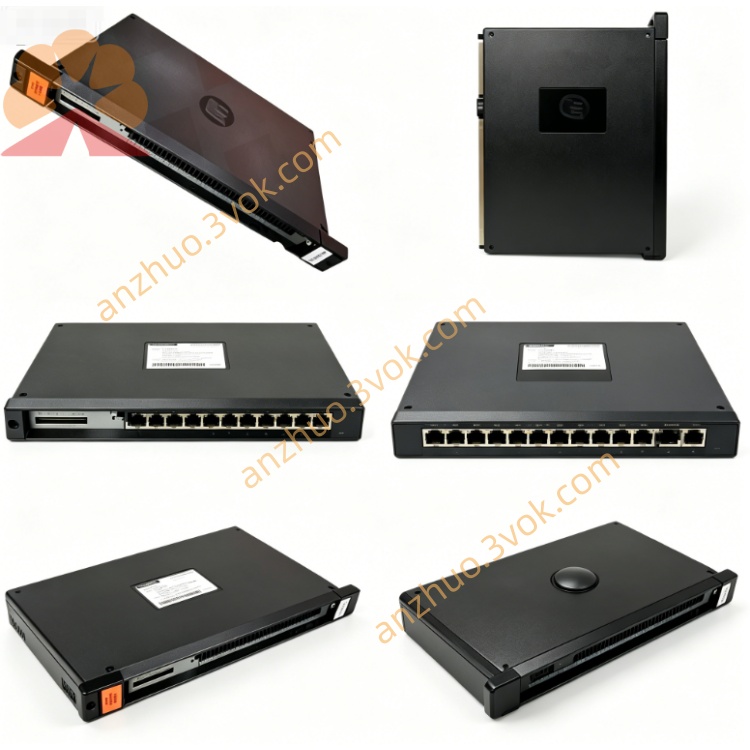
Reliance 57C435 high-performance 7010-series main processor module
Description
Product Brief Introduction
Model Definition
57C: Denotes the standard rack-mounted hardware platform of the Reliance AutoMax control system.
435: The unique functional code for the high-performance 7010-series main processor, distinguishing it from lower-performance 6011-series CPUs (e.g., 57C430, 57C431) and other 57C series modules (communication, I/O, memory).
No suffix indicates the standard production version; revisions (e.g., 57C435A) denote hardware upgrades with enhanced stability and compatibility.
Technical Specifications
CPU: 32-bit Motorola 68020, clock speed 25 MHz.
Memory: 512K parity-checked RAM (user program/data storage); 32K EPROM (boot/diagnostics); 290K available for application tasks.
Power: 5V DC from backplane, typical power consumption 15W.
Battery Backup: Onboard lithium battery retains RAM data during power outages; no external battery required for single-processor racks.
Environmental: Operating temperature 0°C to 55°C; storage temperature -20°C to 70°C; humidity 5%–90% non-condensing.
Indicators: Two green LEDs (BAT OK, OK); two 7-segment LED displays for fault codes (1st/2nd digit).
Watchdog: Hardware watchdog triggers system reset on program runaway; stops all I/O and resets modules on fault.
Dimensions: 11.75” H × 1.25” W × 7.37” D; weight approx. 1.5 kg.
Interface and Communication Configuration
Backplane: Gold-finger connector to AutoMax Multibus backplane for real-time data exchange with rack modules.
Front Ports: Two isolated DB-25 RS-232C serial ports:
PORT B (PROGRAMMER): Dedicated for program download, debugging, and connection to ReSource AutoMax Programming Executive software.
PORT A: For connecting HMIs, printers, or host systems.
Networking: No onboard Ethernet/fieldbus; requires 57C-series communication modules (e.g., 57C429) for external networking.
Multi-Processor Support: Up to five processors (mixed models) per rack for distributed control.
Core Functions
Executes user programs (Ladder Logic, Control Block, Basic) for discrete logic, PID regulation, and equipment interlocking.
Scans local I/O modules to collect analog/digital signals and outputs control commands based on program logic.
Manages system memory, caches data, and facilitates cross-module data sharing.
Coordinates communication between the local rack and external devices via expansion modules.
Monitors battery voltage, backplane power, and operational status; displays fault codes for diagnostics.
Supports multi-processor configurations for complex, high-throughput industrial processes.
Provides enhanced diagnostics and faster error recovery compared to 6011-series processors.
Application Scenarios
Core controller for high-speed automotive assembly lines, textile continuous processing machinery, and paper machine drive systems.
Control unit for metallurgical auxiliary equipment, rubber/plastic molding lines, and centralized water treatment pump stations.
Critical replacement part for aging AutoMax systems in printing presses, chemical processing plants, and material handling systems.
Ideal for high-vibration, high-noise industrial environments requiring enhanced reliability and faster processing.
Operation and Maintenance Instructions
Installation/Removal: Disconnect rack power before hot-plugging; insert along chassis rails and tighten front screws to ensure secure backplane contact.
Battery Maintenance: Check BAT OK LED regularly; replace lithium battery promptly if off to prevent data loss.
Cleaning: Remove dust from module surface and cabinet vents with dry compressed air every 3–6 months; avoid liquid cleaners on PCBs.
Wiring: Use shielded cables for RS-232 connections; separate signal cables from high-voltage power cables.
Troubleshooting: On startup failure, check 7-segment fault codes first; verify backplane connections and wiring before replacing the module.
Storage: Keep spare modules in dry, temperature-controlled areas away from corrosive gases and strong EMI.
Modifications: Unauthorized disassembly or component modification is prohibited without factory approval.
Get a Quote