
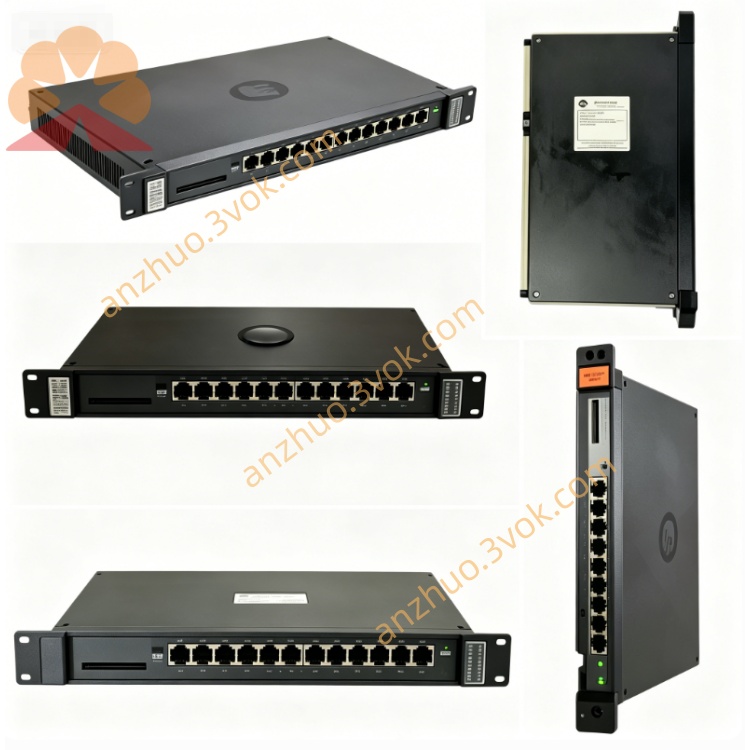
Reliance 57C-431 high performance main processor module
The 57C-431 is high performance main processor module belonging to Reliance AutoMax 57C rack series, the dash mark follows factory official part number specification. It is upgraded CPU unit compared with 57C-430 series, equipped with enhanced computing performance and optimized system diagnosis function. It takes charge of running user control programs, scheduling all I/O and communication modules inside control rack and realizing logic control and process regulation of on-site automation equipment. Original production has been stopped, this item is mainly used as spare replacement for maintenance and reconstruction of old AutoMax control cabinets in various industrial fields.
Description
Product Brief Introduction
The 57C-431 is high performance main processor module belonging to Reliance AutoMax 57C rack series, the dash mark follows factory official part number specification. It is upgraded CPU unit compared with 57C-430 series, equipped with enhanced computing performance and optimized system diagnosis function. It takes charge of running user control programs, scheduling all I/O and communication modules inside control rack and realizing logic control and process regulation of on-site automation equipment. Original production has been stopped, this item is mainly used as spare replacement for maintenance and reconstruction of old AutoMax control cabinets in various industrial fields.
Model Definition
57C stands for general rack hardware platform of Reliance AutoMax distributed control system. Middle dash is standard separation symbol of manufacturer part coding rule. 431 is exclusive function code for high grade main processor, which is different from common CPU module 57C-430 and communication modules within same product family. Standard model has no suffix letter, versions with A or B suffix represent hardware revised editions with improved circuit stability.
Technical Specifications
The module obtains 5V DC working power from chassis backplane bus with fixed rated operating current. Built-in parity checking RAM stores user program and running data, matching internal lithium backup battery to keep memory content after sudden power cut. Working ambient temperature ranges from 0 degree Celsius to 60 degree Celsius, storage temperature ranges from minus 40 degree Celsius to 85 degree Celsius. Working relative humidity is controlled between 5 percent and 90 percent without condensation. Onboard hardware watchdog circuit automatically triggers system reset under abnormal program operation. Several status indicator lamps and digital fault code display window are arranged on front panel for running condition checking.
Interface and Communication Configuration
Internal data transmission depends on gold finger contacting with proprietary AutoMax Multibus backplane bus to complete real-time instruction and data exchange with all peripheral modules on same rack. Two independent RS232 serial ports are set on module front side, one serves as programming port for program download and on-site fault debugging, another is applied to connect upper HMI or monitoring host equipment. No integrated fieldbus or Ethernet interface is reserved on module body, cross-network communication needs to cooperate with matched 57C series communication expansion modules such as 57C-429.
Core Functions
It executes compiled application programs to finish field discrete logic control, PID closed-loop adjustment and mechanical interlock protection control. It periodically scans all rack I/O modules to collect field analog and digital signals and send corresponding output control commands according to program calculation result. It manages system internal memory resource and processes shared data for cross-module data interaction. It realizes data exchange between local rack and remote distributed control stations with assistance of external communication modules. It continuously monitors backup battery voltage, backplane power and self-running state, displays corresponding fault codes once abnormal situation emerges. It supports multi-processor parallel installation inside single chassis to satisfy coordinated control demand of complicated automatic production lines.
Application Scenarios
It acts as core control unit of automobile assembling production line, textile continuous processing equipment and papermaking roller drive automation system. It is equipped in control cabinet of metallurgy auxiliary processing equipment, rubber plastic molding production line and centralized water treatment pump station group. It is common replacement spare part for damaged original CPU on aging AutoMax control equipment of printing machinery and chemical raw material processing workshop.
Operation and Maintenance Instructions
Cut off full rack power supply before plugging or pulling out module to avoid circuit damage caused by hot plug. Fasten front panel fixing screw after full slot insertion to guarantee stable contact of backplane gold finger. Check backup battery status regularly via front indicator light and replace battery in time under low voltage warning to prevent program data loss after power failure. Clear accumulated dust on module and cabinet ventilation openings with dry compressed air every three to six months, never splash liquid cleaning agent directly onto circuit board. Adopt shielded cable for all external serial wiring and separate signal cable from high-power cable during construction. Check digital fault display preferentially when system startup fails, inspect backplane connection and peripheral wiring before replacing spare module. Preserve standby modules in dry constant-temperature warehouse away from corrosive gas and intensive electromagnetic interference. Unauthorized disassembly or modification of original onboard electronic components is forbidden without official factory permission.
Get a Quote