
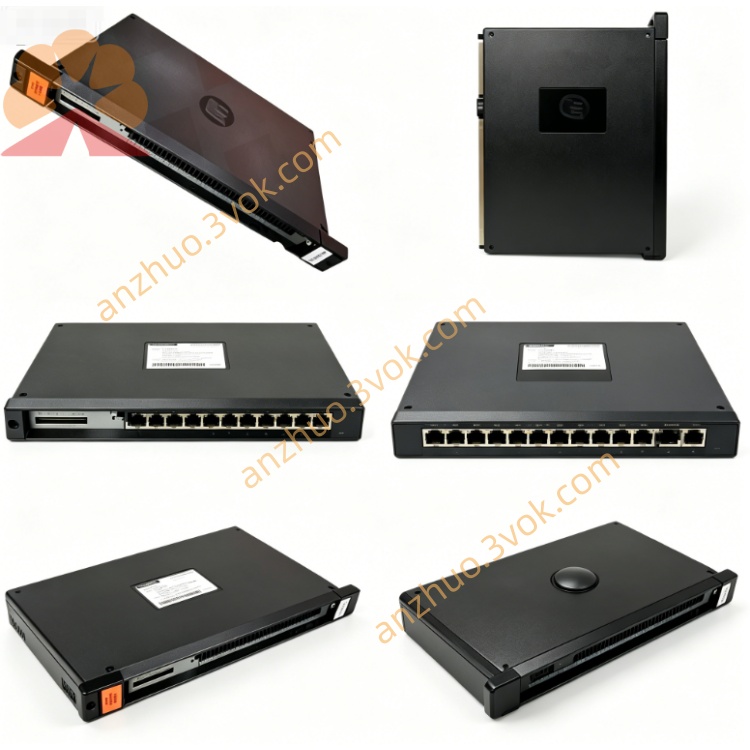
Reliance 57C-422B revised dual-axis servo motion control module
The 57C-422B is revised dual-axis servo motion control module of Reliance Electric 57C AutoMax rack series. It is upgraded version based on standard 57C-422, adopting optimized industrial electronic components to improve anti-interference and long time running stability. Equipped with dedicated motion processing chip, the unit achieves full closed-loop position and speed control for two independent servo axes by matching incremental differential encoder and servo driver. It exchanges motion instructions and operational data with rack main controller via internal backplane bus, widely used for replacement maintenance and equipment modification of old AutoMax automation control system.
Description
Product Brief Introduction
The 57C-422B is revised dual-axis servo motion control module of Reliance Electric 57C AutoMax rack series. It is upgraded version based on standard 57C-422, adopting optimized industrial electronic components to improve anti-interference and long time running stability. Equipped with dedicated motion processing chip, the unit achieves full closed-loop position and speed control for two independent servo axes by matching incremental differential encoder and servo driver. It exchanges motion instructions and operational data with rack main controller via internal backplane bus, widely used for replacement maintenance and equipment modification of old AutoMax automation control system.
Model Definition
57C represents Reliance AutoMax rack type control module series specification. Middle dash is manufacturer part number marking format. 422 stands for two-axis motion control functional definition. Letter B means second hardware revised edition with upgraded circuit design and enhanced fault diagnosis function, compatible mechanically and electrically with original 57C-422 base model.
Technical Specifications
Module receives 5V DC main power and ±12V auxiliary power from cabinet backplane. Max support differential TTL encoder input frequency reaches 250kHz per single axis. Working ambient temperature ranges from 0 degree Celsius to 60 degree Celsius, storage temperature ranges from minus 20 degree Celsius to 70 degree Celsius. Applicable working humidity is 5 percent to 95 percent without condensation. Built in independent hardware watchdog and overcurrent overvoltage protection circuit for each axis, complying with North American industrial anti-vibration and EMC standards. Front panel is equipped with multiple status indicator lamps for axis operation and fault prompt.
Interface and Communication Configuration
Internal communication is realized by gold finger contacting with chassis backplane under proprietary AutoMax bus protocol for real-time data interaction with main control module. Two 37 pin D-SUB connectors are arranged on module front side for external servo drive control wiring and encoder feedback wiring. Two reserved serial debugging ports are used for on-site parameter setting and fault troubleshooting. No onboard independent fieldbus interface, external network access needs matching with 57C series special communication expansion modules.
Core Functions
It completes closed loop position, speed and acceleration loop operation of two servo axes according to motion commands delivered by host controller. It collects high speed pulse signal from external encoder to feedback actual axis position data to system. It supports electronic gearing and electronic cam function to realize synchronous linkage between two axes or cross-module multi-axis coordinated movement. It outputs control enable and speed command signal to matched servo amplifier and receives fault feedback signal from driver side. It detects module self-running abnormality and external axis failure, uploading corresponding fault codes to upper control system for alarm prompt.
Application Scenarios
Mainly used for dual-axis synchronous control of winding and unwinding equipment in textile and plastic industry. Applied on packaging forming equipment, printing roller transmission production line and automatic positioning conveying machinery. Widely used as spare replacement part for aging AutoMax control cabinet in metal processing, rubber manufacturing and small mining auxiliary equipment, to recover original motion control capacity of production machines.
Operation and Maintenance Instructions
Cut off total rack power before plugging or removing module to avoid hot plug damage of internal circuit. Fix front panel locking screw after fully inserting into slot to guarantee reliable backplane contact. Clean accumulated dust on module and cabinet ventilation hole with dry compressed air every three to six months according to field environment dust density, prohibit direct liquid cleaning on circuit board. Apply shielded twisted cable for external encoder and driver wiring, separate strong power cable from weak signal cable during wiring construction. Check external wiring first once recurring axis fault occurs, replace spare qualified 57C-422B module if internal hardware damage is confirmed. Store spare modules in dry constant temperature environment away from corrosive gas and strong electromagnetic field. Unauthorized disassembly or modification of original onboard components is forbidden.
Get a Quote