
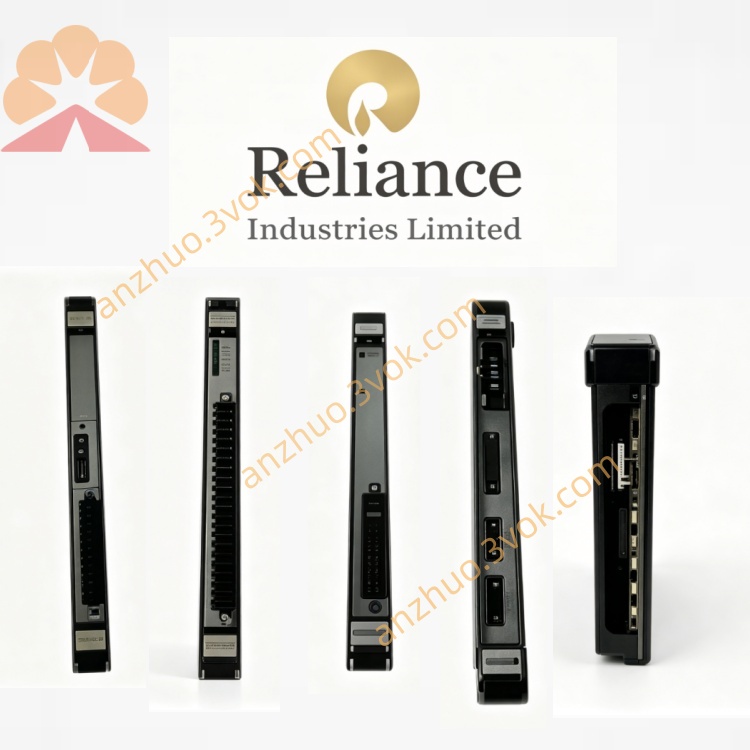
Reliance 57C421 dedicated control mainboard module
The 57C421 is a dedicated control mainboard module manufactured by Reliance Electric, belonging to the 57C series modular automation control product line. It serves as a core processing unit for Reliance’s legacy programmable control systems, designed to coordinate logic operation, signal data exchange and peripheral module scheduling within the rack-based control chassis. This module adopts industrial-grade component layout to adapt to harsh on-site industrial environments, and is widely matched with other 57C series expansion modules to build complete distributed control units for drive and automation equipment.
Description
Product Brief Introduction
The 57C421 is a dedicated control mainboard module manufactured by Reliance Electric, belonging to the 57C series modular automation control product line. It serves as a core processing unit for Reliance’s legacy programmable control systems, designed to coordinate logic operation, signal data exchange and peripheral module scheduling within the rack-based control chassis. This module adopts industrial-grade component layout to adapt to harsh on-site industrial environments, and is widely matched with other 57C series expansion modules to build complete distributed control units for drive and automation equipment.
Model Definition
57C represents the general product series code of Reliance modular control hardware, standing for rack-mounted PLC and system main control module platform. 421 is the unique part identification code of this specific mainboard, distinguishing its internal hardware circuit, processor specification and functional positioning from other modules in the same 57C product family. No suffix characters are attached to the standard 57C421 version, and customized variant products will add extra digital or alphabetic codes after the core model number.
Technical Specifications
It is powered by rack backplane DC power supply with rated input voltage of 5V DC, supporting standard industrial power fluctuation tolerance range. The built-in fixed-bit industrial processor runs at fixed factory preset clock frequency, with onboard solid-state storage for user control program and parameter storage without removable memory card slot. Operating ambient temperature ranges from 0 degree Celsius to 60 degree Celsius, storage temperature covers minus 20 degree Celsius to 70 degree Celsius. Relative humidity working condition is limited between 5 percent and 95 percent non-condensing. It meets basic industrial anti-vibration and anti-electromagnetic interference standards conforming to North American industrial electrical specifications. The module follows standard 57C series single slot installation dimension for system chassis assembly.
Interface and Communication Configuration
All signal and bus connection is completed via chassis backplane gold finger interface, no external terminal wiring terminals reserved on module surface. It uses proprietary Reliance backplane bus protocol to realize high speed data interaction with adjacent I/O modules, power supply modules and communication adapter modules installed on the same rack. No independent onboard fieldbus or serial communication port is equipped, external data transmission needs to cooperate with matching communication expansion modules of the 57C series to access common industrial communication links. Backplane bus realizes real time parameter reading and instruction issuing between the main control unit and peripheral functional modules.
Core Functions
It executes compiled user control logic programs stored in onboard memory to finish automatic sequential control and interlock logic calculation of field equipment. It collects real time operating data from each I/O module mounted on the system backplane, processes and converts collected analog and digital signals into operable internal data. It distributes control output instructions to corresponding peripheral modules according to program operation results to drive on-site actuators and frequency conversion drive equipment. It monitors rack internal operating status of matched modules, generates internal fault flag codes once abnormal power supply or module communication failure occurs inside the system for subsequent fault troubleshooting. It completes system parameter storage and power down data retention for key setting values of the whole control system.
Application Scenarios
Mainly applied in traditional industrial production lines equipped with Reliance variable frequency drive units, including metal processing machinery, continuous material conveying equipment and textile production automation lines. It is configured as core control component for water treatment auxiliary control cabinet, small scale pumping station group linkage control and printing industry automated mechanical equipment. It is also used for transformation and maintenance of old generation production equipment originally equipped with Reliance 57 series control systems in chemical, rubber processing and mining auxiliary control sites, replacing damaged original main control hardware to restore equipment operating performance.
Operation and Maintenance Instructions
Before installation, confirm the rack backplane power supply is completely cut off to avoid plugging the module under live power condition which may cause circuit burnout. Insert the module along chassis guide rail and ensure full contact between backplane gold finger and bus slot. Regularly shut down equipment to clean dust accumulated on module surface and chassis ventilation gap with dry compressed air every three to six months according to on-site dust concentration. Avoid spraying cleaning liquid directly onto module circuit board during maintenance. Check backplane connection tightness periodically when equipment appears intermittent communication failure between modules. Replace the module immediately when persistent system startup fault cannot be eliminated via parameter reset, and store spare modules in dry constant temperature storage environment away from corrosive gas and strong electromagnetic radiation. Do not modify onboard original circuit components without official factory technical authorization to prevent invalidation of module operating stability and original performance parameters.
Get a Quote