
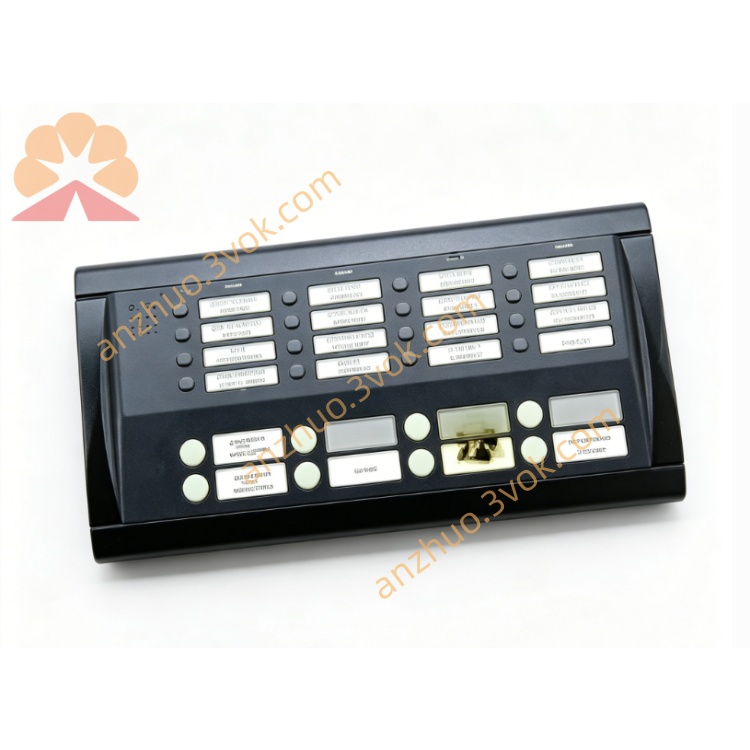
Description
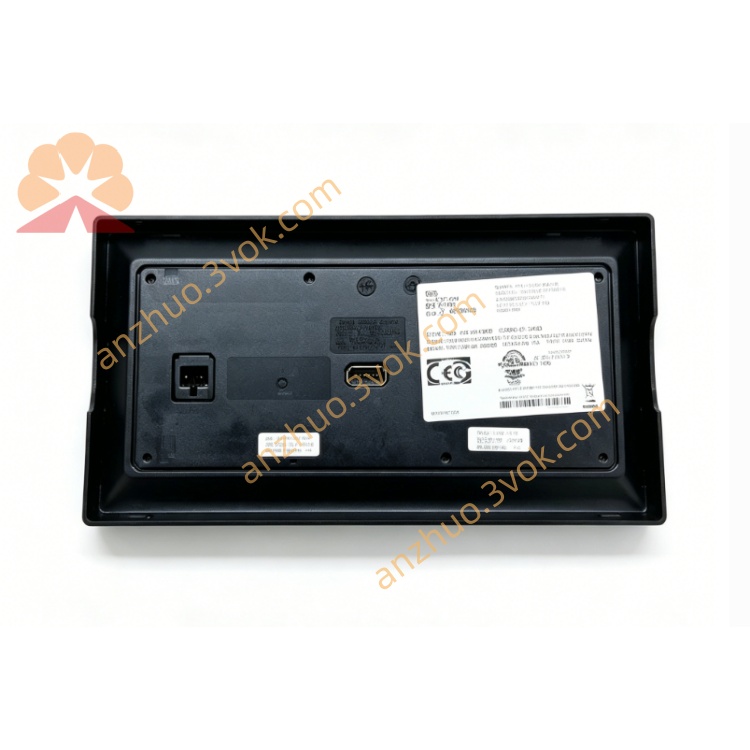
1. Product Overview

Key Features
Ultra-low detection limit: Measures 0–10 ppm trace oxygen (custom ranges available).
Fast response: T90 response time <7 seconds.
High accuracy: ±2% F.S. full-scale precision.
Self-powered: Requires no external power supply; operates independently.
Stable performance: Monthly drift <1% and linearity ±2% F.S.
Robust design: HDPE housing for durability in harsh environments.
2. Technical Specifications
Electrical Parameters
| Parameter | Value |
|---|---|
| Working Principle | Divided-potential electrochemical |
| Output Current | 1295–700 μA (in ambient air) |
| Measurement Range | 0–10 ppm (customizable: 0–10000 ppm) |
| Response Time (T90) | <7 s |
| Accuracy | ±2% F.S. |
| Linearity | ±2% F.S. |
| Monthly Drift | <1% |
| Temperature Coefficient | 3.0%/°C |
| Electrical Interface | Gold-plated concentric rings (inner: negative, outer: positive) |
Mechanical Parameters
| Parameter | Value |
|---|---|
| Housing Material | HDPE (High-Density Polyethylene) |
| Dimensions | Custom (compact form factor) |
| Weight | ~5 g |
Environmental Parameters
| Parameter | Value |
|---|---|
| Operating Temperature | 0–45°C |
| Operating Humidity | 0–99% RH (non-condensing) |
| Operating Pressure | Atmospheric pressure ±20% |
| Expected Lifespan | >2 years (in air) |
| Shelf Life | 12 months (from delivery date) |
3. Application Scope
Industrial Process Control: Nitrogen/hydrogen production, natural gas pipelines, semiconductor manufacturing, and petrochemicals.
Medical Industry: Anesthesia gas monitoring, respiratory equipment, and medical oxygen analyzers.
Gas Separation: Oxygen monitoring in nitrogen/argon separation systems.
Environmental Monitoring: Emission gas analysis and hazardous gas detection.
Safety Equipment: Oxygen alarms, portable gas detectors, and fixed gas monitoring systems.
4. Installation & Operation Guidelines
4.1 Installation
Orientation: Mount the sensor vertically with the gas inlet facing downward to prevent liquid ingress.
Wiring: Connect the inner gold-plated ring to the negative (−) terminal and the outer ring to the positive (+) terminal of the measurement circuit.
Gas Connection: Use a 1/8-inch or 3 mm diameter PTFE tube for gas inlet; maintain a flow rate of 200–500 mL/min (avoid excessive flow to prevent sensor damage).
4.2 Operation
Warm-Up: Allow a 15-minute warm-up after power-on (critical for stable readings).
Calibration:
Zero Calibration: Expose to 100% nitrogen (0 ppm O₂) and adjust the zero offset.
Span Calibration: Expose to a known oxygen concentration (e.g., 10 ppm) and adjust the span gain.
Reading: The sensor outputs a current signal proportional to oxygen concentration; convert to ppm using the calibration curve.
5. Safety & Maintenance
5.1 Safety Precautions
Non-Explosion-Proof: Do not use in flammable/explosive atmospheres.
No Liquid Contact: Avoid exposure to water, oil, or corrosive gases (e.g., Cl₂, SO₂).
ESD Protection: Use anti-static gloves during handling to prevent electrostatic damage.
5.2 Maintenance
Regular Calibration: Perform zero/span calibration every 3–6 months (depending on usage).
Filter Replacement: Replace the inlet filter every 6 months to prevent dust contamination.
Storage: Store in a cool, dry place (10–30°C, 30–70% RH) in sealed packaging; avoid direct sunlight.
6. Troubleshooting
| Issue | Possible Cause | Solution |
|---|---|---|
| No Output | Wiring error or sensor damage | Check wiring; replace sensor if faulty |
| Unstable Readings | Insufficient warm-up or gas flow fluctuation | Warm up for 15 min; stabilize gas flow |
| Slow Response | Contaminated filter or sensor aging | Replace filter; recalibrate or replace sensor |
| Large Drift | Temperature variation or calibration expiration | Compensate for temperature; recalibrate |
7. Manufacturer Information
Brand: ASAIR (Guangzhou Aosong Electronics Co., Ltd.)
Address: No. 10, Kexue Avenue, Science City, Guangzhou, China
Website: www.aosong.com
Support Email: support@aosong.com
Tel: +86-20-3229 8888
Get a Quote