
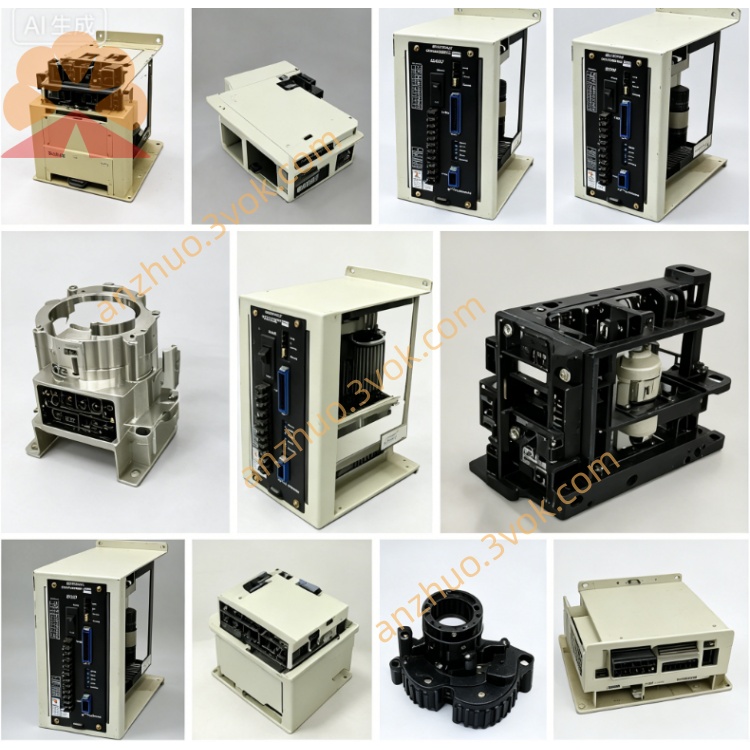
JANCD-G5CO1B
Description
Technical Specifications
Model: JANCD-G5C01B (G5C01B)
Applicable system: YASNAC G5 series (2000G/3000G upgrade platform)
Power supply: Backplane DC24V, power consumption approximately 25W
Interface configuration:
Ethernet: 100Base-TX (1 port, upper computer / DNC)
Serial: 1 path each for RS-232/422/485
Bus: G5 dedicated I/O Link (connects G1R series remote I/O)
Expansion: Reserved 1 communication sub-board slot
Protocol support: TCP/IP, Modbus RTU, Yaskawa I/O Link
Environment: 0–55℃, humidity 10%–90% (no condensation)
Structure: 3U standard board card, metal shielding enclosure Core function
System communication hub: Manages data interaction between CNC and external devices (PLC, HMI, upper computer, remote I/O).
DNC networking: Ethernet enables program upload/download, remote monitoring, and data collection.
I/O master station: Connects G1R01/G1R02/G1R04 remote I/O modules through dedicated bus, expanding I/O points.
Protocol conversion: Serial ports support communication with external devices such as third-party instruments, printers, barcode scanners, etc.
Installation and maintenance
Installation: Vertically install in 3U slot, leaving 50mm space for heat dissipation, and ensure reliable grounding of the enclosure.
Maintenance: Regularly blow away dust, check the tightness of interfaces; observe the status of communication indicators; troubleshoot wiring and protocol parameters when abnormalities occur.
Common faults
Ethernet not working: Damaged network cable / interface, IP conflict, incorrect network parameters.
Remote I/O disconnection: Loose bus connector, missing terminal resistor, power-off of slave station module.
Serial port garbled characters: Mismatched baud rate / parity bit, poor grounding, excessive interference.
Get a Quote