
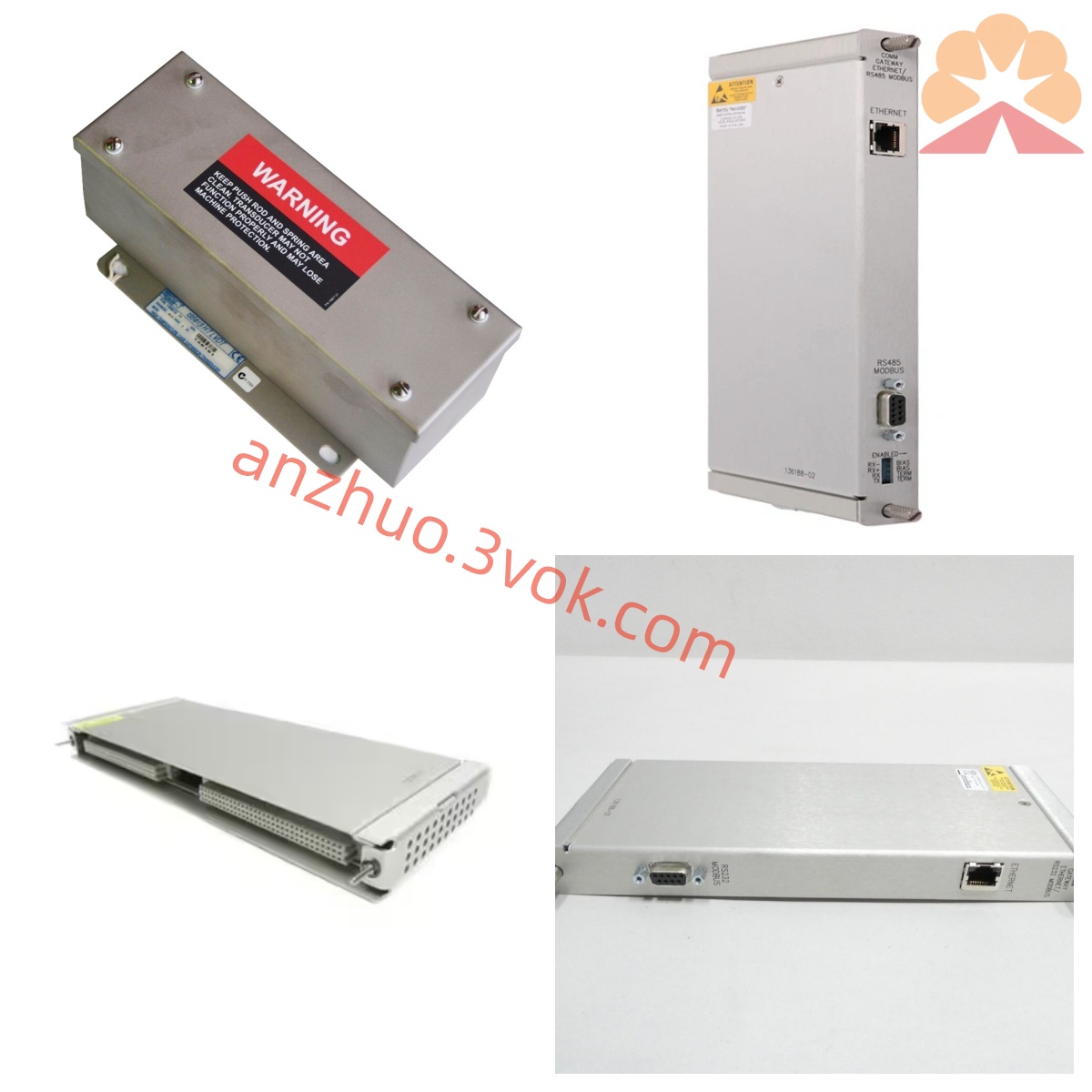
Bentley Nevada 72626-22 Eddy Current Probe Extension Cable
Description
II. Technical Specifications
Electrical Parameters
Power Supply: -17.5VDC to -26VDC, standard supply - 24VDC
Operating Current: ≤ 150mA
Input Type: Dual-channel PT100 platinum resistance, K/S type thermocouple
Temperature Measurement Range: Platinum Resistance - 200℃ to 600℃, K-type Thermocouple - 200℃ to 1300℃
Measurement Accuracy: Platinum Resistance ±0.1℃, Thermocouple ±0.5℃
Output Specifications: 4-20mA Analog Signal, accompanied by relay alarm contacts
Environment and Structure
Installation Form: Standard DIN rail cabinet installation
Operating Temperature: -20℃ to 60℃
Storage Temperature: -40℃ to 85℃
Protection Grade: IP30
Suitable for industrial environments with multiple dust and regular vibration conditions
III. Installation and Wiring Installation Requirements
The module is installed in the cabinet rail and locked in place. The installation position is far away from strong interference equipment such as motors and frequency converters, and the lines are arranged separately to avoid power cables.
** Wiring Instructions
Power Input - 24VDC voltage and system ground wire; two temperature sensors are respectively connected to the channel terminals, distinguishing between the positive and negative poles of three-wire resistance and thermocouple; the analog output terminal is connected to the back-end control system, and the alarm contacts are connected to the external alarm circuit.
Power On Verification
After wiring is completed, check for incorrect or loose connections, and test the insulation performance to ensure it meets the standard. Only then can the power be turned on for debugging.
V. Maintenance and Care
Daily Inspection
Check that the module appearance is intact without corrosion or oil stains, the display values are stable without abnormal jumps, and the connection terminals are tightened without loosening.
Regular Maintenance
Clean the surface dust regularly, and monthly test the power supply voltage within the standard range; every six months calibrate the temperature measurement accuracy and signal output, and verify the effectiveness of the alarm action.
Prohibited Use
Do not plug or unplug sensor cables while powered on. Do not mix different types of temperature measurement elements; prevent water and oil from entering, and store idle equipment in a dry environment.
VI. Fault Diagnosis
No Temperature Display
Mostly due to broken or short-circuited sensors, misaligned connections, or damaged input circuit of the module. Check the circuit continuity, connection arrangement, and replace the intact components to test and determine the fault point.
Abnormal Temperature Value Fluctuation
Check for electromagnetic interference, loose probe fixation, damaged shielding layer of the lines, and incorrect grounding. Regularize the wiring and reinforce the installation points.
Alarm Function Failure
Check the alarm threshold parameter settings, test the relay contact state, re-set the parameters if abnormal, and replace the module components if the hardware is damaged.
Get a Quote