
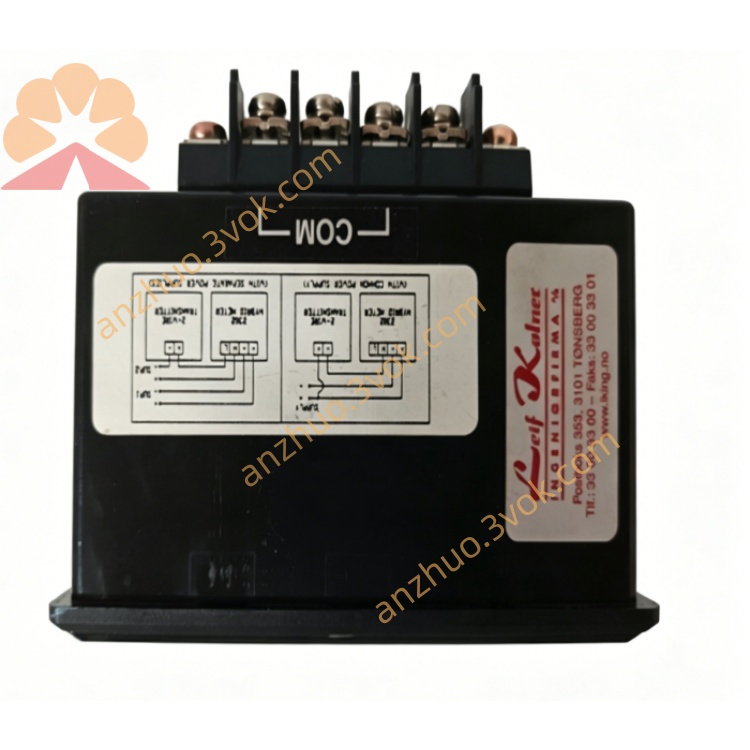
Yokogawa CS3000 DCS Central Processing Unit Module
Description
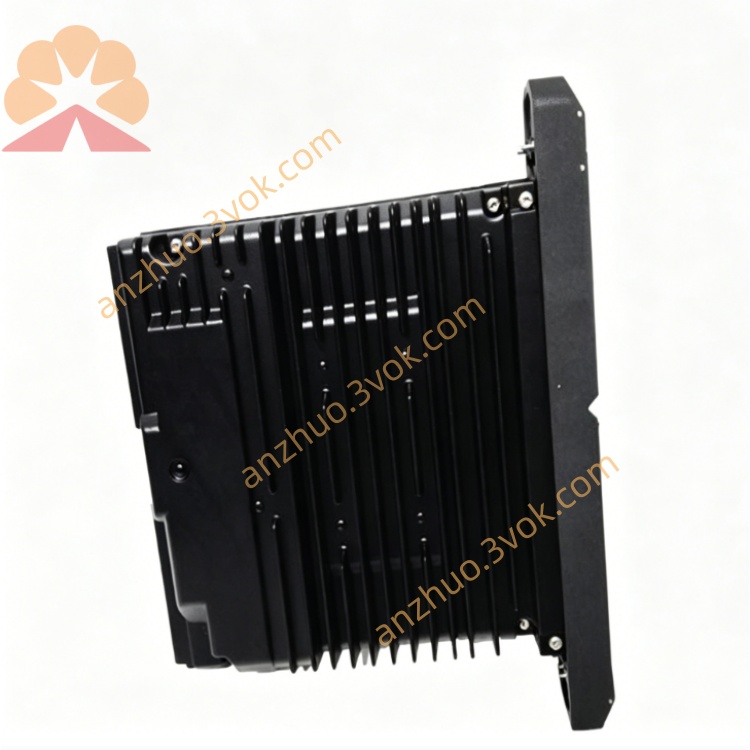
2. Main CPU Models
CP451-10/51
Processor: 32-bit RISC, 400 MHz
Memory: 128 MB ECC RAM (battery-backed, 72-hour data retention)
Application: Standard FCS for small-to-medium control loops.
CP461-50 S1
Processor: High-performance 32-bit RISC
Memory: 128 MB ECC RAM
Application: Large-scale plants with complex control strategies; supports up to 3,000 function blocks.
CP471-00 S1
Processor: Proprietary high-speed RISC
Communication: Optimized for Vnet/IP and Ethernet data handling
Compatibility: CS3000 R3 and later; 1:1 redundant support.
CP701/S1
Processor: 64-bit RISC (VR5432 or equivalent)
Memory: Up to 256 MB ECC RAM
Application: High-end FCS, compatible with CS3000 and CENTUM VP systems; advanced control (e.g., multivariable control).
VC401-10
Processor: 32-bit RISC
Program Memory: 1 MB
I/O Capacity: Up to 640 I/O tags per FCS
Redundancy: Synchronous hot-standby, failover <100 ms.
3. Core Specifications
Processing & Performance
Architecture: 32-bit/64-bit RISC; 64-bit floating-point arithmetic support.
Control Cycle: Minimum 50 ms (deterministic scan).
Execution Speed: ~0.1 ms per 1,000 instructions (typical).
Function Blocks: Up to 3,000 (model-dependent).
Memory
Type: ECC (Error-Correcting Code) RAM; battery-backed SRAM.
Capacity: 16 MB–256 MB (model-dependent).
Data Retention: 72 hours (battery backup, no power).
Communication Interfaces
Vnet/IP: Redundant control network (1 Gbps); connects FCS to HIS/ENG.
Ethernet: 10/100 Mbps; for engineering, HMI, and plant network integration.
ESB/RIO Bus: Internal I/O bus; connects to local/remote I/O modules.
Serial Ports: Optional RS-232/485 for third-party device communication.
Environmental & Electrical
Operating Temperature: 0°C to +50°C (standard); -20°C to +60°C (extended, VC401-10).
Humidity: 20%–80% RH (non-condensing).
Power Supply: 24 VDC (backplane-fed, redundant power units).
Certifications: IEC 61508 SIL 2, CE, UL, CSA.
4. 4-CPU Redundancy (Pair & Spare)
Architecture: Two CPU modules (left/right), each with 2 independent CPUs; 4 CPUs operate in synchronous lockstep.
Operation:
All I/O data is fed to both CPU pairs simultaneously.
Each pair’s two CPUs execute identical logic and cross-compare results.
If results match, the pair outputs control commands; if mismatched, the other pair validates data to eliminate transient errors.
On failure of one pair, the standby pair takes over seamlessly (<100 ms) with zero output disruption.
Benefits: Tolerates both hardware faults and electromagnetic interference; “zero-downtime” continuous control.
5. Key Functions
Real-Time Control
Analog PID, sequential logic, batch control, and advanced algorithms (e.g., model predictive control).
Deterministic 50 ms scan for critical loops.
Data Processing
I/O signal acquisition (analog/digital); alarm/event logging; historical data buffering.
Trend calculation and data exchange with HIS/ENG via Vnet/IP.
Redundancy & Synchronization
Real-time data mirroring between redundant CPUs (20 ms update interval).
Automatic failover with no loss of control or data.
Online Maintenance
Online 组态 (configuration changes), parameter tuning, and hot-swap of CPU/I/O modules without process shutdown.
LED status indicators (POWER, RUN, RDY, ERR, COM) for diagnostics.
Get a Quote