
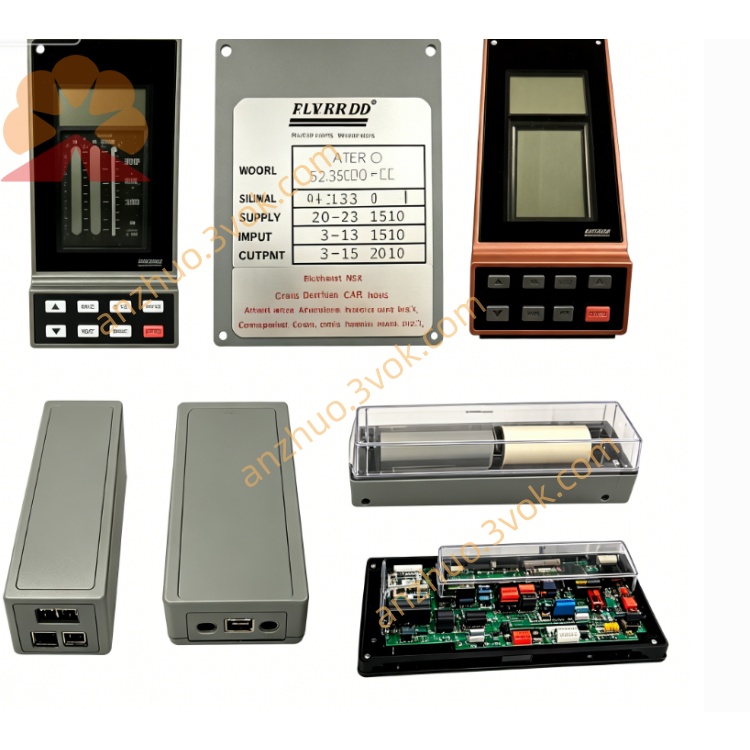
Foxboro P0914QC High Density Isolated Analog Input Terminal Module I/A DCS Inquiry Product
Description
Foxboro P0914QC Operation Manual
3.1 Core Technical Specifications
Measured Signal: Standard 4–20mA two-wire transmitter analog signal
Channel Layout: High-density independent measurement loops
Galvanic Isolation: Reinforced per-channel optoelectronic galvanic isolation
Interference & Surge Protection: 8-stage full-spectrum composite EMI filter + ultra-high energy transient lightning surge absorption
Harsh-Environment Special Hardware: Built-in -30°C low-temperature preheating circuit, thick heavy-duty anti-salt-fog PCB conformal coating
Exclusive Upgraded Circuits: Long-term signal drift compensation, fast-response high-precision zero/span calibration trimming circuit (QC unique upgrade), ultra-low power loss low self-heating power supply
Loop Power Supply: Built-in galvanically isolated 24VDC power supply for field transmitters
Module Operating Power: 24VDC DC input from DCS rack bus, ultra-low power dissipation
Ambient Operating Range: Operating temperature -30°C ~ +65°C; storage temperature -40°C ~ +75°C; relative humidity 10%–98% RH non-condensing
Safety Certification: Class I Division 2 Intrinsic Safety; Protection Class IP20
Mounting: Standard 35mm DIN rail high-density snap-in installation
System Compatibility: Fully compatible with all Foxboro FBM analog input fieldbus modules
Diagnostic LED Indicators: Power, Run, Preheat Status, Global Fault, independent single-channel status lights
Maintenance Feature: Hot-swap supported without powering off the entire DCS rack
3.2 Standard Installation Procedures
Mount standard 35mm DIN rail inside fully sealed industrial DCS cabinet; reserve a minimum 4cm ventilation gap around each module and extra spacing between adjacent modules for heat dissipation under dense layout. This module fits coastal salt-fog, offshore unheated and sub-zero cold cabinets; continuous forced cooling or cabinet air conditioning is mandatory if ambient temperature exceeds 60°C.
Lock the elastic buckle at the module bottom firmly onto DIN rail; multiple modules can be installed side-by-side without obvious analog signal crosstalk.
Wiring sequence: Connect rack 24VDC operating power cable to dedicated power terminals strictly following positive/negative polarity; connect field two-wire transmitters to numbered high-density field-side terminals; connect system-side signal cables to matched FBM analog input modules. Only original Foxboro certified anti-corrosion shielded analog signal cables are permitted for harsh-site wiring.
Pre-power inspection: Check tightness of all terminal wiring, remove exposed wire cores, inter-channel short-circuit risks and metal debris inside terminal blocks before energization. Verify preheating circuit wiring integrity for low-temperature working sites.
Power-on commissioning: Energize the whole Foxboro I/A DCS rack, confirm solid green Power LED, slow flashing Run LED and activated Preheat indicator below 0°C. Complete full-channel 4–20mA signal verification, full-spectrum EMI simulation test, ultra-high lightning surge withstand test, low-temperature cold start test, long-term zero drift stability test and fast high-precision calibration trimming test before formal process operation.
3.3 Common Fault Diagnosis & Troubleshooting
Power LED off: DCS rack 24VDC power failure, loose power terminals or burnout of internal low-power/preheating circuit.
Amber Fault LED continuous flash: Single-channel transmitter open circuit, field signal cable short circuit or insufficient loop power supply.
Red Fault LED steady on: Multi-channel simultaneous short circuit, damage of internal isolation/filter/surge/drift compensation/calibration/preheating chips or corrupted module firmware.
Preheat indicator unlit below 0°C: Preheating circuit fuse blown or preheating component failure.
Minor signal jitter under heavy full-frequency interference: On-site EMI intensity exceeds suppression limit of built-in 8-stage composite filter.
Slow long-term zero drift: Aging of drift compensation components or loose terminal wiring contact.
Insensitive or slow calibration adjustment: Salt mist/dust covering calibration trimming circuit or trimming hardware failure.
Severe measurement drift above +65°C: Cabinet cooling system breakdown exceeding maximum operating temperature limit.
Periodic signal disturbance from nearby lightning strikes: Lightning energy exceeds built-in surge circuit withstand capacity; install external signal lightning arresters additionally.
3.4 Mandatory Safety Precautions
Cut off full rack 24VDC power before wiring, disassembly, calibration trimming and maintenance. Hot-swap is available, but power-off maintenance is strongly recommended to prevent analog signal surges triggering false process interlock of the DCS system.
For offshore and coastal salt-fog sites, conduct monthly cabinet dehumidification and salt dust cleaning for module terminals to extend service life.
Long-term ambient temperature above +65°C will cause permanent irreversible burnout of internal precision circuits including isolation, filter, surge protection, drift compensation, calibration and preheating assemblies; ensure cabinet cooling equipment runs continuously and stably.
Unauthorized disassembly of module housing and internal precision circuit components voids the official factory warranty.
Use anti-static, heavy shockproof and anti-corrosion special packaging during transportation and offshore storage to protect fragile internal signal processing and preheating chips.
4. Application Fields
Offshore oil & gas platform DCS control cabinets with year-round salt fog corrosion, sub-zero winter temperature, frequent lightning surges and regular high-precision instrument calibration cycles
Coastal petrochemical, chemical synthesis and seawater desalination plant process monitoring cabinets with heavy salt mist erosion, massive variable frequency drive EMI and periodic loop calibration management
Frigid inland thermal power plants, natural gas compressor stations and mining DCS systems operating under long-term sub-zero ambient temperature with strict long-term calibration stability standards
Heavy manufacturing workshops equipped with numerous high-power frequency converters, severe full-spectrum electromagnetic interference and frequent lightning induction pulses
Large tropical coastal municipal wastewater and chemical waste treatment plants with corrosive volatile vapor, round-the-clock unattended continuous operation and routine transmitter calibration
High-end critical indoor industrial DCS projects requiring ultra-high measurement stability, strong anti-interference performance, wide temperature adaptability and fast high-precision on-site calibration
Get a Quote