
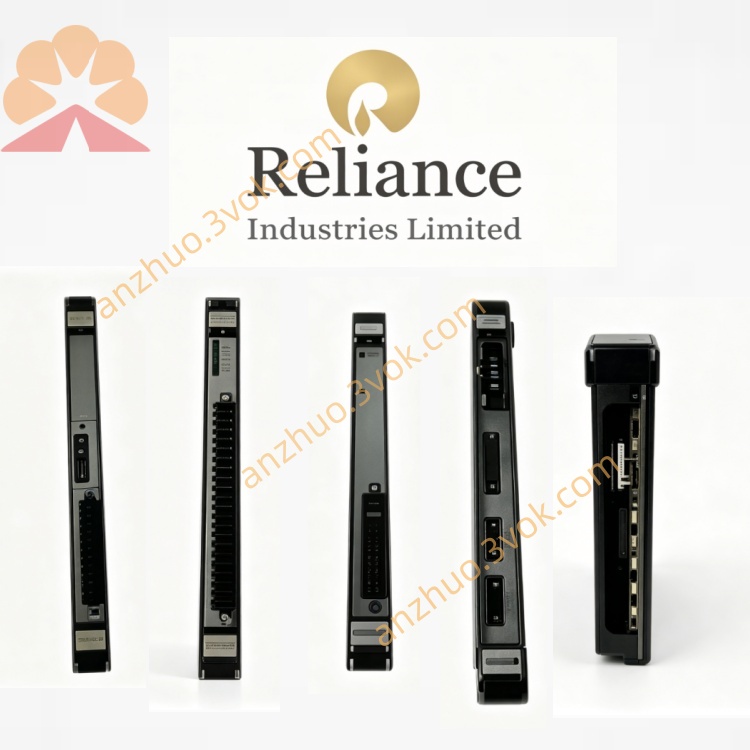
RELIANCE 61C599 rack-mounted special communication interface module
61C599 belongs to Reliance AutoMax 61C series rack-mounted special communication interface module, dedicated for drive system linkage communication between AutoMax PLC and field AC/DC variable frequency drives. Original production has been discontinued permanently. Available market supplies include unused original surplus stock and fully inspected refurbished units for spare replacement and old automation system retrofitting in metallurgy, papermaking and mining industries.
Description
Product Introduction
61C599 belongs to Reliance AutoMax 61C series rack-mounted special communication interface module, dedicated for drive system linkage communication between AutoMax PLC and field AC/DC variable frequency drives. Original production has been discontinued permanently. Available market supplies include unused original surplus stock and fully inspected refurbished units for spare replacement and old automation system retrofitting in metallurgy, papermaking and mining industries.
Model Definition
61C represents unified series coding of Reliance AutoMate/AutoMax rack I/O product line. Numeral 599 stands for exclusive drive communication board specification designed for driver fiber and serial bus docking, no alphabet suffix version for this model, unified hardware layout compatible with standard 61C series rack installation size.
Technical Specifications
Designed with dual communication circuit structure including fiber optic channel and isolated serial transmission channel. Fiber interface conforms to industrial optical link standard for long-distance anti-interference drive data interaction, serial port features 2500VAC isolation withstand voltage between field side and internal backplane bus. Operating ambient temperature ranges from -20℃ to +55℃, storage temperature covers -40℃~+85℃, working humidity 5%~95% non-condensing. Module operating power is fully supplied via rack backplane bus without external auxiliary power. Supports real-time transmission of motor speed feedback, fault code, running current and voltage data between main controller and SA/SD series Reliance drives, compatible with mainstream drive models of original Reliance DPS control system.
Interface and Communication Configuration
Rear side adopts proprietary gold-plated backplane connector to plug into AutoMax system rack, exchanging internal control data with rack CPU through exclusive backplane bus protocol. Front panel is equipped with dedicated fiber wiring port and detachable screw terminal block for serial signal wiring, three independent LED indicators separately display RUN status, fiber communication status and serial link status. No universal Modbus or RS485 external expansion port, all upper computer data exchange relies on rack internal bus transmission.
Core Functions
Acts as data gateway between AutoMax main control unit and field variable speed drives, converting internal rack bus protocol into dedicated drive communication protocol for bidirectional data transmission. Real-time upload drive operating parameters, fault alarm information and motor feedback signals to PLC, download speed command, start-stop instruction and parameter modification data from upper controller to connected drives. Built-in communication error self-diagnosis function, automatically upload link abnormal fault flag to control system once fiber break or serial wiring failure occurs, supporting online hot swap within allowed system power-on specification.
Application Scenarios
Mainly deployed on production lines equipped with Reliance original DC and AC variable speed drives, including papermaking rolling unit drive control, metallurgical rolling mill transmission system, mining conveyor and large fan pump variable frequency control cabinet. Widely used as replacement spare part for aging AutoMax control cabinet transformation projects with multi-drive centralized control configuration.
Operation and Maintenance Instructions
Cut off the whole rack power supply and wait more than 15 minutes for internal capacitance residual electricity discharge before module plugging, removal or terminal wiring modification. Conduct quarterly routine maintenance: clean fiber port dust with dedicated fiber cleaning swab, fasten terminal fixing screws and check connector pin oxidation. When communication indicator keeps flashing abnormally, inspect external fiber cable and drive side communication terminal firstly to eliminate peripheral circuit fault before module replacement. Avoid overvoltage surge input on serial terminals to prevent internal communication chip burnout, regularly check fiber bending radian to prevent optical core fracture during long-term running.
Get a Quote