
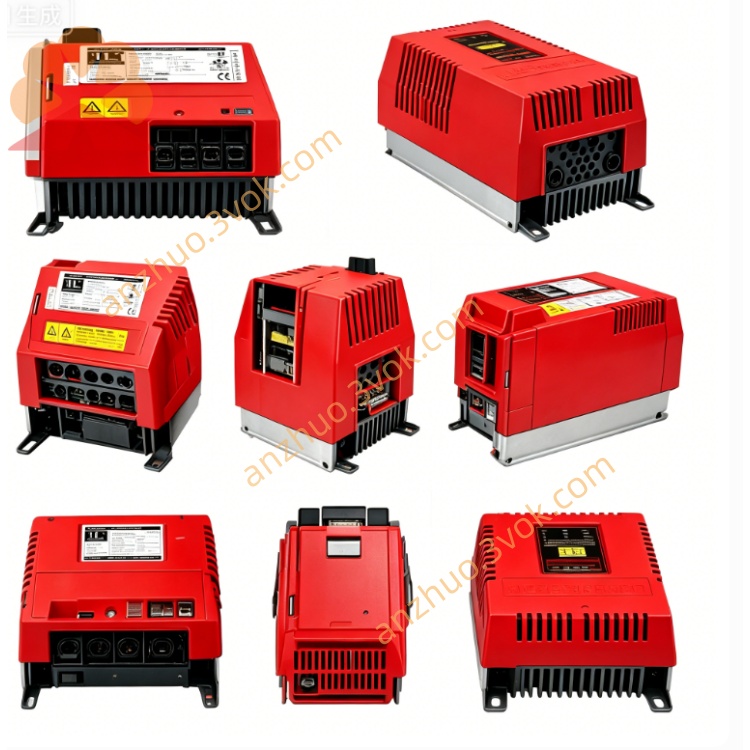
SEW DFS56H/TF/RH1M/KK Synchronous Servo Motor
Description
1. General Information
1.1 Product Overview
1.2 Model Code Definition
DFS56H: Synchronous servo motor, frame size 56, flange‑mounted, terminal box version, H = standard shaft.
TF: Thermistor (PTC) winding temperature protection.
RH1M: Resolver (1‑speed, medium‑resolution) feedback, M16×1.5 connector.
KK: Connector kit / standard electrical interface (power + signal).
1.3 Safety Instructions
Installation, commissioning, and maintenance must be performed by qualified electrical/mechanical personnel.
Disconnect all power before mounting, wiring, or servicing.
The motor contains permanent magnets; keep away from magnetic media and sensitive equipment.
Do not exceed rated voltage, current, or torque.
Protect from heavy impact, corrosive atmospheres, and excessive dust.
IP65 protection (standard) for dust and splash resistance.
2. Technical Specifications
2.1 Electrical & Mechanical Data
Type: 3‑phase synchronous servo motor (permanent magnet)
Frame size: 56
Rated power: ~0.4–0.75 kW (depending on winding)
Rated torque: ~1.9–2.4 Nm
Rated speed: 3000 rpm
Max speed: 6000 rpm
Voltage: 400 VAC (3‑phase)
Feedback: Resolver RH1M
Thermal protection: TF (PTC thermistor)
Protection class: IP65
Shaft: Ø14 mm, keyed
Flange: B5 (IEC 56)
Weight: ~4.5 kg
Ambient temperature: ‑10 °C to +40 °C
Storage temperature: ‑25 °C to +40 °C
3. Installation
3.1 Mechanical Mounting
Mount on a flat, rigid surface; use all flange bolts (M5) and tighten securely.
Ensure no radial/axial overload on the shaft; use flexible couplings.
Allow 100 mm clearance around the motor for cooling and cable bending.
3.2 Electrical Connection
Use shielded cables for power and feedback (EMC compliance).
TF thermistor: Connect to drive thermal monitoring (PTC, ~1 kΩ at 25 °C).
RH1M resolver: Connect to resolver interface (e.g., MOVIDRIVE® MDX61B).
Ground the motor housing properly.
4. Operation
4.1 Commissioning
Perform no‑load run for 5–10 minutes; check for unusual noise, vibration, or temperature rise.
Verify resolver feedback and thermal protection wiring.
Apply load gradually; monitor current and temperature.
4.2 Operating Guidelines
Operate within rated speed/torque; avoid continuous stall.
Max winding temperature: +155 °C (PTC trip).
Avoid frequent heavy start‑stops.
5. Maintenance
Lifetime grease lubrication (bearings); no regular oiling required.
Every 6 months:
Check mounting bolts and cable connections.
Clean cooling surfaces (dry air only; no high‑pressure water).
Inspect shaft seal for leaks.
Resolver is maintenance‑free.
6. Troubleshooting
No rotation: Power loss, wiring error, or drive inhibit.
Overtemp (TF): Overload, blocked ventilation, or PTC short.
Position error: Resolver wiring fault, loose coupling, or mechanical jam.
Vibration/noise: Misalignment, loose bolts, or bearing wear.
Get a Quote