
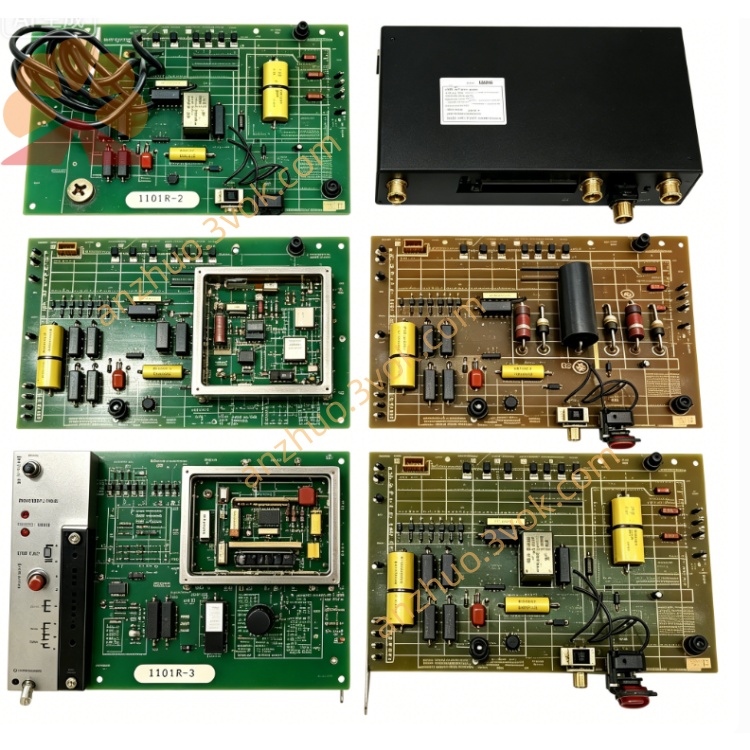
Reliance Electric 15P4171
Description
Product Description
Model Number Interpretation
15 – Rated power: 15HP (11kW) at 460VAC
P – Series code: MaxPak Plus, analog control, two‑quadrant
4171 – Configuration code: 460VAC, three‑phase, standard build
Technical Specifications
Input Power: Three‑phase AC, 460VAC ±10%, 50/60Hz
Armature Output: 0–500VDC, maximum continuous 27A
Field Output: 0–300VDC, maximum 10A
Power Rating: 15HP (11kW) @ 460VAC; 7.5HP (5.6kW) @ 230VAC
Control Modes: Open‑loop voltage control, closed‑loop speed control (tachometer feedback)
Control Characteristics: Two‑quadrant operation (non‑regenerative), speed range 50:1 (analog)
Protection Features: Overcurrent, overvoltage, undervoltage, overtemperature, short circuit, ground fault, field loss
Reference Signals: 0–10VDC, 4–20mA, potentiometer
Ambient Conditions: 0–45°C, 5–95%RH (non‑condensing)
Mounting: Wall‑mounted or floor‑standing (vertical installation)
Weight: Approximately 43kg (95lbs)
Interface and Communication Configuration
Power Terminals: L1/L2/L3 (three‑phase input), A+/A– (armature output), F+/F– (field output), PE (protective earth)
Control Terminals: Start/stop, forward/reverse, 0–10VDC / 4–20mA speed reference, tachometer feedback, fault reset, emergency stop
Communication: No standard communication port (analog‑only design); no RS‑232/485 or fieldbus interfaces supported
Core Functions
Analog Speed Regulation – Traditional phase‑angle control with simple, robust circuitry for reliable operation in harsh industrial environments.
High Torque Capability – 15HP heavy‑duty performance with strong starting and low‑speed torque, suitable for constant‑torque loads.
Cost‑Effective Two‑Quadrant Design – Non‑regenerative operation reduces cost compared to four‑quadrant regenerative drives, ideal for applications without overhauling loads.
Basic Fault Protection – Comprehensive protective functions ensure safe shutdown and safeguard both drive and motor during abnormal conditions.
Closed‑Loop Speed Stability – Optional tachometer feedback improves speed accuracy and reduces drift under varying loads.
Application Scenarios
General‑Purpose Machinery: Lathes, milling machines, grinders, drill presses (15HP medium‑duty loads)
Material Handling: Conveyors, bucket elevators, small cranes
Process Industry: Mixers, fans, pumps, extruders requiring variable speed
Legacy System Modernization: Direct replacement for older MaxPak Plus 15HP drives in existing plants
Usage and Maintenance Instructions
Installation: Mount vertically in a clean, dry, well‑ventilated cabinet; allow sufficient clearance for airflow and cooling.
Wiring: Use properly rated copper conductors; isolate power and control wiring to minimize noise; verify correct connection of armature, field, and feedback signals before power‑up.
Startup: Perform a visual inspection, check for loose connections, verify supply voltage matches nameplate rating; start with no load and gradually apply load while monitoring current and temperature.
Maintenance: Keep enclosure clean and free of dust; check cooling fans and heat sinks periodically; inspect wiring and terminals for signs of overheating or corrosion; replace worn components as needed.
Troubleshooting: Use onboard LEDs and fault indicators to diagnose common issues such as overcurrent, overheating, or field loss; isolate and correct faults before restarting the drive.
Get a Quote