
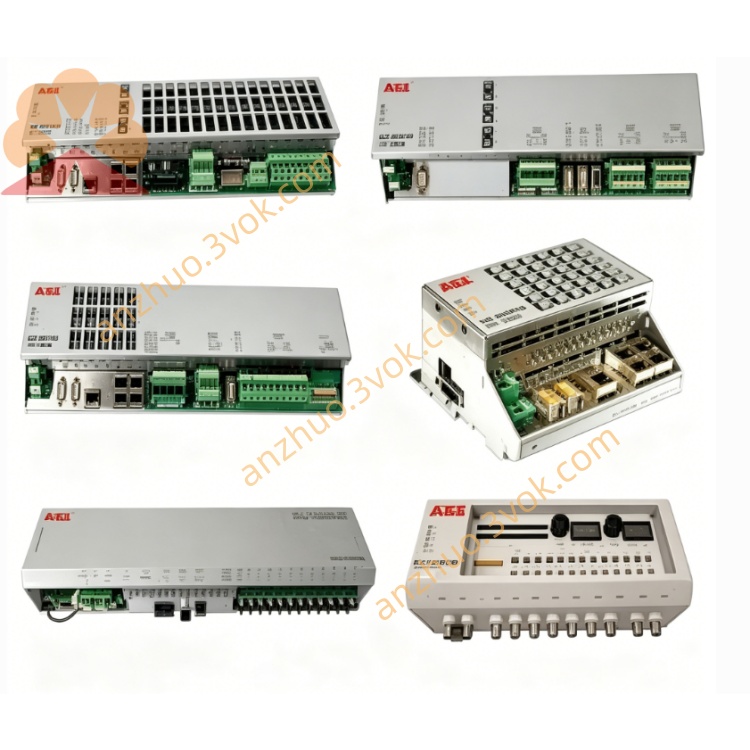
ABB 1SAP210400R0001 (TU504-FBP) spring‑type FBP terminal unit
Description
Product Introduction
Model Explanation
Technical Parameters
Power Supply: 24 V DC
Terminal Type: Spring‑type (tool‑free)
I/O Interface: M12 FBP connector, 16‑pin spring terminal block
Protection Degree: IP20
Operating Temperature: 0 °C to +60 °C
Storage Temperature: -40 °C to +70 °C
Weight: Approx. 0.20 kg
Mounting: Standard DIN rail
Certification: CE, RoHS compliant
Compatibility: AC500 V2/V3 PLCs, S500 FBP interface modules
Interface and Communication Configuration
Core Functions
Provides compact mechanical mounting and electrical termination for S500 FBP interface modules.
Uses spring terminals for fast, tool‑free field wiring to improve installation efficiency.
Supports hot‑swap of FBP modules during operation, minimizing system downtime.
Distributes 24 V DC power and signals stably to peripheral sensors and actuators.
Delivers electrical isolation and vibration resistance for harsh industrial conditions.
Enables space‑saving integration into AC500‑based control systems.
Application Scenarios
Industrial automation systems using ABB AC500 PLC and S500 distributed I/O.
Compact machinery, small production lines, and panel‑mounted applications requiring space‑saving design.
Building automation, HVAC, and light process control systems.
Distributed control networks with FBP interfaces for machine‑to‑machine communication.
New project deployment and legacy system retrofits with limited cabinet space.
Usage and Maintenance Instructions
Mount on standard DIN rail in a ventilated control cabinet, avoiding direct sunlight and moisture.
Connect 24 V DC power to designated terminals, ensuring correct polarity.
Insert the FBP interface module into the TU504-FBP base and secure it.
Wire field devices to spring terminals per the module’s pin assignment, ensuring proper insertion.
Inspect terminal connections and connector integrity regularly; clean dust buildup periodically.
Use only compatible FBP modules; avoid excessive force on spring terminals to prevent damage.
In case of faults, check power supply and module connections first; replace damaged modules as needed.
Get a Quote