
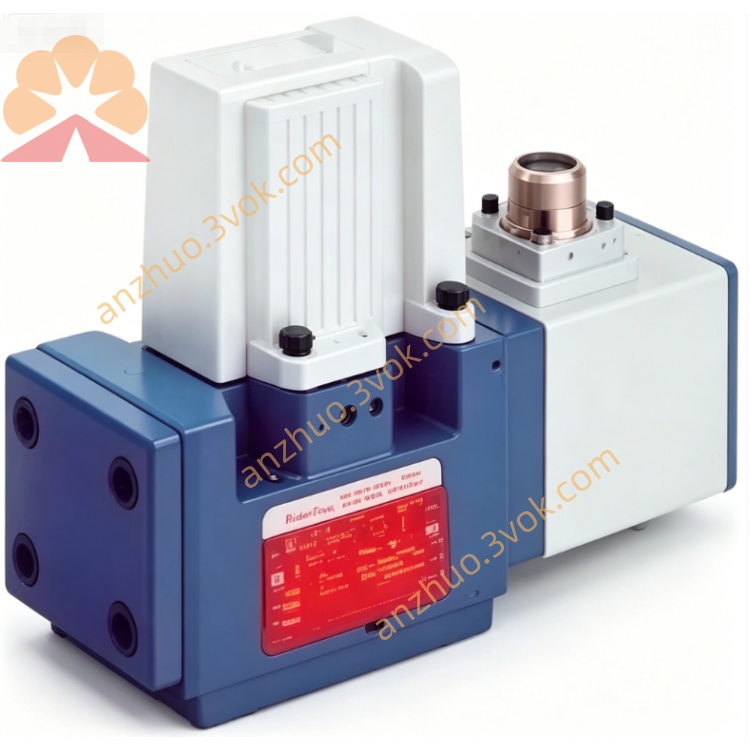
MOOG 760F103A Two-Stage Nozzle-Flapper Servo Valve
Description
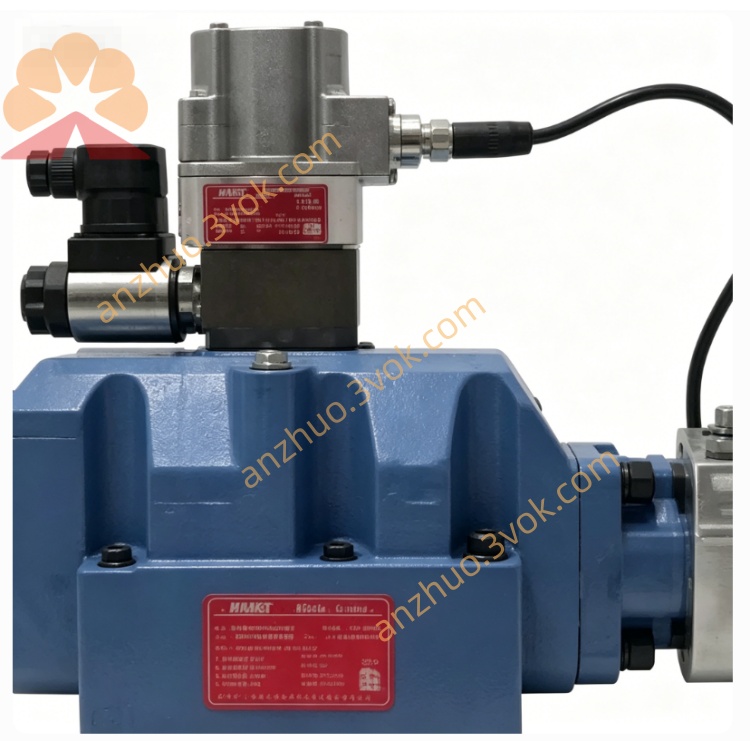
1.1 Description
1.2 Key Applications
Spatial resolution testing (2–20 LP/mm)
Low‑contrast sensitivity evaluation
Beam uniformity and artifact inspection
Geometric distortion and alignment verification
Mammography system calibration & ACR compliance checks
2. Safety Precautions
Warning: For professional use only by qualified medical physics or radiology personnel.
Follow facility radiation safety protocols; avoid excessive X‑ray exposure.
Keep phantom clean and dry; avoid physical damage to test patterns.
Comply with IEC 61223, FDA, and local regulatory standards.
3. Specifications
| Parameter | Value |
|---|---|
| Material | Radiopaque/radiolucent medical‑grade polymer |
| Test Patterns | Line pairs (2–20 LP/mm), low‑contrast bars, alignment markers |
| Dimensions (L×W×H) | 22 cm × 18 cm × 3.0 cm |
| Weight | ~1.5 kg |
| Operating Temperature | 15–35°C |
| Storage Temperature | -10–50°C |
| Compatibility | X‑ray, fluoroscopy, mammography (2D imaging) |
4. Operating Instructions
4.1 Setup
Place the phantom centered on the patient table or cassette holder.
Align the phantom’s reference marks with the X‑ray central ray.
Set exposure parameters (kVp, mAs, SID) per your facility’s QA protocol.
4.2 Test Procedures
4.2.1 Spatial Resolution
Expose the high‑resolution line‑pair grid (2–20 LP/mm).
Determine the smallest resolvable line pair (record LP/mm value).
4.2.2 Contrast Sensitivity
Image the low‑contrast bar targets (varying thickness/density).
Identify the thinnest visible bar to assess contrast detection capability.
4.2.3 Uniformity & Artifact Check
Inspect the image for uneven density, noise, or artifacts (e.g., grid lines, scratches).
Verify the phantom’s background is uniformly exposed.
4.2.4 Geometric Accuracy
Measure distances between alignment markers to confirm geometric distortion is within tolerance.
5. Maintenance & Storage
Cleaning: Wipe surface with mild, non‑abrasive disinfectant; avoid harsh chemicals.
Storage: Store in a dry, dust‑free case at room temperature (15–30°C).
Inspection: Check for cracks, scratches, or discoloration quarterly; replace if damaged.
Calibration: Annual recalibration recommended (NVLAP‑accredited lab).
6. Warranty & Support
Warranty: 2‑year limited warranty against defects in materials and workmanship.
Contact: Fluke Biomedical | Cleveland, OH | +1‑440‑498‑2564 | www.flukebiomedical.com
Get a Quote