1. Product Introduction
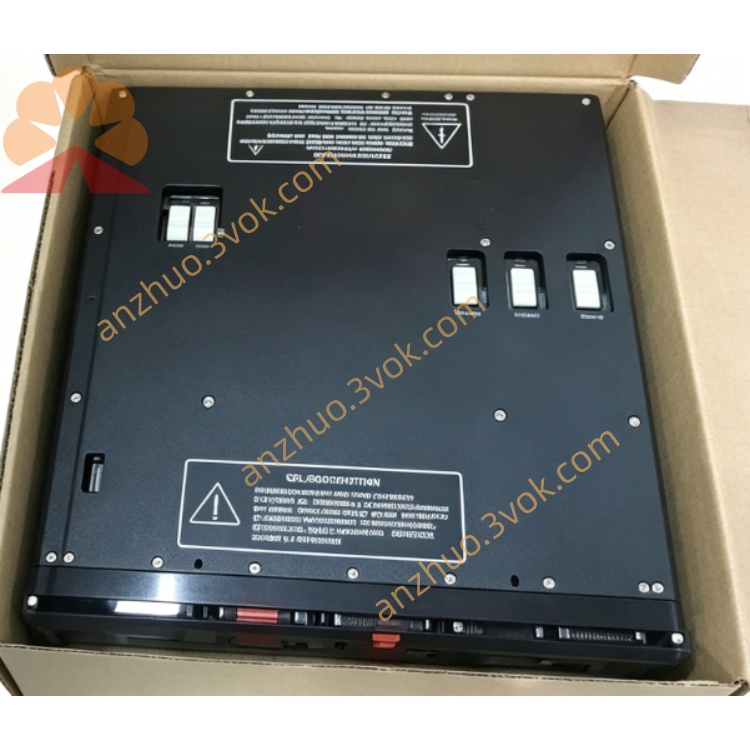
TRICONEX 4118 is the first-generation Enhanced Intelligent Communication Module (EICM) of the Tricon TMR triple modular redundant safety instrument system under Schneider Electric, serving as a multi-channel serial communication expansion card dedicated to Tricon SIS racks. It is the predecessor model of 4119 and upgraded 4119A, adopting complete three-channel redundant internal communication hardware architecture to eliminate single-point communication failure risks in SIL 3 safety interlock loops.
This module focuses on serial signal conversion and bidirectional data forwarding between Tricon triple redundant main CPUs and external serial industrial equipment. It carries four configurable multi-standard serial ports and one isolated Centronics parallel printer port, supporting Modbus serial protocols and dedicated TriStation debugging communication. Different from later upgraded versions, the 4118 adopts basic isolation circuit design, limited fault log storage capacity and simplified front panel indicator layout, and does not support online hot-swap replacement; full rack power-off is mandatory for disassembly and maintenance. It runs continuously 24/7 in wide-temperature, high-vibration and electromagnetic interference industrial environments, and single redundant channel damage will not interrupt overall safety logic execution. It is widely used in early-built petrochemical, power and oil & gas safety instrument systems for serial docking with local HMI, sequence-of-event recorders, field controllers and industrial alarm printers.
2. Model Definition Explanation
The complete model TRICONEX 4118 is composed of brand identifier, core hardware classification code and optional configuration suffixes:
Prefix TRICONEX: Brand mark, representing Tricon TMR safety control hardware product line, separated from non-safety general control modules of other automation series.
Four-digit core number 4118: Internal rack communication module classification coding. The first digit "4" represents auxiliary serial communication interface category; the middle digit "1" marks multi-channel serial signal processing circuit layout; the last two digits "18" stand for the first-generation basic EICM hardware platform, distinguished from optimized 4119 and enhanced 4119A.
Optional suffix configuration codes attached after the model number for differentiated project requirements:
No extra suffix: Standard indoor control room version, suitable for non-explosive ordinary cabinet installation.
-E: Full English firmware variant, all front panel fault codes, diagnostic prompts and parameter menu text displayed in English for overseas international projects.
-IS: Intrinsically safe matching version with reinforced port isolation barriers, applicable to Class I hazardous area control cabinet deployment.
-HT: High-temperature extended operating variant, expanding stable upper operating temperature to +70°C.
3. Technical Specifications
Electrical Performance
The module draws 24VDC operating power from the Tricon rack backplane, rated power consumption controlled below 5W, allowable input voltage fluctuation range 20VDC to 30VDC. Each external serial and parallel port is equipped with 300VDC galvanic isolation withstand voltage between field equipment side and internal TMR safety circuits, weaker than the 500VDC isolation of 4119A. Four serial ports support switchable RS232, RS422 and RS485 signal levels, adjustable baud rate coverage from 1200bps to 19200bps. The independent parallel Centronics port is isolated and exclusively used for alarm log printing without bidirectional data receiving function. Internal three redundant backplane channels synchronously transmit safety variable data, full four-channel serial data refresh cycle controlled within 25ms, each communication data frame carries millisecond timestamps to guarantee SOE accident recording accuracy. Every serial channel integrates independent overcurrent and short-circuit protection; single-port wiring fault only cuts off signal transmission of the corresponding channel and will not interfere with other serial channels and system safety interlock logic.
Functional Safety & Reliability Index
TRICONEX 4118 fully complies with IEC 61508 SIL 3 and IEC 61511 process safety standards, and has passed UL, CE and ATEX industrial safety certifications. Three internal redundant communication circuits execute two-out-of-three hardware voting logic; distorted serial signals generated by any single redundant channel will be automatically filtered to avoid false emergency shutdown triggered by abnormal external equipment signals. Hardware mean time to safe failure reaches 270,000 hours, slightly lower than upgraded 4119 series modules; mean time to repair is controlled within 30 minutes due to mandatory rack power-off maintenance rules. It has basic single-fault masking capability; disconnection of partial serial ports or damage to one internal redundant circuit will not cause complete communication failure of the module. All fault alarm records are latched and stored in non-volatile memory with limited storage depth, requiring regular manual export to avoid historical log coverage.
Environmental & Mechanical Parameters
Standard model operating ambient temperature range covers -40°C to +65°C; HT high-temperature variant extends upper limit to +70°C. Spare module storage temperature range spans -40°C to +85°C, suitable for long-term warehouse storage. Tolerable relative humidity ranges from 5% to 95% without condensation. The module passes complete industrial EMC anti-interference tests including electrostatic discharge, radiated radio frequency interference, surge impact and fast transient pulse interference. It adopts standard single-slot horizontal installation matching Tricon safety I/O rack, no forced air cooling required under full rated load. Mechanical vibration resistance meets petrochemical plant, thermal power plant and onshore gas station application standards; long-term low-frequency continuous vibration will not lead to serial communication packet loss, signal distortion or port link disconnection.
4. Interface and Communication Configuration
Hardware Interface Layout
The module integrates two independent hardware interface categories: rear internal backplane system interface and front external communication wiring interface.
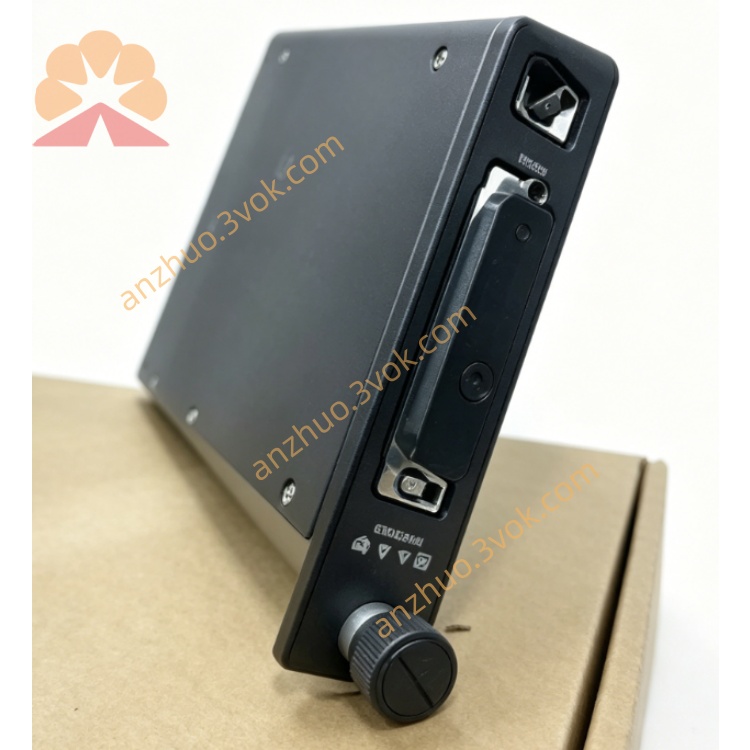
The rear gold finger dedicated connector is Tricon proprietary TMR backplane bus interface, responsible for redundant power supply access, three-way isolated bidirectional data exchange between the module and three redundant main CPU boards, and real-time uploading of hardware fault codes to the rack mainframe.
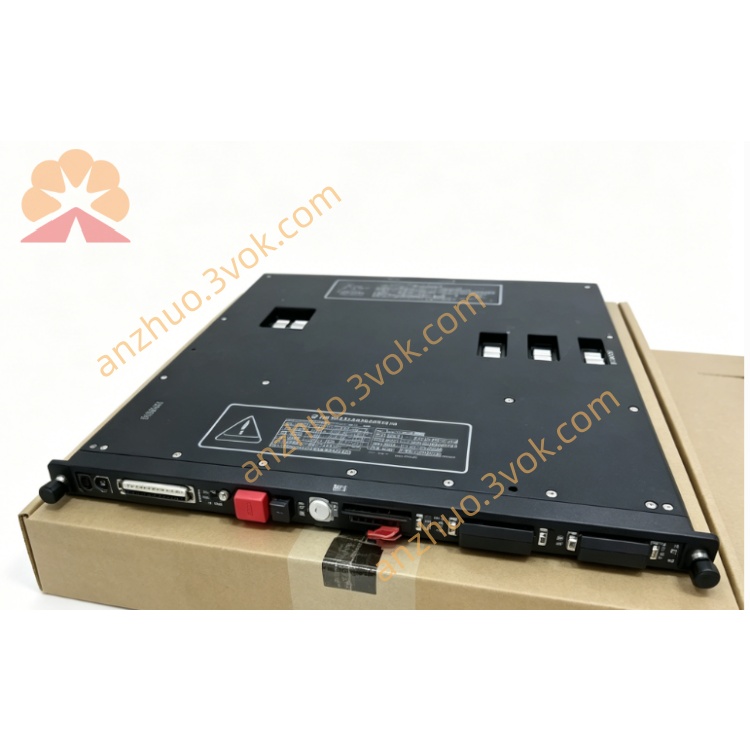
The front panel is equipped with four groups of screw-type serial wiring terminal blocks, one Centronics parallel printer port and multi-color LED diagnostic indicator lights. Indicators separately display module overall PASS normal running status, global hardware FAULT alarm, and independent TX transmit and RX receive signal lights for each serial channel to support fast on-site visual inspection. Compared with 4119 and 4119A, the 4118 has compact terminal spacing without dust-proof baffles for ports. All serial terminals support compression connection of shielded twisted-pair industrial cables; the parallel port adopts dedicated short-distance printing cables, long-distance extension is not allowed.
Internal Backplane Communication Mechanism
Data interaction between TRICONEX 4118 and triple redundant main processors relies on three completely isolated proprietary high-speed backplane buses, corresponding one-to-one with the three internal serial processing circuits of the module. Each redundant bus independently transmits safety interlock logic states, real-time process variables, serial communication mapping parameters and channel fault diagnostic information from each CPU to the EICM module. Before forwarding data to external serial equipment, the module executes two-out-of-three hardware voting on three groups of synchronous data to eliminate data inconsistency caused by single CPU deviation. Faults such as backplane link disconnection, communication timeout and data parity errors will trigger the front panel red fault light and upload detailed fault location codes to TriStation configuration software and central HMI.
External Serial Communication Protocol Support
The module does not carry Ethernet or fiber optical ports; all external data interaction depends on four configurable serial channels and one parallel printing channel. Supported mainstream serial communication protocols include Modbus RTU, Modbus ASCII and exclusive Tricon TriStation serial debugging protocol. Multiple serial channels can operate in parallel with different baud rates and signal modes simultaneously, realizing simultaneous docking with multiple types of serial external equipment. The parallel Centronics port only supports text printing of system real-time safety alarms, sequence-of-event records and module fault logs without data input function. All serial port signal mode switching, baud rate settings, Modbus variable mapping tables and fault threshold parameters are downloaded and stored in the redundant memory of Tricon main processors, and automatically synchronized to the 4118 module after rack full power restart.
5. Core Functions
Triple Redundant Multi-Channel Serial Data Forwarding
Three internal redundant communication circuits run synchronously to transmit bidirectional safety data between Tricon mainframe and multiple external serial devices. The two-out-of-three voting mechanism automatically rejects abnormal serial signals caused by long cable electromagnetic interference, terminal wiring looseness or single internal circuit failure, avoiding false safety interlock actions triggered by distorted external instrument signals. Fault or disconnection of a single serial port only affects the corresponding connected equipment, and other serial channels maintain full-load normal data transmission without loss of critical emergency shutdown signals. Limited by early hardware algorithms, the module has weak signal filtering performance under strong electromagnetic interference compared with 4119A.
Multi-Mode Serial Interface Adaptive Conversion
Four serial ports support free switching among RS232, RS422 and RS485 signal levels through TriStation configuration software, eliminating the need for additional external signal converters. Users can independently set transmission baud rate, parity check bit and data bit length for each channel to match different brand serial HMI, local PLC and event recorders. Built-in basic signal conditioning circuits compensate mild signal attenuation of long-distance shielded twisted-pair cables, ensuring stable communication accuracy within 800-meter transmission range.
Full-Link Serial Channel Comprehensive Self-Diagnosis
Continuous background diagnosis covers all communication transmission links: connection status of three-way redundant backplane buses, damage of internal serial processing chips, serial cable open circuit and short circuit, external serial equipment offline, signal overvoltage and port isolation barrier breakdown, and terminal block wiring looseness. All detected faults trigger the front panel red fault indicator alarm, and upload fault location, occurrence timestamp and fault codes to the system monitoring platform. Single serial channel fault will not shut down the overall communication function of the module, but the storage capacity of historical fault logs is limited and needs regular manual backup.
Isolated Parallel Port Alarm Hard-Copy Printing
The independent galvanically isolated Centronics parallel port supports direct connection to industrial text printers, realizing automatic offline printing of real-time safety alarms, accident sequence records and module fault logs. Printing tasks do not occupy serial channel bandwidth; the electrical isolation design prevents printer power supply surges from interfering with safety loop serial communication signals. Printing trigger conditions and report content formats can be customized through system configuration software.
Multi-Layer Electrical Isolation and Basic Anti-Interference Protection
Each external serial port and parallel port is equipped with independent isolation barriers to limit cross-transmission of abnormal energy between external field equipment and internal TMR safety circuits, preventing lightning surges, static electricity and transient overvoltage from damaging core rack hardware. All serial cable shielding layers must implement single-point grounding at the control room cabinet ground bar to eliminate ground loop interference generated by long-distance wiring. Internal circuit partitioning separates different serial channel signal processing areas to reduce mutual crosstalk and signal distortion, but the isolation withstand voltage and surge protection capability are lower than later upgraded 4119 series modules.
Multi-Device Parallel Serial Docking Management
A single TRICONEX 4118 module can connect up to four groups of independent serial external equipment simultaneously, realizing serial communication expansion without occupying rack dedicated network communication module slots. Operators can uniformly view the online status and real-time process data of all connected serial equipment on the central HMI, and configure independent communication priority for each serial channel, assigning the highest transmission priority to fire & gas alarm and emergency stop interlock serial signals to guarantee low-delay delivery.
6. Applicable Scenarios
Early-Built Petrochemical Refining ESD and F&G Safety Systems
Used as serial communication expansion gateway for old crude oil distillation, catalytic cracking and hydrogenation unit safety racks, realizing serial docking between Tricon SIS and local serial operation panels, flammable gas detectors and event sequence recorders, supporting hard-copy printing of accident alarm logs through the parallel printer port.
Onshore Oil & Gas Station Fire Protection Systems
Adapted to station control room environments with moderate humidity and vibration, connecting station local serial monitoring terminals, fire alarm control panels and wellhead serial signal collectors through multi-channel serial ports; the -IS intrinsically safe variant is adopted for control cabinets adjacent to Class I hazardous process areas.
Natural Gas Transmission Pipeline Compressor Stations
Serves early-built station safety interlock racks, realizing serial data exchange between Tricon safety system and compressor unit local serial controllers, uploading pipeline pressure and flow safety variables to station serial monitoring terminals, and automatic printing of daily safety operation records.
Traditional Thermal Power Plant Boiler Protection Systems
Applied in old boiler SIS racks, docking with boiler serial flame detectors, turbine protection serial controllers and local operation panels, supporting real-time transmission of boiler overtemperature and overpressure pre-alarm signals and offline storage printing of fault records.
Small-Scale Fine Chemical and Pharmaceutical Production Workshops
Deployed in Class I explosive hazardous area control rooms with -IS intrinsically safe configuration, connecting workshop reactor serial temperature and pressure recorders and local emergency stop serial panels, using multi-channel isolated serial ports to isolate signal loops of different production workshops.
SIS System Renovation and Expansion Retrofit Projects
Suitable for transformation of early Tricon safety racks without redundant network communication slots, utilizing the 4118 multi-serial expansion function to add serial monitoring equipment without replacing original rack network modules, matching the original system hardware compatibility architecture.
7. Operation and Maintenance Instructions
Installation Requirements
TRICONEX 4118 must be installed in dedicated auxiliary communication single slots of standard Tricon TMR safety I/O rack; full rack power supply must be completely cut off before plugging or disassembly, online hot-swap operation is strictly forbidden. Insert the module horizontally into the card slot, and fully lock the front panel fastening screws to ensure reliable contact between the rear backplane gold finger connector and the rack bus. All serial communication cables must adopt double-shielded twisted-pair industrial cables; cable shielding layers must be single-point grounded at the control room cabinet ground bar, and multi-point grounding on field equipment side is prohibited to prevent ground loop induced interference. The parallel printer port wiring uses dedicated shielded parallel cables, and wiring length exceeding 5 meters is not recommended. For intrinsically safe hazardous area cabinet installation, certified safety isolation barriers must be added between module serial terminals and field serial equipment, strictly complying with intrinsic safety circuit parameter matching specifications. A ventilation gap of at least 15 centimeters must be reserved around the rack card slot; high-power heat-generating modules cannot be stacked beside the 4118 module to avoid overheating exceeding the rated operating temperature and triggering serial communication protection faults.
Daily Routine Inspection Standards
Conduct daily visual inspection to confirm that the PASS indicator light on the front panel of the module remains steady green, the FAULT alarm light is off, and TX/RX signal lights of each serial port flash normally with data transmission. Log in to TriStation configuration software or system central HMI every day to check all serial channel link status, and confirm that there are no records of serial cable disconnection, communication timeout, port overvoltage or internal hardware faults. Every week, compare serial transmission safety variable data with local serial equipment display values to judge abnormal communication delay or signal distortion. Every month, clean the dust accumulated on the front panel serial terminals and parallel port of the module and the ventilation slits of the rack, check the operating status of the cabinet cooling fan, and ensure that the ambient temperature around the module is maintained within the specified operating range of -40°C to +65°C. Regularly export historical fault logs to avoid log coverage caused by limited storage space.
Regular Inspection and Calibration Cycle
Under standard indoor control room operating conditions, full serial port function test, baud rate parameter verification and communication signal calibration shall be carried out every 12 months; for coastal salt fog workshops and high-temperature chemical production areas, the inspection cycle is shortened to 6 months. Before inspection, back up all serial port mode settings, baud rate configurations and Modbus variable mapping data stored in the redundant memory of Tricon main processor. Use professional serial signal simulators to inject test signals into each serial channel one by one, verify data receiving and forwarding accuracy, adjust communication timeout threshold and signal filtering parameters in configuration software if packet loss or communication delay occurs. After completing all channel tests, save the updated configuration data to redundant system memory, and retain written inspection records including inspection date, operator name and fault test data for factory safety compliance audit.
Common Fault Handling Procedures
When the TX/RX indicator light of a single serial port stops flashing and a communication interruption alarm is triggered, first check whether the serial cable is broken, the terminal wiring is loose or the shielding layer is damaged, then confirm whether the connected external serial equipment is powered off or faulty; eliminate external wiring and equipment faults first before judging module hardware damage. If the global FAULT red light on the front panel is always on and all serial channels cannot transmit data, cut off the whole rack power supply first, then check the 24VDC power supply voltage of the rack and whether the backplane connector has dust accumulation, corrosion or poor contact. If the system diagnosis displays internal serial circuit hardware failure of the module, planned shutdown maintenance must be arranged: cut off rack power, unlock front fastening screws, steadily pull out the faulty module, insert a spare TRICONEX 4118 module of the same suffix version, lock the screws tightly, restore rack power supply, wait for the mainframe to complete automatic synchronization of serial communication parameters, then verify that all serial channels resume normal transmission and clear the historical fault alarm logs. On-site disassembly of internal circuit components of the module is forbidden; damaged modules must be returned to official authorized service centers for repair or scrapping. Unauthorized disassembly will invalidate all SIL3 safety certifications of the hardware.
Spare Module Storage and Long-Term Service Management
Offline spare TRICONEX 4118 modules shall be stored in a constant temperature dry warehouse with ambient temperature maintained at 0°C to 40°C and relative humidity controlled below 70%. The modules must be sealed in original anti-static packaging bags to prevent static electricity from damaging internal serial communication chips, and avoid direct sunlight, corrosive gas and heavy dust accumulation environments. Every six months of shelf storage, take out the spare module for a 30-minute power-on aging test to activate internal circuit capacitors and prevent component performance degradation caused by long-term power-off state. The design service life of the module under rated normal operating conditions is 15 years; all on-site installed 4118 modules shall be replaced in batches when reaching the service life to maintain the overall SIL3 safety integrity level of the entire SIS system.
Maintenance Safety Prohibitions
Unauthorized modification of internal serial processing chips, independent firmware burning or hardware wiring transformation of TRICONEX 4118 is strictly prohibited. Any modification will void functional safety certification and related industrial safety qualification certificates. Do not connect serial cables with overvoltage exceeding the module’s rated 300VDC isolation withstand voltage to front terminals; excessive voltage will permanently burn internal isolation circuits and triple redundant backplane bus interfaces. All maintenance operations involving module plugging, serial cable replacement or communication parameter modification must be operated by certified SIS safety instrument maintenance personnel, and the whole rack power supply must be cut off before module disassembly. Safety isolation measures for production safety loops must be implemented before operation to avoid accidental triggering of emergency shutdown interlock logic during maintenance. Any disassembly or replacement of the module is forbidden during critical production startup, shutdown or emergency accident handling stages; all module maintenance work must be arranged during planned equipment shutdown maintenance windows.

Get a Quote