
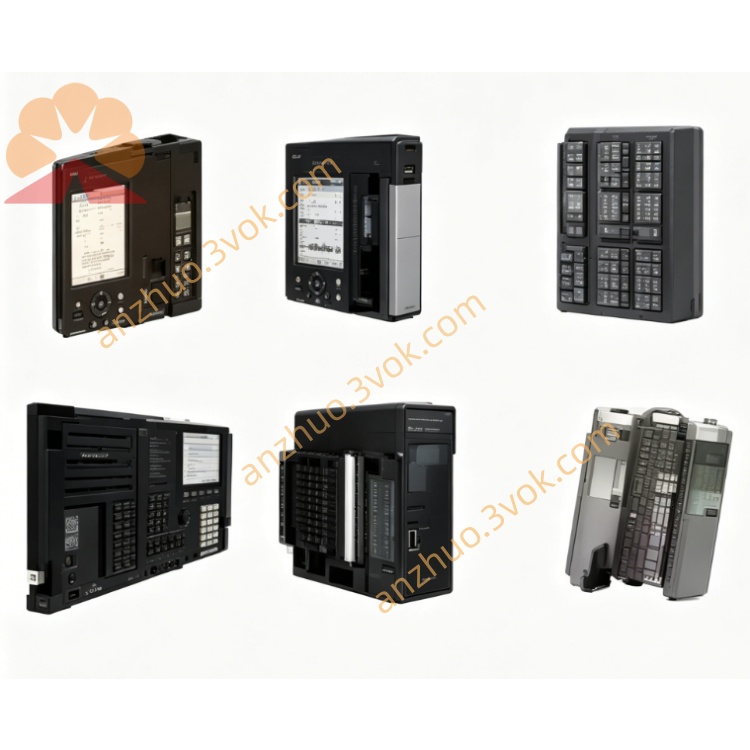
TRICONEX 9760-210 16-Channel Analog Input Termination Panel
Description
I. Core Parameters (9760-210)
1) Basic Specifications
Model: 9760-210 (AI ETP, 4–20mA → 0–5VDC, 32 Points, 250Ω)
Signal Type: 4–20mA Current Input (Two-wire / Three-wire Transmitter)
Number of Channels: 32 Points / Board (Single block direct connection of 32 channels, no splicing required)
Sampling Resistance: 250Ω Precision Metal Film Resistor (4–20mA → 1–5VDC, Compatible with 0–5V AI Module)
Input Impedance: 250Ω (Fixed)
Isolation: ≥1500VAC Field - System Isolation, Channel-to-Channel Isolation
Accuracy: ±0.05% FS @ 25℃
Resolution: 16bit (Dependent on AI Module)
Diagnosis: Open Circuit / Short Circuit / Overrange Detection, TMR Triple Redundancy
Safety Level: SIL3 (IEC 61508)
Operating Voltage: Passive Terminal Board (No Power Supply Required)
Temperature: -40℃ ~ +70℃
Certification: CE, UL, CSA, ATEX/IECEx
Installation: 35mm DIN Rail
Compatible Modules: 3700A, 3701, 3704E, 3720 (Tricon 32-point Analog Input Module)
Connection Cable: Special Flat Cable (e.g. 7400213-100)
2) Panel and Indicator Lights
CH01–CH32 (Green): Channel Signal Normal (4–20mA Range)
FAULT (Red): Channel Fault (Open Circuit / Short Circuit / <4mA/〉20mA)
3) Comparison within the Same Series (9760 Family)
9760-210: 32 Points 4–20mA → 0–5V, 250Ω, Passive (Most Commonly Used)
9760-410: 32 Points 0–5V/0–10V Voltage Input, Active
9765-210: 32 Points Three-wire Current Input, With Cold Junction Compensation
II. Usage Instructions (Installation / Wiring / Maintenance)
1) Installation Configuration
32-point AI Module (3700A/3704E): 1 Module per 9760-210 (32-point Full Coverage)
Installation Location: Cabinet DIN Rail, Close to the Field Transmitter to Reduce Interference
Hot Swap: Supports Online Replacement without Affecting System Operation
2) Wiring Specifications (4–20mA Two-wire Transmitter)
Transmitter + → CHx+
Transmitter - → CHx-
24VDC + → Transmitter Power +
24VDC - → Transmitter Power - (Common Ground with CHx-)
Wire Diameter: 1.0–1.5mm² Shielded Twisted Pair, Single-ended Grounding of Shield Layer
Resistance Matching: Built-in 250Ω, No Additional Resistors Required
3) Fault Handling
FAULT Lights On: Open Circuit / Short Circuit / Overrange Detection → Check Transmitter Wiring, Power Supply, Range
CH Lights Not On: Check Flat Cable Connection, Module Configuration, 24VDC Power Supply
Signal Drift: Check Shielding Grounding, Cable Length, Terminal Tightening
Get a Quote