
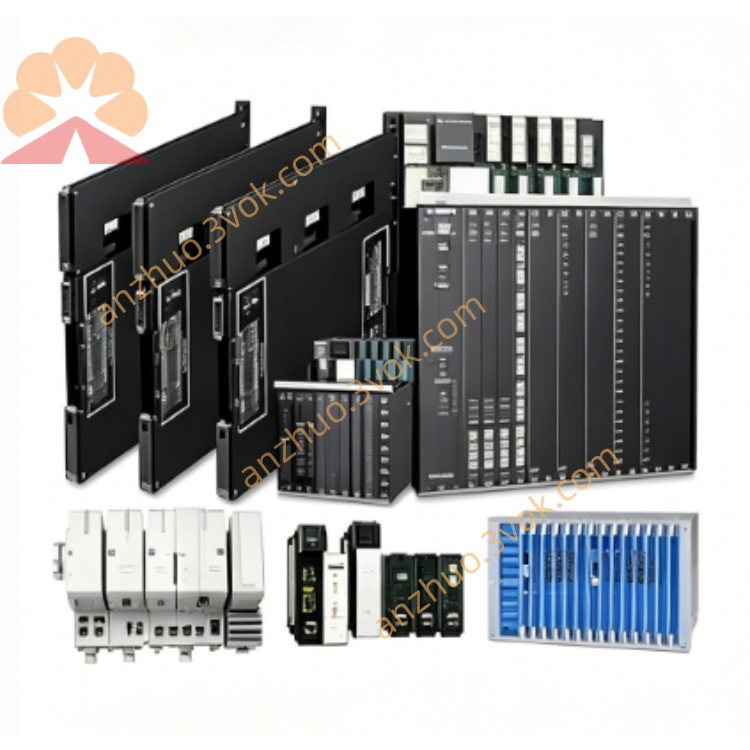
TRICONEX 9651-110 Digital Input/Output Termination Panel, 120VAC High Voltage Type
Description
I. Product Overview (Core Parameters)
1) Basic Specifications
Model: 9651-110 (Digital Input/Output Termination Panel, 120VAC High Voltage Type)
Signal Type: 120VAC Digital Input/Output (Suitable for high-voltage field devices such as solenoids, switches)
Channels: 16 points / board (8DI + 8DO or 16DI/16DO configuration, depending on the module)
Protection: 3A slow-blow fuse per channel, with independent fuse blow indicator (single-channel fault location)
Isolation: ≥1500VAC Field - System Isolation, High-voltage circuit anti-surge, anti-interference
Common Terminal: Independent circuit + Common Terminal Optional, suitable for 120VAC Hot Wire / Neutral Wire Wiring
Architecture: Compatible with TMR Triple Redundancy I/O, signal voting without single-point failure
Safety Level: SIL3 (IEC 61508)
Working Voltage: 120VAC ±10%, 50/60Hz
Temperature: -40℃ ~ +70℃ (Industrial wide temperature, suitable for harsh environments)
Certifications: CE, UL, CSA, ATEX/IECEx (Available in explosion-proof areas)
Installation: 35mm DIN Rail / Panel Mounting, Green Large Current Terminal Block
Compatible Modules: 3601E, 3602E, 3701E (120VAC High Voltage DI/DO Modules)
Connection Cable: Special Flat Cable (e.g. 9652-110)
2) Panel Indicator Lights (3 Types, High-Voltage Circuit Specific)
CH01–CH16 (Green): Lit when corresponding channel signal is connected
PWR (Green): Normal 120VAC power supply of the terminal board
FUSE (Red): Lit when any channel fuse blows (Single-channel precise location)
3) Differences between 9651-110 and 956x Series (High Voltage vs Low Voltage)
9561/9563/9566: 24VDC Low Voltage DI Terminal Board, suitable for low-voltage sensors / switches
9651-110: 120VAC High Voltage DI/DO Terminal Board, suitable for high-voltage solenoids, contactors, switches, 3A fuse + large current terminal
II. Usage Instructions (Installation / Wiring / Maintenance)
1) Installation Configuration
High-voltage DI/DO Module (3601E/3602E/3701E): 1:1 Configuration (1 Module = 1 9651-110)
Installation Location: Cabinet DIN Rail, Close to 120VAC Field Wiring Side; Connected to I/O Module via Flat Cable
Installation Procedure: Rail Insertion Type, Snap Fixed; Supports Hot Swap, Online Replacement without Shutdown
2) Wiring Specifications (120VAC High-Voltage Circuit, Safety Priority)
Input (120VAC Dry Contact): Hot Wire L → Channel +, Neutral Wire N → Channel -, Switch Series L Circuit
Output (120VAC Load): Channel + → Load One End, Load Another End → Neutral Wire N, Hot Wire L Incoming Terminal Block Common Terminal
Wire Diameter: 1.5–2.5 mm² Multi-strand Copper Wire, Pressed Cold Press Terminal (High-Voltage Circuit Specific)
Fuse: Built-in 3A Slow-Blow, Overcurrent / Short Circuit Protection; FUSE Light On Immediately Turns Off and Replace Corresponding Fuse
3) Operating Status
Normal: PWR Always On, CH Lights Turn On and Off According to Signal Status, FUSE Completely Off
Redundancy Synchronization: Automatically Synchronized with TMR Module, Without Disturbance Switching
4) Fault Handling FUSE is on: Check for short circuit / overload in the corresponding channel after power failure; replace with a 3A fuse
CH is not lit: Check 120VAC power supply, on-site switches / loads, and terminal connections for tightness
PWR is not lit: Check 120VAC power supply circuit, flat cable connections, and terminal board fuses
III. Quick Overview of the Same Series Selection
9651-110: 120VAC 16-point DI/DO terminal board (high-voltage mainstream model)
9652-110: Special connection cable for 9651-110 (compatible with high-voltage module)
9566-810: 24VDC 32-point low-voltage DI terminal board (alternative for low-voltage scenarios)
Get a Quote