
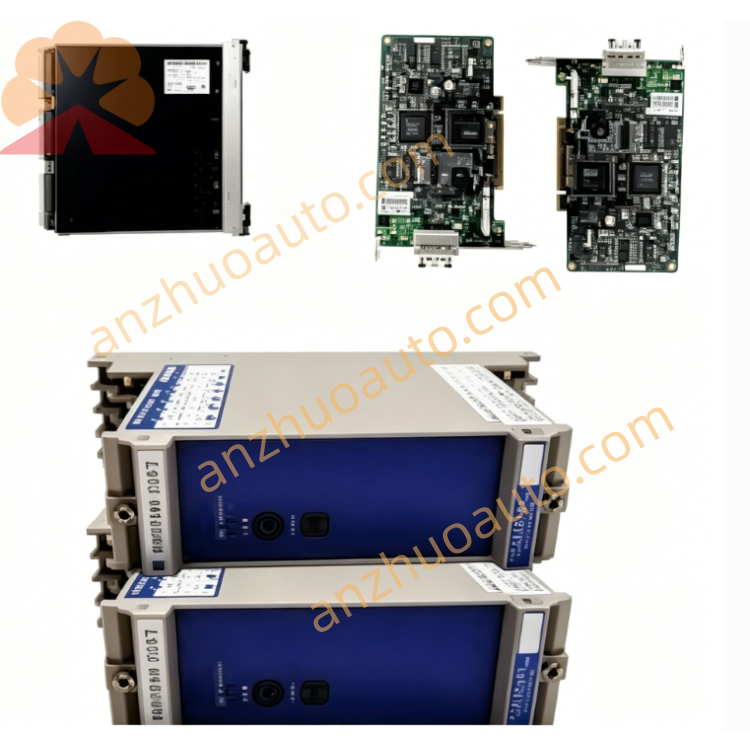
GE 12IAC53B104A
Description
GE 12IAC53B104A is a heavy‑duty electromechanical time‑over‑current protective relay belonging to GE’s classic IAC product family, engineered to deliver coordinated primary and backup over‑current protection for overhead feeders, underground power cables, distribution transformers and large‑capacity industrial motor‑control power circuits in utility substations, thermal‑power‑generation stations and factory‑wide electrical distribution systems. Every relay unit undergoes precision mechanical assembly, torque calibration and comprehensive functional testing before factory delivery, ensuring long‑term stable, repeatable tripping behaviour and full interchangeability with the originally installed hardware during on‑site overhaul, maintenance and spare‑part‑replacement work.
This protective device integrates two independent measuring elements within one compact housing: a very‑inverse time‑delay over‑current unit and a separate high‑speed instantaneous over‑current unit, enabling two‑stage fault protection on a single piece of equipment. The time‑over‑current element covers gradual overload conditions and moderate‑level short‑circuit faults. It follows a very‑inverse operating curve, meaning its tripping time shortens sharply as fault‑current magnitude rises, offering fast reaction to serious over‑current events while maintaining selectivity with upstream and downstream protective relays. Its adjustable pickup‑current setting ranges from 4 amps to 16 amps, giving engineers flexible configuration choices to fit different feeder load ratings and protection‑coordination requirements.
The built‑in instantaneous over‑current unit provides fast‑acting protection against high‑magnitude short‑circuit faults. Its pickup threshold can be tuned between 20 amps and 80 amps. Once fault‑current values exceed this preset limit, the instantaneous element trips with almost zero intentional time delay, rapidly isolating catastrophic short‑circuit faults and preventing heavy‑damage burnout of cables and transformers. Two independent latched visual target indicators, one for the time‑delay unit and one for the instantaneous unit, clearly show which protection element has operated after a fault event, greatly simplifying post‑fault inspection and root‑cause troubleshooting for maintenance crews. An electrical seal‑in coil maintains trip‑contact closure until manual reset, ensuring reliable breaker‑tripping signals even under brief fault‑current transients.
The relay is constructed in a robust, panel‑mounted draw‑out enclosure, designed for installation inside standard power‑system protection cabinets. Its induction‑disk‑based mechanical measuring mechanism is built to withstand typical control‑room environmental conditions, including moderate temperature swings, low‑level mechanical vibration and light dust accumulation. Before field installation, technicians shall complete a full visual inspection of housing, wiring terminals and internal moving mechanical components to rule out transport‑related damage. After secondary‑current‑transformer wiring has been finished, secondary‑injection functional testing must be performed to verify time‑curve performance, pickup‑current thresholds, instantaneous‑element response and target‑seal‑in operation. All settings must be coordinated with adjacent over‑current relays to achieve proper selective tripping across the whole power‑distribution network.
GE 12IAC53B104A is frequently chosen during preventive‑maintenance overhaul, faulty‑relay renewal and distribution‑protection‑system upgrade projects. Unused spare relays should be kept in dry, temperature‑controlled indoor warehouses, away from humid air and corrosive gas which may cause internal mechanical sticking or metal‑part oxidation. During installation, commissioning and periodic inspection, all high‑voltage electrical‑safety codes and GE’s official IAC‑series operation manuals must be strictly followed. Deploying genuine GE 12IAC53B104A time‑over‑current relays delivers reliable two‑stage fault protection for power‑distribution assets, improves protection selectivity, speeds‑up severe‑fault clearing and lowers financial losses caused by unplanned electrical outages.
Get a Quote