
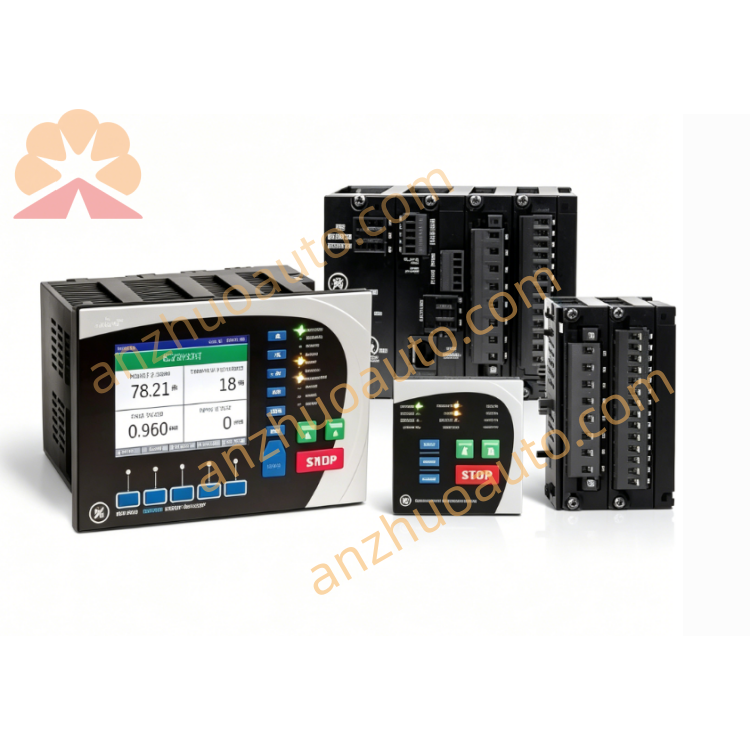
115D3311G4 Sensing Transmitter Unit with Ge Sensing Chip
Description
115D3311G4 is a field‑hardened sensing transmitter unit equipped with specialized Ge sensing chip, performing physical parameter detection and signal conditioning for industrial automation and process monitoring systems. The integrated Ge sensing chip serves as the core functional component that sets this transmitter unit apart from ordinary general‑purpose sensing hardware. Germanium semiconductor material features exceptional sensitivity to faint physical changes, enabling the unit to translate tiny on‑site physical variables into standardized electrical outputs that upper‑level control hardware can receive, identify and process efficiently.
All Ge sensing chips deployed on 115D3311G4 go through rigorous raw‑material inspection, precision cutting, doping modification and high‑low‑temperature aging screening before final assembly. Impurity levels inside germanium crystal chips are strictly controlled to minimize background noise and prevent irregular signal oscillation caused by internal material defects. After soldering and complete assembly, every finished transmitter unit completes full‑span multi‑point calibration covering typical industrial operating temperature ranges. This calibration procedure effectively compensates measurement offset brought by ambient temperature drift, maintaining consistent signal output even when workshop environmental conditions shift frequently.
In mechanical and electrical architecture, 115D3311G4 complies with widely‑accepted industrial hardware specifications. Anti‑interference circuit routing is implemented to restrain electromagnetic disturbance produced by on‑site motors, frequency converters and other high‑power industrial equipment. Connection terminals adopt anti‑loosening structural design, lowering risks of poor contact resulting from long‑term mechanical vibration. The outer housing provides basic dust‑proof protection, adapting to regular control‑cabinet installation surroundings. Rack‑mount installation mode is supported, so this sensing transmitter unit can be neatly arranged alongside other automation modules inside control cabinets.
During practical field deployment, 115D3311G4 transmits conditioned real‑time sensing signals to host controllers via industrial wiring, assisting operators in acquiring accurate on‑site operating status. It can be configured for newly‑built control cabinets, and also acts as direct‑fit replacement spare component for automation system upgrade and equipment renewal projects. Routine maintenance mainly includes terminal fastening inspection and housing surface dust removal. End‑users are prohibited to disassemble or adjust internal Ge sensing chip arbitrarily; unauthorized disassembly will degrade measuring performance and void product reliability guarantee.
This sensing transmitter unit is engineered for long‑term continuous industrial operation. Operating temperature and supply voltage must remain within rated specification boundaries. Violent mechanical impact should be avoided, as shock force may damage the fragile built‑in Ge sensing chip and trigger measuring anomalies. When operated under permitted working conditions, 115D3311G4 sustains dependable sensing and transmission capability and helps extend the overall service cycle of the whole process monitoring system.
Get a Quote