
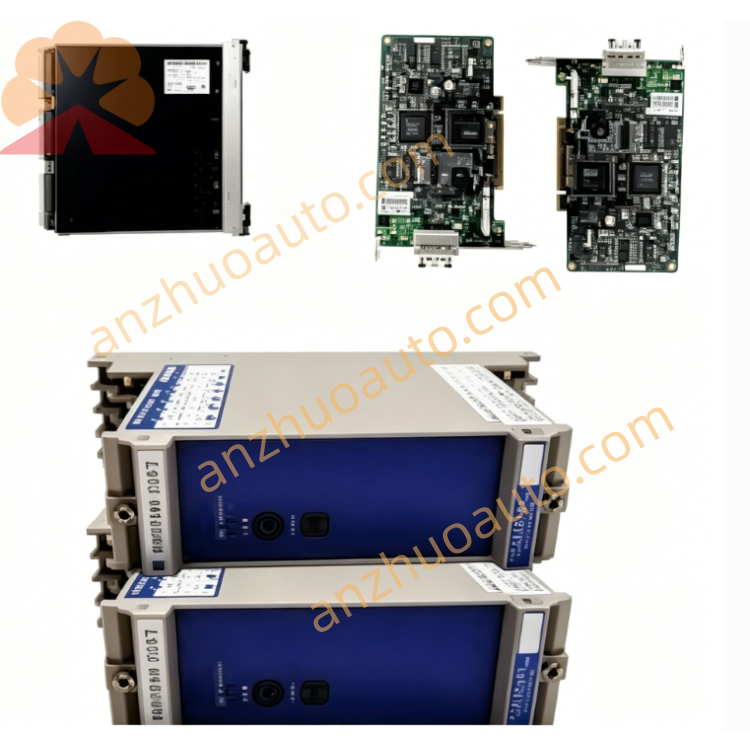
GE FGA300H-10-41-60-10-0 In-situ Flue Gas Analyzer
Description
Measurement Principle and Electrical Performance
The zirconium oxide sensing probe relies on oxygen ion conduction characteristics of high-temperature ceramic materials to output voltage signals proportional to oxygen concentration. The matched platinum catalytic component oxidizes residual combustibles in flue gas to realize ppm-level combustible gas detection. Built-in high-precision furnace temperature control circuit ensures stable sensor working temperature and suppresses measurement drift caused by flue gas temperature fluctuation. It supports isolated 4–20mA analog output, relay alarm contact and digital communication interface to upload measuring data to DCS and PLC systems. All calibration parameters, alarm thresholds and working configuration are stored in non-volatile memory without data loss after power outage. Internal electronic components pass high-low temperature aging screening to adapt to long-term continuous online operation under high-temperature flue gas working conditions.
Structural Design and Environmental Adaptability
The measuring probe adopts high-temperature resistant alloy material, resistant to high-temperature flue gas, dust and slight corrosive medium inside boiler flues. The main unit shell meets industrial protection grade, and the internal circuit board is coated with anti-corrosion conformal coating to adapt to harsh thermal power plant and chemical kiln environments. The overall insertion installation structure is fixed by flange, and the sealed thread structure prevents flue gas leakage during long-term operation. The whole machine complies with industrial EMC anti-interference standards and can operate stably under electromagnetic disturbance generated by fans, frequency converters and power distribution equipment on site. The integrated heating and heat preservation structure effectively avoids acid dew corrosion to internal sensing elements.
Matching Components and Application Scenarios
Supporting matched sampling sleeve, blowback cleaning assembly and display control unit of FGA300 system. Widely applied to thermal power boiler flue gas monitoring, industrial heating furnace combustion efficiency adjustment, waste incineration flue gas detection and petrochemical heating furnace exhaust monitoring. It optimizes air-fuel ratio through real-time flue gas data to reduce fuel consumption and harmful gas emission. It can replace the original faulty analysis host and probe assembly to restore real-time flue gas monitoring of combustion system.
Stability and Maintenance Advantages
Each analyzer completes gas calibration, high-temperature aging test and whole machine function detection before delivery to ensure consistent performance among batches. The automatic blowback function reduces dust accumulation on the probe surface and lowers the frequency of manual maintenance. Field replacement and parameter debugging procedures are standardized, which can shorten equipment downtime loss for enterprises. Original genuine GE analyzers effectively prevent measurement deviation and probe burnout risks caused by inferior generic products. Shockproof sealed packaging meets long-term spare parts warehousing requirements, and overall measurement performance will not obviously decline under dry constant-temperature storage environment.
Get a Quote