
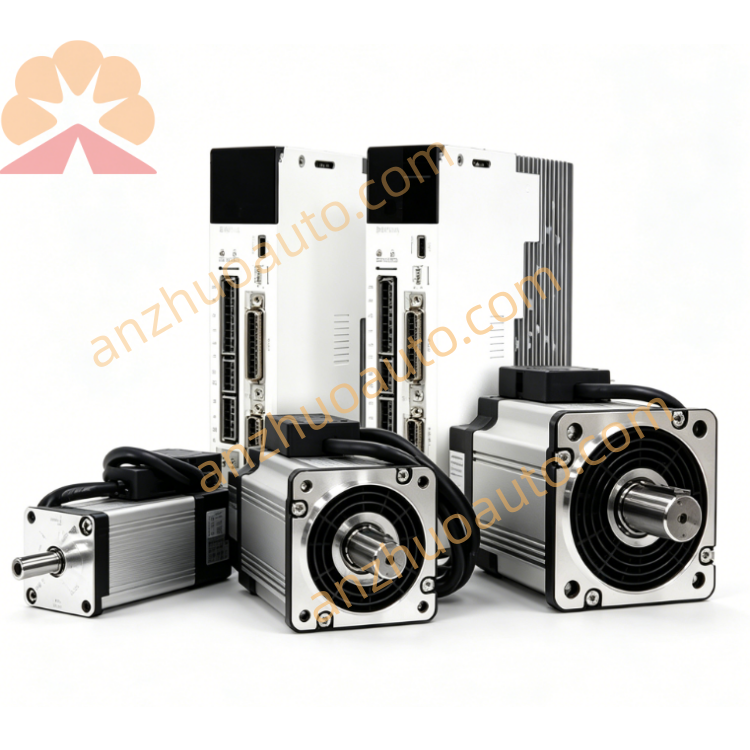
GE MTS-351-10 Panel-Mount Dew Point Moisture Transmitter
GE MTS-351-10 is a Series 35 industrial dew point transmitter developed by GE Panametrics. It matches MMS35 alumina probes to continuously measure trace moisture in process gas and outputs standard industrial signals for factory gas quality closed-loop control.
Description
GE MTS-351-10 belongs to the classic Series 35 fixed moisture analysis platform of GE Panametrics. The coding 351 stands for panel installation structure + standard signal configuration, while 10 represents factory preset measurement range and alarm parameter settings. This transmitter forms a complete gas moisture monitoring system when paired with the MMS35 series insertion dew point probes we sorted previously, converting the capacitance signal from alumina sensors into readable dew point value, ppm moisture content and temperature data through internal high-precision signal conditioning circuits and built-in temperature compensation algorithms.
The equipment supports an ultra-wide dew point measurement span from -110°C to +60°C, with standard calibrated precision reaching ±2°C within the common working section, meeting the detection requirements of ultra-dry compressed air, nitrogen, hydrogen, natural gas, SF6 insulating gas and heat treatment protective gas in multiple industries. Combined with the built-in temperature signal transmitted by the probe’s NTC thermistor, the host automatically corrects measurement drift caused by pipeline temperature fluctuations, guaranteeing stable and accurate data output during 24-hour long-term uninterrupted online operation.
The transmitter adopts standard DIN panel embedded installation mode with a compact metal casing. The front LCD screen displays real-time measurement data, probe working state and system fault codes locally, and matched physical buttons support on-site range calibration, alarm threshold setting and parameter query without extra handheld configuration tools. The internal circuit board adopts three-proof coating treatment, adapting to the ambient temperature range of -20℃ ~ +60℃ in humid compressor rooms, chemical instrument cabinets and outdoor sealed analysis boxes.
Standard electrical configuration includes isolated 4–20mA analog output channel and optional RS485 Modbus communication interface. Measured moisture data can be uploaded to DCS, PLC and SCADA centralized control systems to realize remote data recording, trend analysis and high/low dew point interlock alarm. The device is equipped with independent fault diagnosis logic to feed back abnormal conditions such as probe disconnection and signal attenuation through fault codes, lowering the difficulty of on-site troubleshooting for maintenance personnel.
This model has intrinsic safety certification compliant with ATEX standards. After being matched with certified safety barriers, it can be safely deployed in Zone 1 and Zone 2 explosive hazardous areas of petrochemical plants, refineries and gas stations. The terminal wiring terminals are marked with unified specifications, which can be quickly connected to probe signal cables, reducing wiring errors during field installation and commissioning.
Each MTS-351-10 transmitter is calibrated with NIST-traceable standard moisture gas sources before factory delivery, with complete calibration certificates attached to the product. The whole machine has no mechanical moving wearing parts, featuring low failure rate in long-term operation. Daily maintenance work is limited to annual regular calibration inspection and regular cleaning of the display surface dust. When the sensing performance of the matched MMS35 probe declines, only the probe core needs to be replaced instead of the whole transmitter, effectively reducing the enterprise’s spare parts operation and maintenance cost.
It is widely applied to power station electrical equipment SF6 gas moisture monitoring, air separation plant high-purity gas detection, pharmaceutical clean compressed air monitoring, natural gas pipeline dehydration effect evaluation and heat treatment furnace atmosphere quality control scenarios, providing reliable data support for process safety protection and gas quality management.
Get a Quote