
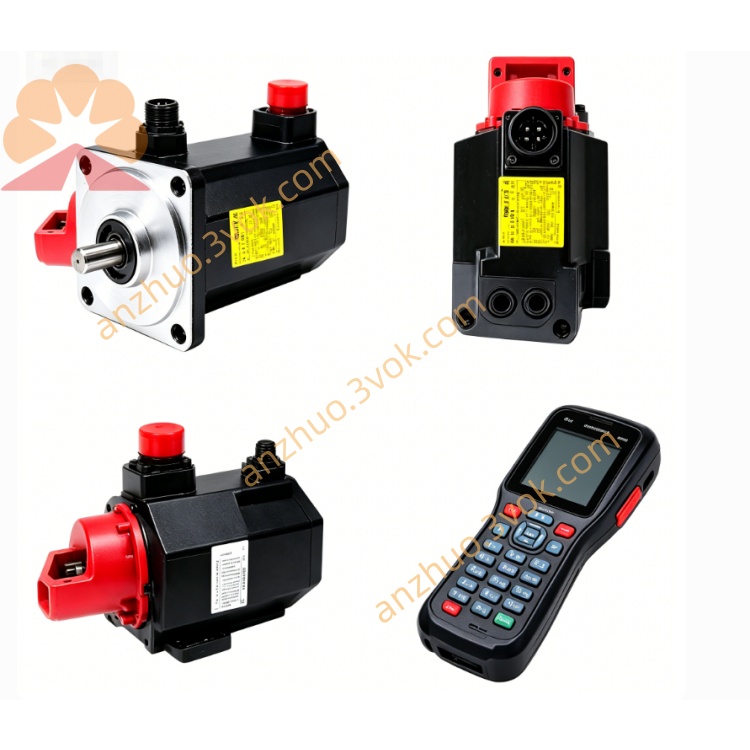
Fanuc ZA81L-0001-0101#C Servo Power Cable CNC Spare Part
Description
1. General Information
Model: ZA81L-0001-0101#C
Standard Part No.: A81L-0001-0101#C
Type: 3-phase AC input line reactor
Brand: FANUC
Function: Suppress surge voltage and harmonic interference, protect servo and spindle drive units, stabilize input power voltage
Application: FANUC CNC servo power system, machine tool electrical cabinet
2. Electrical Specifications
Rated voltage: 200V AC class
Rated continuous current: 36A
Rated inductance: 0.12mH
Working frequency: 50Hz / 60Hz
Insulation class: H, withstand temperature up to 180°C
Maximum temperature rise: ≤80K
Inductance tolerance: ±5%
3. Mechanical & Environmental Parameters
Operating temperature: -10°C ~ +40°C
Storage temperature: -20°C ~ +60°C
Ambient humidity: 10%~85%RH, non-condensing
Protection level: IP20
Installation: Cabinet fixed mounting
Weight: Approx 5.2kg
4. Main Features
Suppress voltage spike and harmonic current effectively
Reduce electromagnetic interference between power grid and drives
High temperature resistant winding for stable long-term operation
Compact structure, convenient wiring and daily maintenance
Low running noise and excellent anti-vibration performance
5. Compatibility
Compatible with FANUC αi, βi series servo amplifiers
Matches PSMR series power supply modules
Applied to CNC lathes, machining centers and industrial robots
6. Installation Instruction
Cut off all power supply before installation.
Secure the reactor firmly on flat mounting surface.
Connect three-phase power cables to input terminals.
Link output terminals to drive power inlet.
Ground the reactor housing reliably.
Check all connections tightly, then power on and test operation.
7. Maintenance & Troubleshooting
Clean surface dust and inspect terminals regularly.
Retighten loose wiring connections periodically.
Overheating: Check load current and heat dissipation condition.
Unusual loud hum: Examine internal coil and iron core fastening.
Power fluctuation alarm: Verify wiring correctness and model matching.
8. Safety Precautions
Installation and maintenance shall be operated by qualified personnel.
Ensure power disconnection to prevent electric shock hazard.
Do not touch hot surface during equipment running.
Reserve enough space around the reactor for heat dissipation.
Get a Quote