
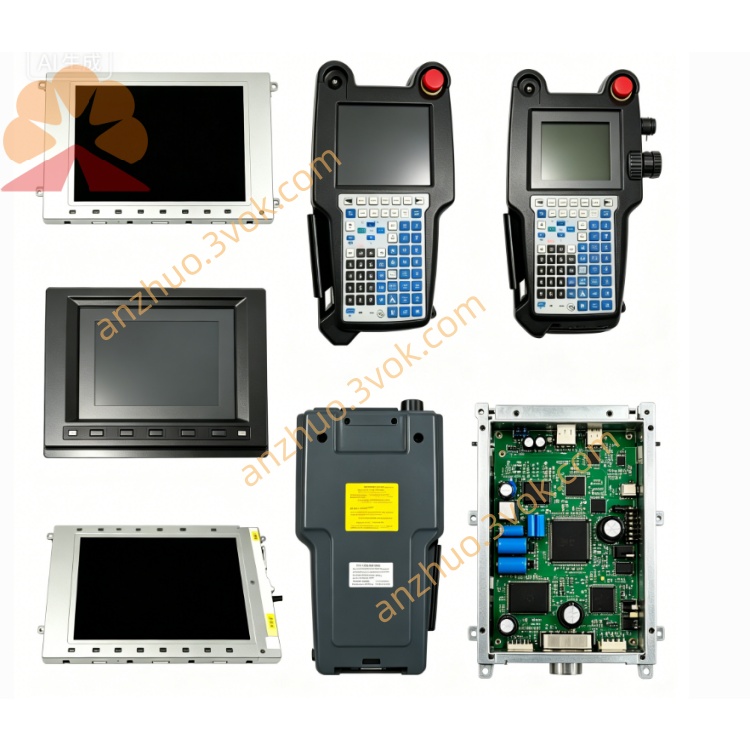
Fanuc A16B-2203 CNC Axis & CPU Control PCB
Description
1. General Description
2. Part Number Structure
A16B: FANUC Series 16 PCB prefix, standard form factor for 16‑slot racks.
2203: Series identifier for I/O/axis/auxiliary power boards.
Full Format: A16B‑2203‑XXXX (last four digits define specific function, I/O count, and revision).
3. Common Models & Functions
3.1 Digital I/O Boards
A16B‑2203‑0073/02A: 96‑input/64‑output E1 I/O board for FS0i control, with TTL/24V DC signal compatibility and ARCNET communication interface.
A16B‑2203‑0111: FS0‑C I/O C6 board, 64‑input/32‑output, source‑type, for CNC machine peripheral connection.
A16B‑2203‑0881: Robot I/O unit PCB with TPR/BRK (taper/brake) control, supporting keyed/slick shaft configuration options.
3.2 Axis Control Boards
A16B‑2203‑0020/0021: FS0‑C/0‑D AXE Type B axis control card, dual‑axis servo interface, with encoder feedback and limit switch input circuits.
3.3 Process I/O & Power Boards
A16B‑2203‑0420: Process I/O Board FA, with CRM2A/2B/2C/2D and CRM4A/4B connectors for external sensor/actuator connection; supports P24V/P5V voltage monitoring and jumper configuration for common input voltage.
A16B‑2203‑0910: Auxiliary power supply unit, 24V DC output, 200–240V AC input, with overvoltage/overcurrent protection for I/O and peripheral circuits.
4. Compatibility
FANUC CNC: Series 16‑B/18‑B/21‑B, FS0‑C/0‑D, early 0i models.
FANUC Robots: R‑J, R‑J2 controllers.
Servo Systems: Alpha series servo amplifiers (PSM‑5.5/11) and axis units.
5. Specifications
5.1 Electrical
Input Voltage: AC 200–240V (power models); DC +5V, +24V (logic/I/O boards).
Output Voltage: +5V (±5%), +24V (±5%).
Signal Level: 24V DC logic (I/O channels), TTL (internal communication).
I/O Capacity: Up to 96 inputs / 64 outputs (per board, model‑dependent).
5.2 Environmental
Operating Temperature: 0°C to +45°C (non‑condensing).
Storage Temperature: -20°C to +60°C.
Humidity: ≤85% RH (no condensation).
Altitude: Up to 1,000 m without performance loss.
5.3 Physical
Form Factor: Standard 16‑slot rack‑mount PCB.
Dimensions: 148 mm × 103 mm × 32 mm (typical).
Weight: 0.24–0.45 kg (varies by model).
6. Installation
Power Off: Disconnect all AC/DC power sources from the CNC/robot controller to ensure zero voltage before handling.
ESD Protection: Wear an anti‑static wristband and work on an anti‑static mat to prevent electrostatic damage to components.
Rack Insertion: Align the PCB with rack guide rails, insert into the designated slot, and tighten front‑panel screws to secure.
Cable Connection: Connect power (P24V/P5V/GND) and I/O signal cables to labeled connectors (CRM2A/2B etc.), ensuring correct polarity and tight connections.
Power‑On Test: Restore power and run POST; verify board recognition via CNC/robot diagnostic screens and check for LED fault indicators.
7. Maintenance & Troubleshooting
7.1 Maintenance
Regular Cleaning: Power off and clean the PCB with dry compressed air every 3–6 months to remove dust and prevent short circuits.
Connector Inspection: Quarterly check of cables/connectors for wear, corrosion, or looseness; replace damaged cables and retighten connectors.
Environmental Control: Avoid operation in high‑temperature, high‑humidity, or corrosive environments to extend service life.
7.2 Troubleshooting
I/O Signal Loss: Verify +24V DC supply to the board; check for short‑circuits in input/output channels; test signal continuity with a multimeter and replace faulty boards.
Axis Communication Failure: For axis control boards (0020/0021), check encoder wiring and limit switch connections; re‑download axis parameters if corrupted.
Power Supply Fault: For 0910 power boards, measure AC input (200–240V) and DC output (+24V); check fuses and replace the board if power modules are damaged.
LED Fault Codes: Refer to FANUC diagnostic manuals for board‑specific LED blink patterns indicating overvoltage, overcurrent, or communication errors.
8. Safety Precautions
Only FANUC‑certified technicians may install, maintain, or repair the board; unauthorized operation risks equipment damage or personal injury.
Strictly follow ESD procedures during handling to avoid component damage.
Do not modify circuits or components without authorization; modifications void warranty and may cause system failure.
Disconnect all power sources before maintenance to prevent electric shock.
9. Warranty & Availability
Most A16B‑2203 series boards are obsolete/discontinued by FANUC.
Available as used, refurbished, or surplus from professional CNC parts suppliers.
Warranty: Typically 6–24 months (varies by supplier and board condition)。
Get a Quote