
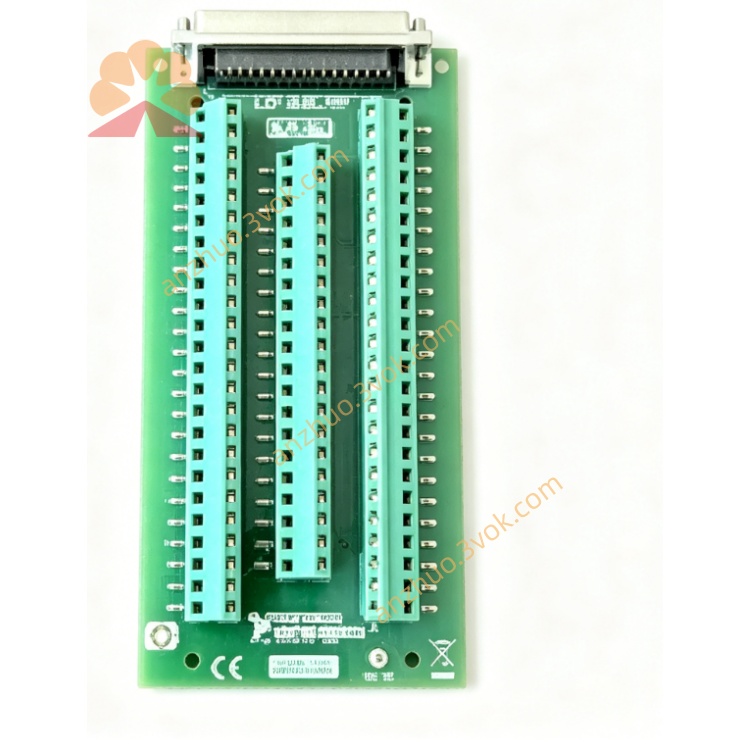
NI CB‑68LPR 68‑Pin Screw‑Terminal Breakout Board
Description
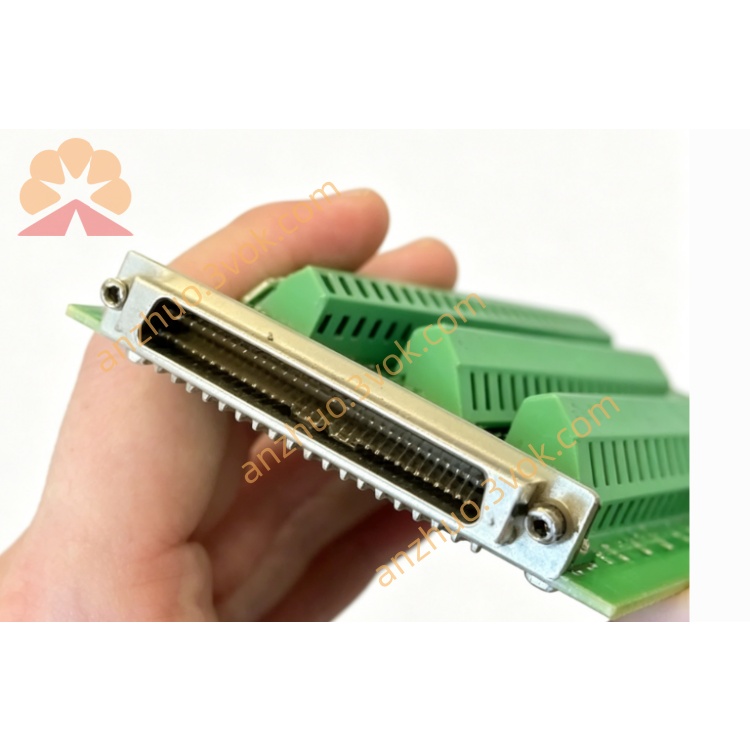
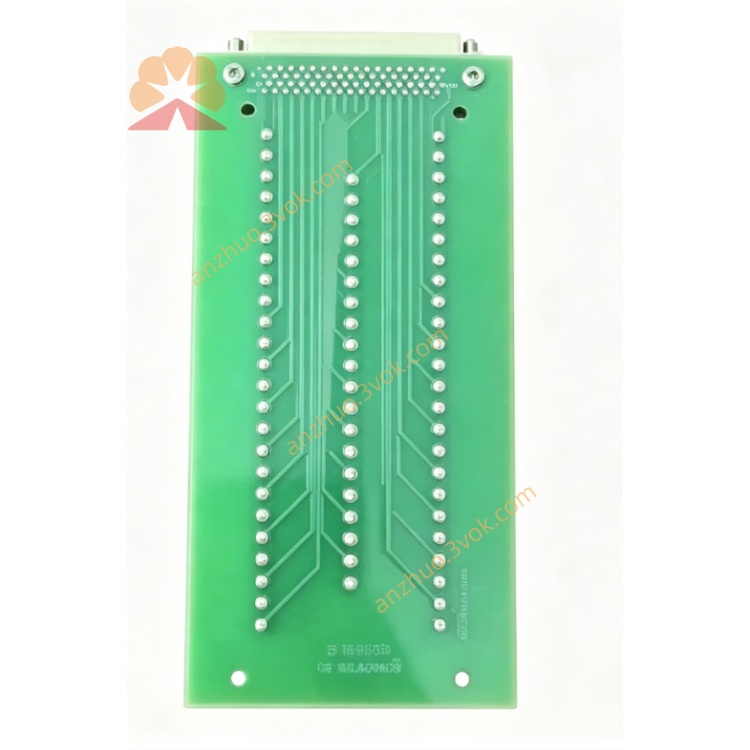
CB-68LPR(NI,PN:777145‑02 / 184700D‑01)
1. Model & Part Number
Model: CB‑68LPR
NI PN: 777145‑02(common);184700D‑01(assembly)
2. Interface & Layout
Front: 68 × screw terminals (24 AWG max, 0.5–1.5 mm²)NI
Rear: Right‑angle 68‑pin male SCSI connector(for 68‑pin shielded/unshielded cables)NI
PCB: Unshielded, green solder mask, through‑hole
Mounting: 4 × metal standoffs(desktop / panel mount)NI
Pinout: 1:1 direct mapping between DAQ 68‑pin and screw terminals
3. Key Specifications
Type: Passive, unshielded
Terminals: 68‑position screw terminalsNI
Connector: 68‑pin male, right‑angleNI
Wire Gauge: 24 AWG maxNI
Operating Temp: 0 °C to 55 °C
Storage Temp: −40 °C to 70 °C
Humidity: 5%–90% non‑condensing
Dimensions: 167.6 × 76.2 × 29.2 mm(6.60 × 3.00 × 1.15 in)
Weight: ~150 g
4. Compatibility
Multifunction:PCI‑6251/6259/6723,PXI‑6289,USB‑6259
Digital I/O:PCI‑6509/6510/6528
Counter/timer:PCI‑6602/6614(via 68‑pin port)
Cables:SH68‑68,SH68‑MUX,or other 68‑pin SCSI cablesNI
5. Main Features
Right‑angle connector: Saves space, improves cable routing(vs CB‑68LP straight)NI
Low‑cost unshielded: For benign EMI environments;use shielded cables for better EMC
Easy wiring: Screw terminals for fast, reliable field connectionsNI
Compact & passive: No power needed;small footprintNI
Desktop/panel mount: Standoffs included for flexible installationNI
6. Applications
General‑purpose analog/digital I/O wiring(sensors, relays, switches)
Counter/timer & trigger signal breakout(non‑critical timing)
Automated test systems(low‑noise environments)
Educational labs & budget‑conscious setups
Industrial control panels(short‑run, unshielded)
Get a Quote