
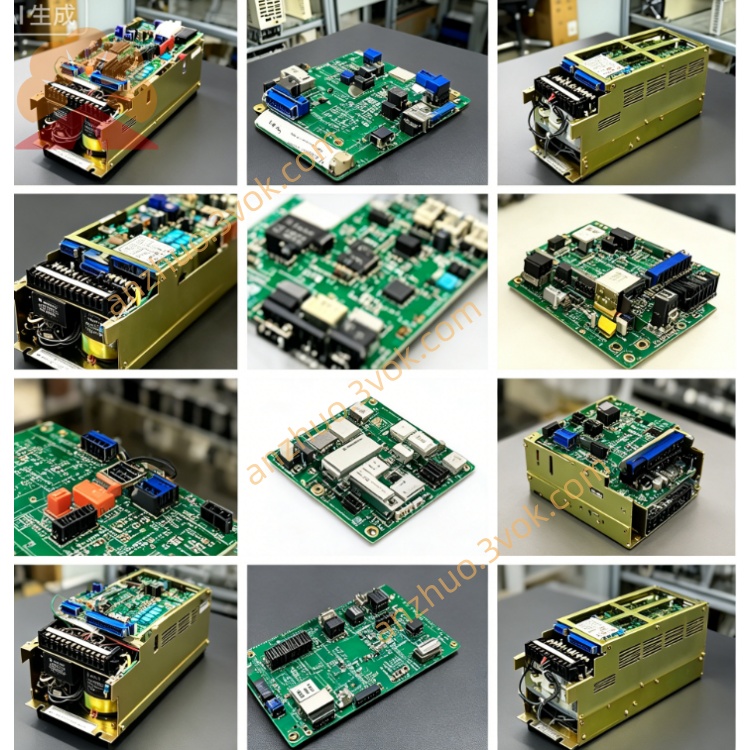
JZNC-XPP02B
JZNC-XPP02B is original YASKAWA Motoman handheld robot teach pendant exclusively developed for XRC2001 series robot controller, a core human-machine operation terminal for classic Motoman industrial robot models including UP6, UP20, EA1400, EA1900 series welding, handling and assembly robots. Equipped with built-in dedicated 32-bit RISC processing chip and independent embedded HMI operating system, this pendant supports three core working modes switched via panel rotary selector switch: Teach Mode, Auto Run Mode and Remote Online Mode. It connects to robot main control cabinet through dedicated multi-core shielded cable, undertaking full functions of manual jog motion control, robot program editing, system parameter modification, fault code inquiry, servo gain setting and production running status monitoring for on-site equipment debugging and routine workshop maintenance. Yaskawa has stopped formal mass production of this model; available market supply includes original unused surplus stock, factory refurbished units and tested second-hand disassembled spare parts for production line old robot replacement maintenance.
Description
1. Product General Introduction
JZNC-XPP02B is original YASKAWA Motoman handheld robot teach pendant exclusively developed for XRC2001 series robot controller, a core human-machine operation terminal for classic Motoman industrial robot models including UP6, UP20, EA1400, EA1900 series welding, handling and assembly robots. Equipped with built-in dedicated 32-bit RISC processing chip and independent embedded HMI operating system, this pendant supports three core working modes switched via panel rotary selector switch: Teach Mode, Auto Run Mode and Remote Online Mode. It connects to robot main control cabinet through dedicated multi-core shielded cable, undertaking full functions of manual jog motion control, robot program editing, system parameter modification, fault code inquiry, servo gain setting and production running status monitoring for on-site equipment debugging and routine workshop maintenance. Yaskawa has stopped formal mass production of this model; available market supply includes original unused surplus stock, factory refurbished units and tested second-hand disassembled spare parts for production line old robot replacement maintenance.
2. Detailed Electrical & Hardware Parameter Specification
Rated working power is DC24V supplied remotely from robot controller cabinet via connecting cable without independent external power supply access, rated operating current is 0.38A with built-in internal overvoltage, overcurrent and short-circuit protection circuit inside power input module to resist instantaneous power grid surge interference.The pendant is fitted with 6.5-inch industrial grade color TFT LCD screen, fixed display resolution at 640×480 pixels, supporting multi-language switching including English, Japanese, German, French and Spanish for global regional application requirements. The integrated key panel consists of total 44 operation keys: 10 numeric input keys, 4 axis direction jog keys, 27 function shortcut keys, 3 screen soft keys matched with display menu, plus dedicated red mushroom-type emergency stop pushbutton and safety deadman enable switch as mandatory safety interlock component; deadman switch cuts off robot servo power output immediately once operator releases the button to avoid accidental mechanical collision during manual teaching operation.Three standard external communication ports are reserved on the pendant side casing: USB interface for offline program backup and program data copy with external storage disk, RS232C serial port for point-to-point communication with upper monitoring computer, and Ethernet port for remote online programming and system firmware upgrade through factory LAN network.Overall outer dimension is 270mm × 180mm × 60mm, net weight reaches approximately 1.5kg; outer shell adopts high-strength wear-resistant industrial engineering plastic with IP54 dustproof and splash-proof structural design to adapt harsh workshop environment with oil mist, cutting fluid splash and metal floating dust.
3. Environmental Adaptation Parameters
Continuous allowable working ambient temperature ranges from 0°C to +50°C; long-term spare storage temperature spans -20°C to +60°C; applicable working relative humidity is 10%~80%RH, no condensation allowed on internal PCB circuit and display component surface during operation. The pendant passes CE and UL industrial electrical safety certification, internal PCB is added with multi-stage electrostatic protection circuit to resist 10KV static shock from workshop operation environment without core chip breakdown. Installation and usage environment must stay away from corrosive chemical gas, dense welding smoke and conductive metal powder to prevent internal circuit corrosion and key contact failure.
4. Core Functional Description
Under Teach Mode, operators can manually jog each robot single axis or compound axis movement, record motion path to compile robot running program, modify workpiece coordinate system and tool calibration parameters, check real-time servo load data and historical fault alarm records; maximum jog speed can be limited below 10% rated speed for safety debugging according to on-site requirement.Under Auto Run Mode, the pendant is only used for program start/stop and pause control, robot runs pre-edited programs at full rated speed automatically according to set circulation logic without manual axis jog authority.Under Remote Mode, realize remote online program download, parameter upload and system remote diagnosis via Ethernet or RS232 communication with upper industrial control computer. Shortcut combination keys support quick access to error log page, origin reset function and gripper opening/closing control to improve programming efficiency.
5. Operation & Daily Maintenance Instructions
Only professionally trained operators are permitted to operate this teach pendant; inspect emergency stop button reset status and deadman switch interlock function completely before every power-on startup of robot equipment to confirm safety protection works normally. During first-time equipment debugging under Teach Mode, reduce robot movement speed to low gear first to prevent misoperation-caused collision accident; switch to Auto running mode only after full program verification and surrounding space safety confirmation.For regular maintenance work, periodically wipe screen surface and key panel to remove accumulated dust, regularly check connecting cable outer insulation layer and plug terminal pins; replace aged or cracked connection cable promptly once poor contact appears to eliminate intermittent communication failure between pendant and control cabinet. Conduct anti-static grounding operation with standard anti-static wristband when disassembling pendant for internal component repair to avoid static electricity damaging onboard control chips and display drive circuit. Store spare pendant in dry constant-temperature cabinet avoiding direct sunlight and damp environment when out of service for long time.
Get a Quote