
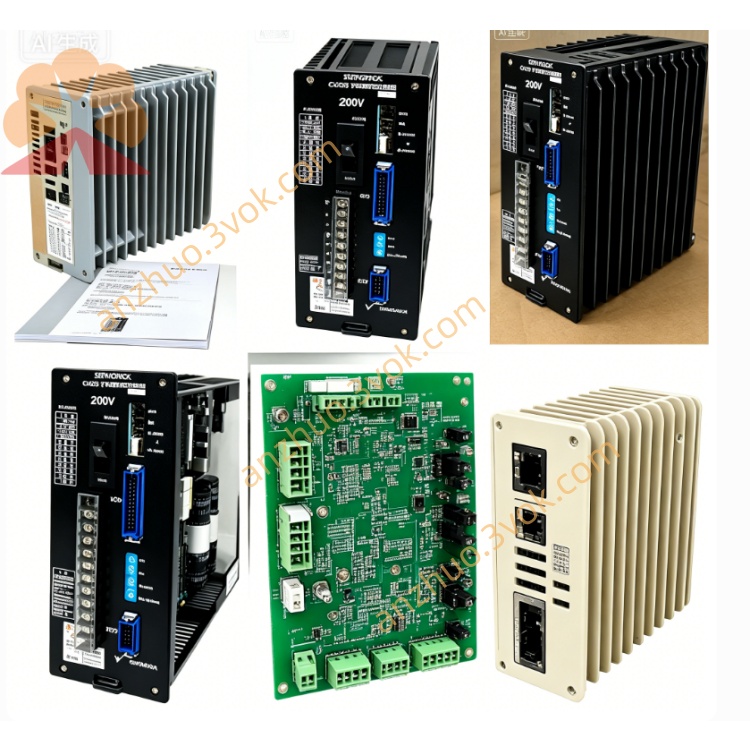
JANCD-GI0
Description
I. Product Overview
Model: JANCD-GI0 (The full model is usually JANCD-GIO0, with GI0 being the abbreviation)
Category: CNC basic input/output interface board
Applicable: YASNAC 2000G / 3000G numerical control system (early simplified configuration)
Position: Signal conversion for machine tool foundation, panel and external device interface
II. Core Functions
Basic digital I/O: Provides 32 input / 32 output (half of GIO01)
Signal isolation: Photocoupling, resistant to industrial interference
Panel interface: Connects operation panel buttons, indicators, handwheel signals
External interaction: Connects travel switches, relays, sensors, etc. (low-voltage signals)
Status indication: Built-in LED displays power and communication status
III. Technical Parameters
Structure: Half-length board card (approx. 220×140mm), gold finger slots
I/O points: 32DI / 32DO (photocoupling, DC24V)
Input specifications: DC24V, 8mA / point, NPN/PNP compatible
Output specifications: DC24V, 0.5A / point, transistor output
Interfaces: I/O terminal block, system bus, status LED
Power supply: Backplane DC5V (logic) + external DC24V (I/O), power consumption approximately 10W
Temperature: Working 0–55℃, storage ‑20–70℃
Weight: Approximately 0.7kg
Compatibility: Compatible with GCP02/GCP02B/GCP03, can coexist with GFG01/GFL01
IV. Differences from GIO01 (GI)
GI0 (GIO0): 32 input / 32 output, simplified version, mostly used for older / economical machines
GI (GIO01): 64 input / 64 output, standard version, double I/O points, more powerful functions
V. Installation and Maintenance
Installation: Insert into the free slot on the right side of the CPU board, tighten the screws; secure the terminal block wiring
Maintenance: Regular dust cleaning; check gold fingers for oxidation; no looseness or burnout of terminals
VI. Common Faults
I/O points no response: Photocoupler damage, terminal contact failure, 24V power supply abnormality
Board not recognized: Gold finger oxidation, bus communication failure, CPU configuration error
Signal interference: Poor grounding, damaged shielding wire, external voltage surge
Get a Quote