
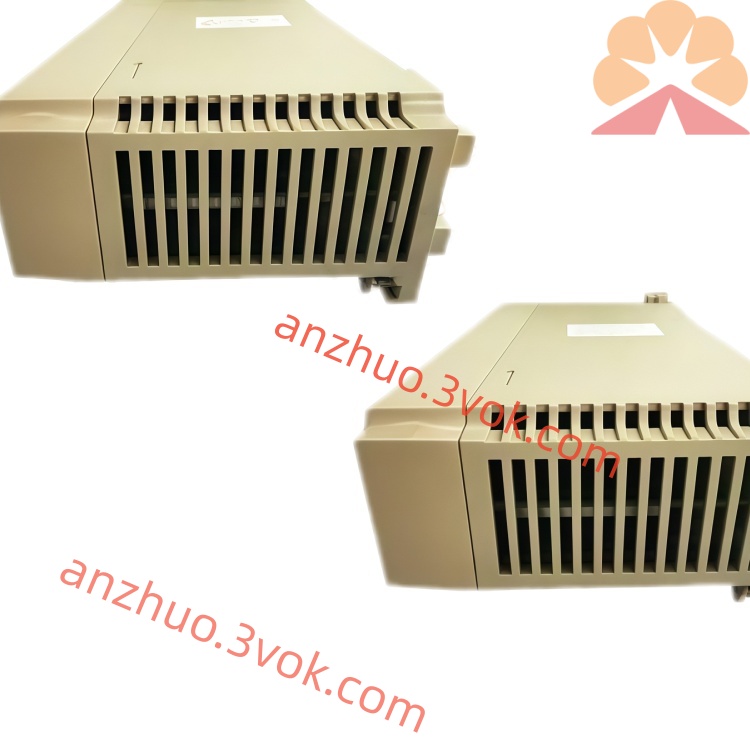
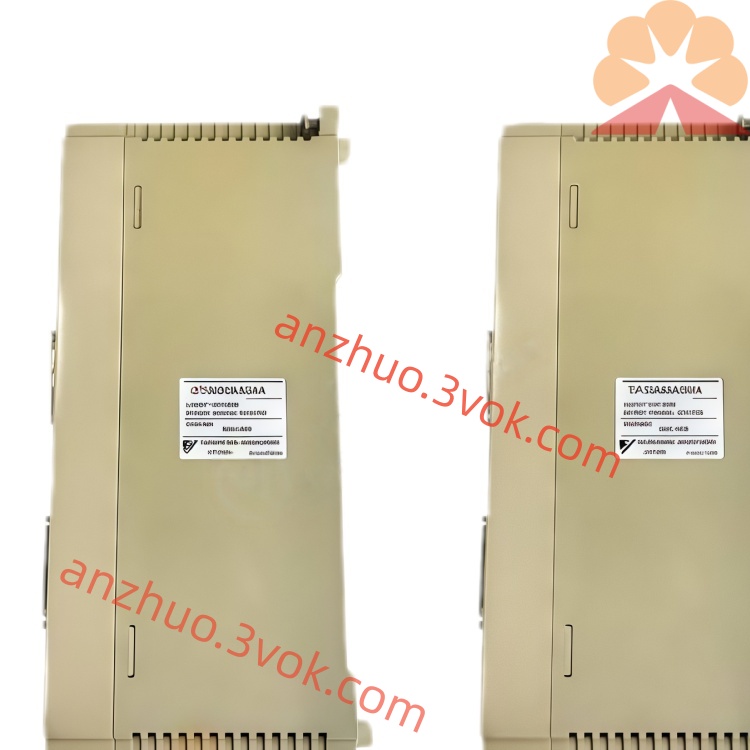
CACR-SR02AB2ER-Y1
Description
CACR-SR02AB2ER-Y1 Complete Parameters + Model Interpretation + Usage Instructions
I. Model Meaning CACR-SR02AB2ER-Y1
CACR-SR: Yaskawa VS-800 old model servo drive
02: Rated power 0.2KW / 200W
AB: Body size, installation specifications, current specifications
2ER: Hardware version + control firmware version
Y1: Customized program version for machine tool manufacturers (non-standard dedicated parameters, the ordinary version cannot be directly substituted)
II. Core electrical specifications
Input power: Three-phase AC 200V - 220V 50/60Hz
Rated capacity: 0.2kW
Rated output current: 2.5A
Instantaneous maximum current: 300% overload capacity
Control mode: Position control / Speed analog quantity control
Cooling method: Natural air cooling (without fan)
Operating environment temperature: 0 - 45℃
Compatible motor: Yaskawa old model 200W servo motor (USAREM / USACEM series)
III. Appearance and structure
The appearance, size, installation holes, and terminal interfaces are exactly the same as CACR-SR02AB1ER and 02AB2ER
Only the nameplate model has an additional -Y1 customization suffix, and the internal firmware parameters are the machine tool-specific fixed program
IV. Terminal Interface Definition (Common to the Series) 1. Main Circuit Terminals R, S, T → Three-phase 200V Input U, V, W → Servo Motor Wiring (+, -) → DC Bus, with the option to connect a braking resistor externally 2. CN1 Control Signal Port Receives Pulse Instructions / ±10V Speed Instructions, Servo Enable, Alarm Output, Position Signal, etc. 3. CN2 Encoder Port Connects to the Servo Motor Encoder, 5V Incremental A/B/Z Signals V. Usage Tips 1. Do not randomly replace the ordinary 2ER with the one with -Y1. It is a custom version for the machine tool. The internal parameters, gains, and logic have been locked. Replacing it with an ordinary version will result in alarms, non-operation, and inaccurate positioning. 2. Normal Power-On Display: Digital Tube Displays 0 for Error Display 1-9, corresponding to overcurrent, overvoltage, undervoltage, overheating, encoder faults, etc. 3. Installation: Fixed on the wall-mounted base, vertical installation, leave space for heat dissipation around.
Get a Quote