
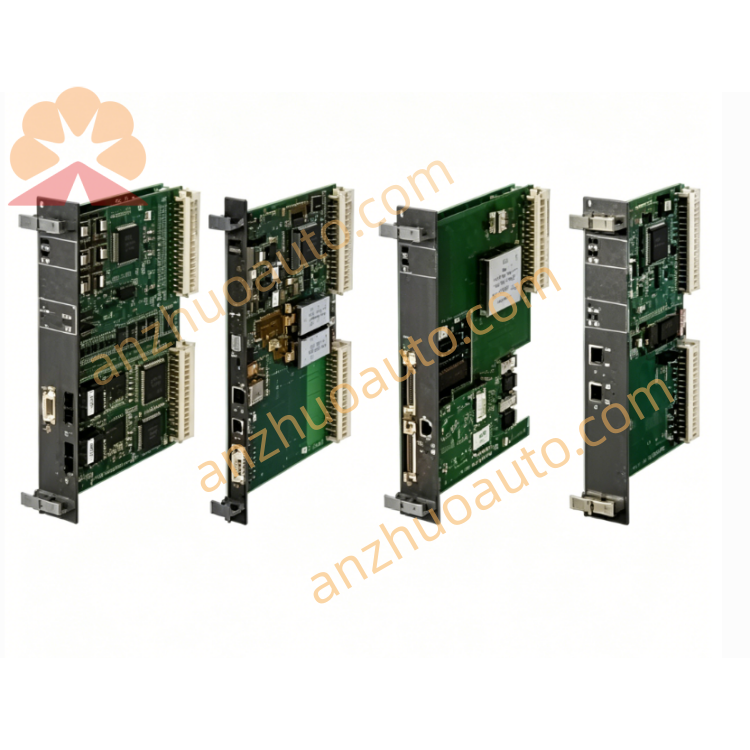
GE IS215UCVDH5AN UCVD Dual-Slot Main Controller Board (N Revision) for Mark VI & Mark VIe Speedtronic Turbine Control System
June 11, 2026

GE IS215UCVDH5AN UCVD Dual-Slot Main Controller Board (N Revision) for Mark VI & Mark VIe Speedtronic Turbine Control System

IS215UCVDH5AN is the N revised version of GE original UCVD series VME main control board, specially designed for Mark VI and Mark VIe gas, steam and combined cycle turbine control racks, manufactured in USA. Equipped with 300MHz AMD K6 real-time processor, 16MB DRAM and 8MB Flash memory, it runs QNX industrial real-time OS to execute full closed-loop safety control algorithms of turbine units. The front panel carries 26 LED diagnostic indicators, integrated DLAN+, dual redundant ISBUS, Genius bus, 10Base-T Ethernet, RS232 COM debugging port and hardware reset button, realizing multi-layer redundant data interaction with PMVP I/O processor boards, local HMI and remote monitoring host. The whole PCB adopts anti-corrosion conformal coating and reinforced anti-vibration circuit layout, supporting triple redundant hot backup deployment. It stably operates within 0℃~60℃ working temperature and 10%–95% non-condensing humidity, compliant with Class I Division 2 hazardous area standards. Widely deployed in thermal power plants, oil & gas compressor stations and heavy industrial rotating machinery control systems with ultra-high safety and low-latency operation demands.

Description

1. Product Overview

IS215UCVDH5AN is the core central computing unit of GE Mark VI/VIe distributed turbine control rack, belonging to the upgraded N revision of base model IS215UCVDH5A, optimized for bus communication stability and high-temperature cabinet adaptability. Its core responsibilities include collecting all field digital and analog signals via multi-type industrial buses, completing real-time logic operation, valve position closed-loop regulation, overspeed protection and unit interlock judgment, distributing control commands to each I/O processing module, and uploading operating parameters, trend data and fault records to upper monitoring system. Multi-group redundant communication bus design thoroughly eliminates single-point failure risks of turbine safety critical loops. The dense LED array on the front panel provides visual real-time diagnosis of power supply, running status, each bus link and hardware abnormal faults. Conformal coating technology effectively isolates dust, moisture and corrosive gas in turbine room cabinets, and the reinforced PCB anti-vibration structure ensures continuous long-term stable operation under mechanical vibration; triple parallel installation can be realized to meet power plant high-reliability safety standards.

2. Core Technical Specifications

  1. Computing Core Configuration

  • Main Processor: 300MHz AMD K6 embedded real-time CPU

  • Memory: 16MB DRAM for real-time data cache, 8MB Flash for firmware & control logic storage

  • Operating System: Preloaded QNX real-time industrial operating system

  1. Complete Communication Interfaces

  • 1 × DLAN+ internal high-speed system bus

  • Dual redundant ISBUS channels for I/O data transmission

  • Dual Genius bus terminals for field equipment signal interaction

  • 10Base-T Ethernet port for HMI, remote monitoring and Modbus TCP communication

  • RS232 COM serial debugging port for offline program download and fault reading

  • Independent hardware reset push button

  1. Electrical Power Parameters

  • Standard VME rack multi-voltage power supply: +5VDC 6.08A, +12VDC 900mA, -12VDC 200mA

  • Built-in overvoltage, overcurrent, reverse connection and surge protection circuits

  1. Environmental & Safety Ratings

  • Operating Temperature: 0℃ ~ +60℃

  • Storage Temperature: -30℃ ~ +70℃

  • Relative Humidity: 10%–95% RH, non-condensing

  • Hazardous Certification: Class I Division 2

  • PCB Protection: Full-board conformal anti-moisture, dust-proof, anti-corrosion coating

  1. Mechanical Parameters

  • Installation: Standard VME dual-slot rack mounting

  • Overall Dimension: 266.7 × 196.85 × 88.9 mm

  • Net Weight: Approx. 1.2kg

  • Origin: Salem, Virginia, USA

  1. Warranty: 12-month factory full warranty for brand-new original N revision boards

3. Front Panel Functional Description

  1. 26-Point LED Diagnostic Indicator Area

  • Power LED: Steady green = normal power input; Off = power supply interruption or polarity error

  • Run LED: Slow green flicker = normal control cycle operation; Fast flicker = firmware upgrade in progress

  • Fault LED: Solid red = fatal hardware fault; Amber flashing = minor system warning or channel abnormality

  • Bus Status LEDs: Corresponding light periodic flicker means DLAN+/ISBUS/Genius/Ethernet bus data transmission normal

  1. Communication Port Zone

  • Ethernet RJ45: Connect local operation touch screen and remote monitoring server

  • DLAN+, ISBUS, Genius terminals: Internal bus wiring matched with PMVP I/O processor boards

  • RS232 COM Port: Connect dedicated handheld debugger for offline parameter configuration and fault log export

  1. Hardware Reset Button

    Manual forced restart key, used to recover abnormal program crash without cutting off the whole rack power supply

4. Standard Installation Operating Steps

Step 1 Cabinet Preparatory Work
Install standard GE VME control rack, reserve two adjacent empty slots for IS215UCVDH5AN main control board. Reserve at least 5cm ventilation gap around the module to avoid heat accumulation under full-load operation, and confirm cabinet cooling and dehumidification equipment works normally.
Step 2 Board Insertion and Fixed Locking
Align the main control board with VME slot guide rails, push the board fully inward until the front panel fits flush with the rack surface. Tighten two locking screws on both sides of the panel to prevent displacement caused by unit operation vibration. Multiple boards can be installed side by side to build triple redundant hot backup control architecture.
Step 3 Internal Bus Wiring Operation
  1. Connect DLAN+, dual ISBUS and Genius bus shielded cables between IS215UCVDH5AN and each PMVP I/O processing board;

  2. Insert industrial shielded Ethernet cable into front Ethernet port to link monitoring HMI;

  3. Connect RS232 debugging cable to COM port if offline maintenance and program modification are required;

  4. Confirm VME rack multi-voltage power wiring is correctly connected without short circuit or polarity reversal risk.

Step 4 Pre-Power-On Comprehensive Inspection
Check all bus connectors are fully inserted and locked, no cable extrusion, aging or wire breakage. Only original GE certified shielded industrial communication cables can be used to suppress strong electromagnetic interference in turbine rooms. Recheck internal rack wiring to eliminate hidden short-circuit points before powering on.
Step 5 Power-On Commissioning & Acceptance
Switch on the whole VME rack DC power supply. Observe Power LED keep steady green, Run LED flicker slowly, and all bus status LEDs flash alternately normally. Connect debugging equipment through COM port to verify board address, control firmware integrity and all communication link states; the installation acceptance is completed after all operating indexes meet standard requirements.

5. Daily Operation & Standard Maintenance Rules

  1. Normal Operation Judgment Standard

    All front panel LED indicators run in specified normal state, no long-term solid red fault alarm; turbine control HMI displays no communication interruption, signal loss, control logic deviation or safety interlock false alarm.

  2. Regular Inspection Checklist

  • Shift Inspection: Record all LED indicator states and abnormal alarm codes in operation log;

  • Monthly Maintenance: Blow dust on board ventilation gaps with dry compressed air blower to prevent heat dissipation blockage;

  • Quarterly Inspection: Retighten all bus wiring terminals, inspect connector oxidation, cable aging and shielding layer damage.

  1. Cabinet Environmental Maintenance

    Keep control cabinet fully sealed with dehumidifier running continuously; isolate corrosive gas, conductive metal dust and water vapor outside the rack installation area to extend board service life.

6. Common Fault Diagnosis & Troubleshooting

Fault 1: Power LED always off
Possible Causes: VME rack multi-voltage power supply cut off, power wiring polarity reversed, internal power circuit burned out
Solutions: Test rack +5V/+12V/-12V output voltage; rewire power terminals in correct polarity; replace the board if internal power hardware suffers permanent damage.
Fault 2: Red Fault LED keeps steady on
Possible Causes: Internal bus short circuit, firmware file corruption, main processor hardware failure
Solutions: Disconnect each bus cable one by one to locate short-circuit fault point; re-flash official matched N revision firmware via RS232 COM port; replace the main control board for irreparable hardware breakdown.
Fault 3: Single bus LED does not light up, corresponding communication channel disconnected
Possible Causes: Matched bus cable loose or damaged, bus interface circuit chip failure
Solutions: Re-plug or replace original shielded bus cable; test communication circuit through serial debugging tool; replace board if interface hardware is damaged.
Fault 4: Run LED flashes rapidly and turbine control logic disorder
Possible Causes: Firmware upgrade interrupted without completion, cabinet internal temperature exceeds 60℃ long-term
Solutions: Complete full firmware upgrade process without power cut during updating; start cabinet forced cooling equipment to lower ambient operating temperature.
Fault 5: RS232 COM port no debugging communication response
Possible Causes: Port metal contacts covered by dust, unmatched non-original debugging cable, board operating system crash
Solutions: Wipe COM port contacts with clean soft cloth; adopt GE official dedicated debugging cable; press hardware reset button to restart the board and restore basic running program.

7. Mandatory Safety Operation Precautions

  1. Cut off all multi-voltage DC power of the entire VME rack before any board disassembly, wiring or maintenance work, to avoid electric shock and full system communication collapse leading to turbine safety risk.

  2. Only matched original GE PMVP I/O processor boards and factory certified shielded bus cables are allowed for connection; uncertified third-party accessories will void the official factory warranty.

  3. Immediately shut down turbine unit and activate cabinet cooling system once internal cabinet temperature exceeds 60℃; long-term over-temperature operation will cause irreversible burnout of the main control PCB circuit.

  4. Unauthorized disassembly of board metal shielding cover and internal precision components is strictly prohibited; hardware damage caused by private disassembly is not covered under warranty.

  5. Anti-static and shockproof special packaging must be adopted for product transportation and storage; avoid heavy collision, extrusion and static discharge to protect internal 300MHz processor and memory chips.

  6. This N revision main control board undertakes all core safety closed-loop control functions of gas/steam turbine units. All replacement, firmware debugging and fault maintenance operations must be operated by certified GE industrial control professional technicians with turbine safety operation qualification.

8. Long-Term Standard Storage Requirements

Store IS215UCVDH5AN in dry, ventilated constant-temperature warehouse, storage temperature range -30℃ ~ +70℃, relative humidity controlled below 80%. Keep away from chemical corrosives, heavy stacking pressure and mechanical impact. Boards stored for more than 6 months must complete full communication, firmware integrity and control function testing before formal rack installation.


Get a Quote