
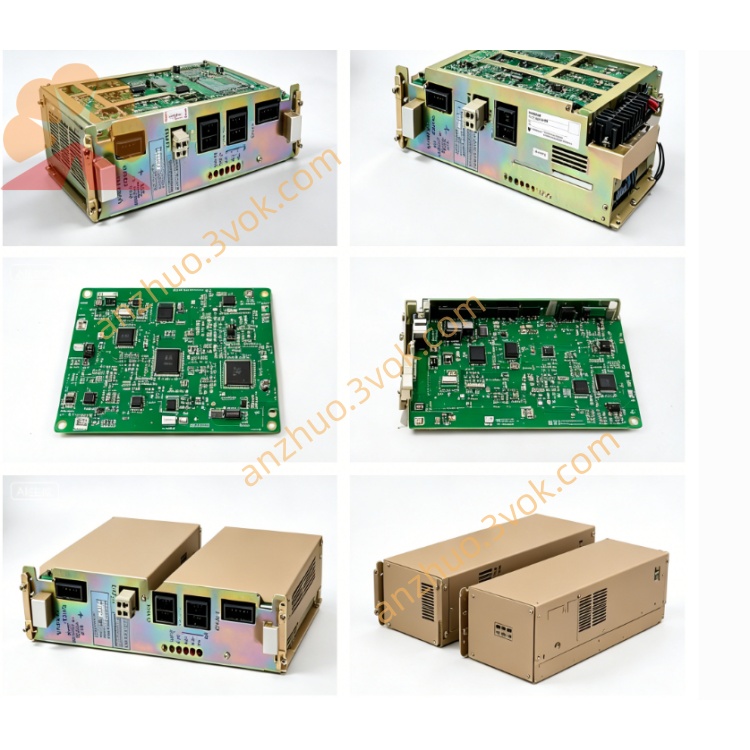
CACR-PR20BCAF
CACR-PR15BCAF is Yaskawa M-series rack-type servo drive with rated power 1.5kW. It accepts 3-phase AC 200V~230V input and supports three closed-loop control modes: position control, speed control and torque control. This drive is compatible with USAEMD and USAFED series servo motors fitted with incremental encoders. Its protection class is IP20 and it shall only be mounted inside control cabinets for indoor use.
Description
1. PRODUCT DESCRIPTION
CACR-PR15BCAF is Yaskawa M-series rack-type servo drive with rated power 1.5kW. It accepts 3-phase AC 200V~230V input and supports three closed-loop control modes: position control, speed control and torque control. This drive is compatible with USAEMD and USAFED series servo motors fitted with incremental encoders. Its protection class is IP20 and it shall only be mounted inside control cabinets for indoor use.
2. ENVIRONMENT REQUIREMENTS
Operating ambient temperature: 0°C ~ 40°C. Storage temperature: -20°C ~ 65°C. Relative humidity ranges from 5% to 90% with no condensation allowed. Rated working altitude is under 1000m above sea level; derate output capacity when operating above this altitude.
3. MAIN POWER TERMINAL DEFINITION
Terminals R, S, T are for 3-phase AC main power input. Terminals U, V, W connect to servo motor main power lines. The positive and negative terminals are used for external regenerative resistor connection. PE terminal must be securely connected to protective earth ground.
4. CONTROL CONNECTOR FUNCTION
CN1 is encoder connector for A/B/Z phase signals and +5V encoder power supply wiring. CN2 is I/O signal connector, receiving position pulse command, servo enable, alarm reset and analog speed/torque input, and outputting fault signal. CN3 is serial communication interface with RS232 and RS485, available for parameter reading and modification via SigmaWin software and upper computer.
5. INSTALLATION & OPERATION NOTES
Separate power cables and control cables to avoid electromagnetic interference. Double-check all wiring and grounding before power-up. Set matched motor parameters before trial operation. When an alarm appears, troubleshoot wiring, load or parameter errors based on fault codes.
Get a Quote