
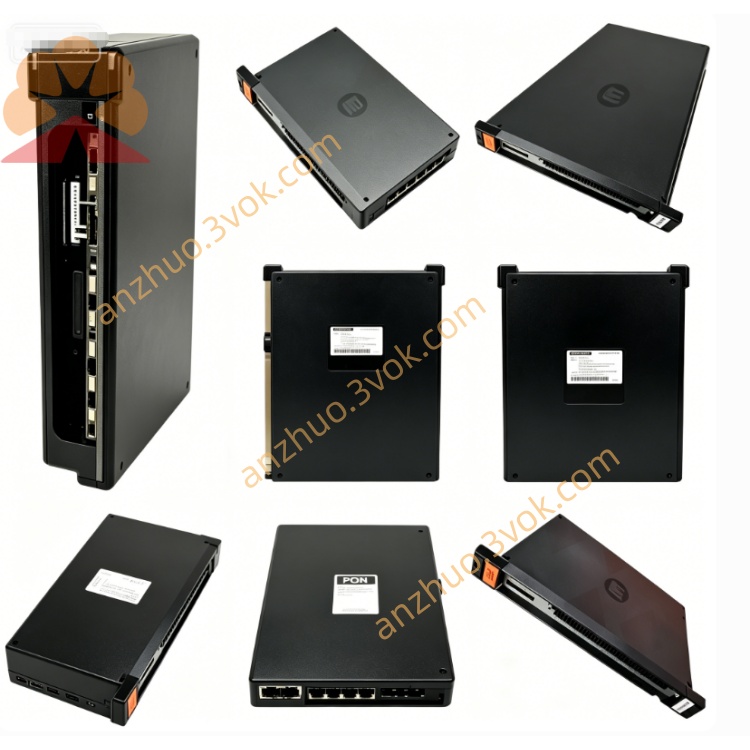
RELIANCE 57C-440A revised Ethernet communication interface module
57C-440A is a revised Ethernet communication interface module for Reliance AutoMax distributed control system. It works cooperatively with AutoMax main processor modules such as 57C435A to convert proprietary rack backplane bus signals into standard industrial Ethernet signals. This upgraded A-version hardware enhances surge suppression and circuit stability compared with basic 57C440 version, serving as the essential network gateway to link local control rack with upper-level SCADA network and third-party automation devices. The module follows standard plug-in layout designed for AutoMax system backplane slots, and each control rack can install up to two units for redundant network setup.
Description
Product Introduction
57C-440A is a revised Ethernet communication interface module for Reliance AutoMax distributed control system. It works cooperatively with AutoMax main processor modules such as 57C435A to convert proprietary rack backplane bus signals into standard industrial Ethernet signals. This upgraded A-version hardware enhances surge suppression and circuit stability compared with basic 57C440 version, serving as the essential network gateway to link local control rack with upper-level SCADA network and third-party automation devices. The module follows standard plug-in layout designed for AutoMax system backplane slots, and each control rack can install up to two units for redundant network setup.
Model Definition
57C represents the general part prefix of Reliance AutoMax series plug-in functional modules. 440 is the fixed item number assigned to AutoMax dedicated Ethernet communication card. Suffix A denotes factory hardware revision with optimized PCB routing, upgraded communication IC and reinforced on-board surge protection components.
Technical Specifications
The module draws rated 5 VDC operating power directly from rack backplane, with allowable input voltage ranging from 4.75 VDC to 5.25 VDC and typical operating current near 640 mA. Its RJ45 network port supports 10 Mbps and 100 Mbps auto-negotiation for full-duplex or half-duplex transmission, with unique factory programmed MAC address stored inside onboard nonvolatile memory. Operating ambient temperature covers 0 degree Celsius to 55 degree Celsius, storage temperature ranges from minus 25 degree Celsius to 70 degree Celsius, applicable working humidity keeps between 5 percent and 95 percent under non-condensing environment. Complete industrial EMC shielding is integrated to counter electromagnetic interference generated by on-site large motors and frequency converters.
Interface and Communication Configuration
Backplane gold-finger connector establishes high-speed data interaction with rack CPU and all internal I/O modules via AutoMax proprietary backplane bus. A front-mounted RS232 debug port is reserved for local IP assignment, protocol configuration and offline fault troubleshooting. Standard RJ45 interface accepts industrial twisted pair wiring, and external matching fiber transceiver can be fitted to realize long-distance fiber communication. Supported mainstream communication protocols include Modbus TCP and EtherNet/IP to achieve cross-platform data exchange with external PLC systems and central monitoring hosts. One onboard LED named CARD OK continuously indicates module power status and normal running condition.
Core Functions
It performs bidirectional protocol conversion between internal private backplane bus and standard Ethernet, uploading real-time operational data from main controller to factory LAN and converting downlink remote control commands into recognizable bus signals for main processor execution. Continuous automatic link monitoring is enabled to mark internal fault status and protect cached data once cable break or communication error occurs. Multiple separate AutoMax control racks can build distributed network through this module to finish cross-station parameter synchronization and equipment interlock signal transmission. Remote program download, online data acquisition and remote fault diagnosis from upper monitoring workstation are available through established Ethernet channel.
Application Scenarios
It is mainly used for network transformation of legacy AutoMax control cabinets on metallurgical rolling lines, bulk material conveyor systems and large textile processing machines. Common application fields also include centralized monitoring reform of pump and fan interlock control in water treatment plants, auxiliary process DCS networking upgrade in chemical workshops, and networking modification for printing and packaging automated production lines to connect local control units to factory central SCADA system. It also serves matching renovation projects of old Reliance variable frequency drive supporting control panels.
Operation and Maintenance Instructions
Cut off full rack power supply before installation, visually inspect circuit board for damaged pins, dropped components or corrosion, insert module into specified empty slot and lock front fixing latch firmly against vibration induced loose contact. Complete IP address and protocol parameter setup via front RS232 interface after installation, run short time no-load communication test to confirm stable data transmission between module, main CPU and upper network devices before formal system startup. Periodic maintenance shall be executed under power-off status, remove accumulated dust on shell and ventilation gaps with dry compressed air. Hot plugging is strictly forbidden when rack remains powered to avoid backplane short circuit damage. Persistent abnormal LED blinking or frequent network disconnection requires power isolation and professional circuit inspection instead of unauthorized self-disassembly.
Get a Quote