
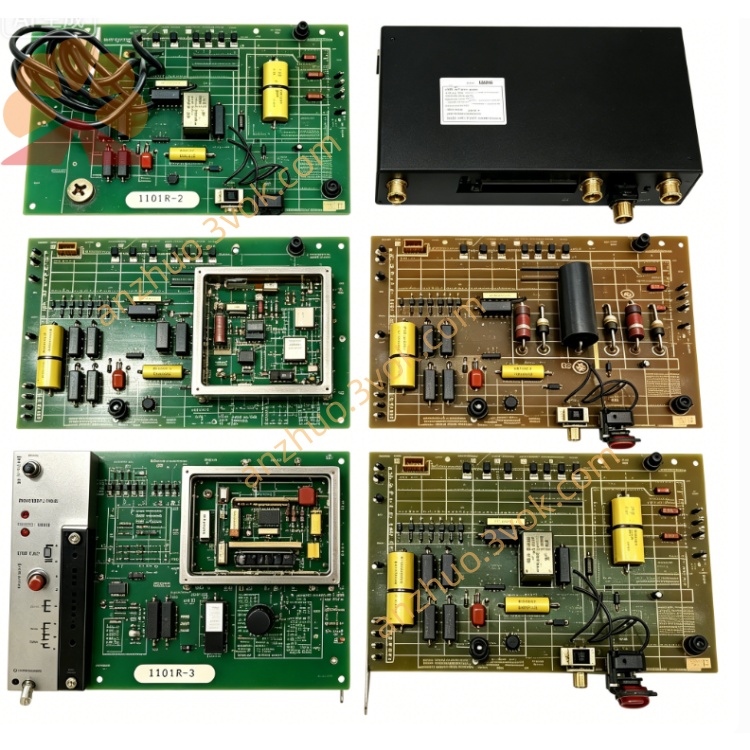
RELIANCE 60023-1A power module interface card
60023-1A is a power module interface card belonging to Reliance AutoMax AC/DC drive control system, serving as intermediate signal transfer unit between main control board and power thyristor power module. It converts control logic signal into drive signal for power unit and feeds back power loop working state to upper master control circuit. Original production has been discontinued permanently, available goods on market are surplus original unused modules and professionally refurbished products for old drive cabinet maintenance and field replacement.
Description
Product Introduction
60023-1A is a power module interface card belonging to Reliance AutoMax AC/DC drive control system, serving as intermediate signal transfer unit between main control board and power thyristor power module. It converts control logic signal into drive signal for power unit and feeds back power loop working state to upper master control circuit. Original production has been discontinued permanently, available goods on market are surplus original unused modules and professionally refurbished products for old drive cabinet maintenance and field replacement.
Model Definition
60023 stands for fixed serial code of Reliance AutoMax power interface series board; suffix 1A represents first revised version of hardware circuit, optimized internal signal isolation and anti-interference design compared with base 60023-1 model, consistent with original rack installation size and backplane compatibility.
Technical Specifications
Working power is supplied from rack backplane with rated input of +5VDC and ±15VDC, rated power consumption around 11W. Working ambient temperature ranges from 0℃ to +60℃, storage temperature -40℃~+85℃, applicable working humidity 5%~93% non-condensing. Onboard equipped with multi-group isolation optocoupler, more than sixty pieces of IC components including single-chip microcontroller and precision discrete components, built-in overvoltage, overcurrent and short-circuit hardware protection logic, threshold value of DC bus monitoring fixed at 50VDC for internal switch action judgment.
Interface and Communication Configuration
Rear side adopts golden finger connector to plug into AutoMax standard rack backplane for power supply and internal bus data exchange with system mainboard. Front panel installs JTII labeled female aviation terminal and matching male terminal, respectively for external power module control wiring and feedback signal access. No independent external communication interface, fault information and running data are transmitted to upper CPU module via backplane internal bus, two status indicator LEDs reserved on panel to display braking current and bus voltage operating status separately.
Core Functions
Complete electrical isolation between low-voltage control circuit and high-voltage power loop to avoid high voltage backflow damaging main control components. Receive phase-shift trigger command from main control board, condition and amplify signal to drive thyristor power module for on-off control. Real-time collect DC bus voltage and motor braking current feedback signal, control built-in transistor switch S1-2 to open or close according to preset 50VDC bus threshold and braking current state. Upload abnormal power parameter signal to master control board to trigger system protection when power module runs abnormally.
Application Scenarios
Matched with Reliance AutoMax series DC and AC speed governors, widely used for drive cabinet maintenance of metallurgical rolling mill, papermaking dryer transmission, rubber refining equipment and mining hoist main motor control cabinet, specially applied to old equipment spare part replacement for imported original drive system reconstruction project.
Operation and Maintenance Instructions
Cut off total power of control cabinet and wait for full discharge of internal bus capacitance before plugging or pulling out module, fasten front panel locking screws after installation to prevent poor contact caused by long-term equipment vibration. Avoid installation location with dense oil mist, corrosive gas and excessive high temperature environment. Implement half-yearly power-off maintenance, remove accumulated dust on PCB with dry compressed air and check front terminal wiring pin oxidation condition. Forbid random replacement of onboard original components; replace whole module directly after eliminating external wiring failure when internal circuit malfunction occurs.
Get a Quote