
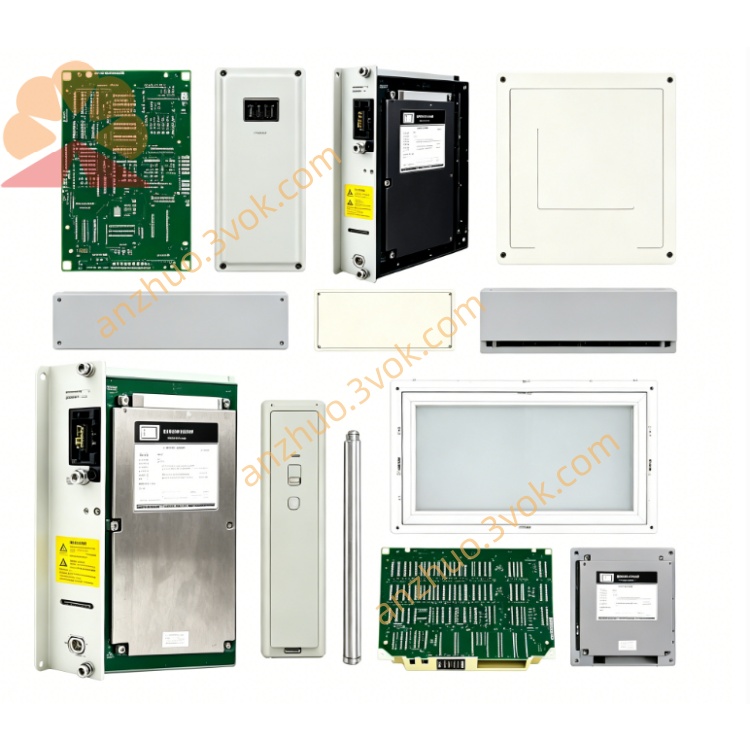
Honeywell 51195752-100
Description
Model Explanation
51195752: Base part number for TDC3000 dual-node CPU series
-100: Standard hardware revision, original dual-node design
Technical Parameters
Device Type: Dual-node processor (CPU) module
Compatibility: Honeywell TDC3000 / TPS systems
Processor: High-speed 32-bit microprocessor
Memory: On-board RAM/ROM for control logic and data
Power Supply: +5VDC, ±12VDC from backplane
Operating Temperature: 0°C to +60°C
Humidity: 5%–95%, non-condensing
Form Factor: Standard TDC3000 chassis slot
Weight: Approx. 0.5 kg
Interface & Communication Configuration
Internal Interface: Gold finger connector for TDC3000 backplane bus
Node Communication: High-speed link for dual-node redundancy
System Bus: TDC3000 dedicated control and I/O bus
Status Indicators: LEDs for Run, Fault, Active, and Sync
Redundancy: Supports 1:1 dual-node redundant operation
Core Functions
Dual-Node Control: Manages two synchronized control nodes for fault tolerance
High-Speed Processing: Executes complex control algorithms and data acquisition
Redundancy Management: Auto-sync and switchover between primary/secondary nodes
System Coordination: Orchestrates I/O modules, communication, and system diagnostics
Fault Diagnosis: Real-time monitoring and reporting of module/system faults
Application Scope
Honeywell TDC3000 / TPS distributed control systems
Process industries: chemical, power generation, oil & gas, metallurgy
Critical control loops requiring high availability and redundancy
System upgrades, replacements, and spare CPU modules for legacy DCS
Operation & Maintenance Instructions
Install only with system fully powered off; observe ESD precautions
Verify LED status (Run/Active) after power-on for normal operation
Periodically clean connectors and check for loose backplane connections
Avoid strong EMI, moisture, and extreme temperatures
Keep a spare module for critical dual-node systems to minimize downtime
Get a Quote