
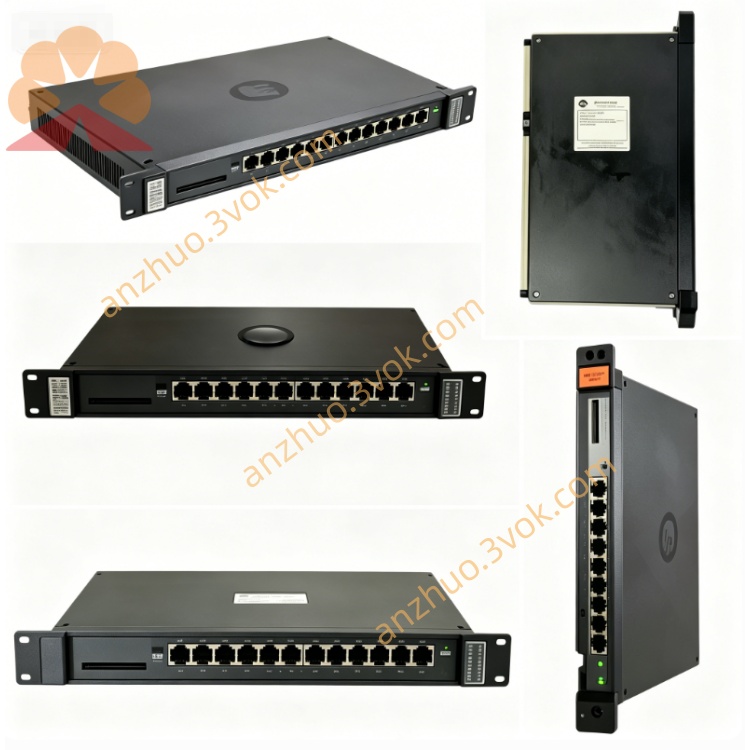
RELIANCE 57459-1 16-channel analog input module
The RELIANCE 57459-1 is a 16-channel analog input module developed for the AutoMax DCS 5000 control platform. It is designed to receive analog voltage signals from various field sensors and convert them into digital data for the main controller. Adopting industrial-grade circuit design, the module features reliable signal collection, built-in electrical isolation and strong anti-interference performance, and can operate stably for a long time in complex industrial control environments.
Description
Product Overview
The RELIANCE 57459-1 is a 16-channel analog input module developed for the AutoMax DCS 5000 control platform. It is designed to receive analog voltage signals from various field sensors and convert them into digital data for the main controller. Adopting industrial-grade circuit design, the module features reliable signal collection, built-in electrical isolation and strong anti-interference performance, and can operate stably for a long time in complex industrial control environments.
Model Definition
RELIANCE is the brand of the industrial control module. 57459 stands for the dedicated series of high-density analog input modules for AutoMax systems. The suffix 1 represents the standard hardware revision of this model, which defines the fixed circuit layout, channel configuration and basic electrical specifications of the module.
Technical Parameters
This module is equipped with 16 single-ended analog input channels. The standard input voltage range is plus or minus 10 volts DC. It adopts 12-bit analog-to-digital conversion chip with a single channel conversion time of 100 microseconds. The module is powered by 5 VDC from the rack backplane with a working current of approximately 400 milliamps. It provides isolation protection between each signal channel and the backplane with a withstand voltage of 250 Vrms. The normal operating temperature ranges from 0 degrees Celsius to 60 degrees Celsius. It is equipped with power indicator and fault indicator on the front side, and follows standard single-slot installation specification for AutoMax racks.
Interface and Communication Configuration
The module connects to the AutoMax rack backplane to obtain working power and complete internal data transmission with the main controller. A dedicated terminal block is arranged for on-site signal wiring, which corresponds to 16 analog input channels respectively. There are no extra physical switches on the module, and all channel functions and working modes are configured through upper control software. It does not support independent external communication protocols, and all signal data is transmitted to the system via the rack backplane.
Core Functions
It mainly completes analog signal acquisition and analog-to-digital conversion, converting field analog voltage signals into digital signals that the controller can recognize. The internal isolation design effectively prevents abnormal voltage and current on the field side from affecting the main control system. It continuously scans each input channel and updates data in real time. The module can detect abnormal working states such as signal over range, under range and open circuit, and feed back fault information through indicators and system diagnosis functions.
Application Scenarios
This module is widely applied in various industrial automation and process control systems matched with AutoMax DCS 5000 platform. It is commonly used in steel processing, papermaking, material handling and mechanical manufacturing industries. It is suitable for collecting signals from temperature, pressure, flow and other analog sensors on production lines, and deployed in central control cabinets and on-site control boxes of various continuous production equipment.
Operation and Maintenance Instructions
Check the module appearance for damage before installation, and insert it into the designated slot of the rack after cutting off the system power supply. Complete field sensor wiring in accordance with signal definitions of terminal blocks. Keep the installation environment dry and well ventilated during operation, and avoid long-term exposure to dust and corrosive gas. Regularly check wiring terminals for looseness and aging. When a fault occurs, cut off the power first for inspection and troubleshooting. Do not disassemble the internal structure of the module without permission. Replace it with the same model in time if permanent failure appears to ensure the normal operation of the whole control system.
Get a Quote