
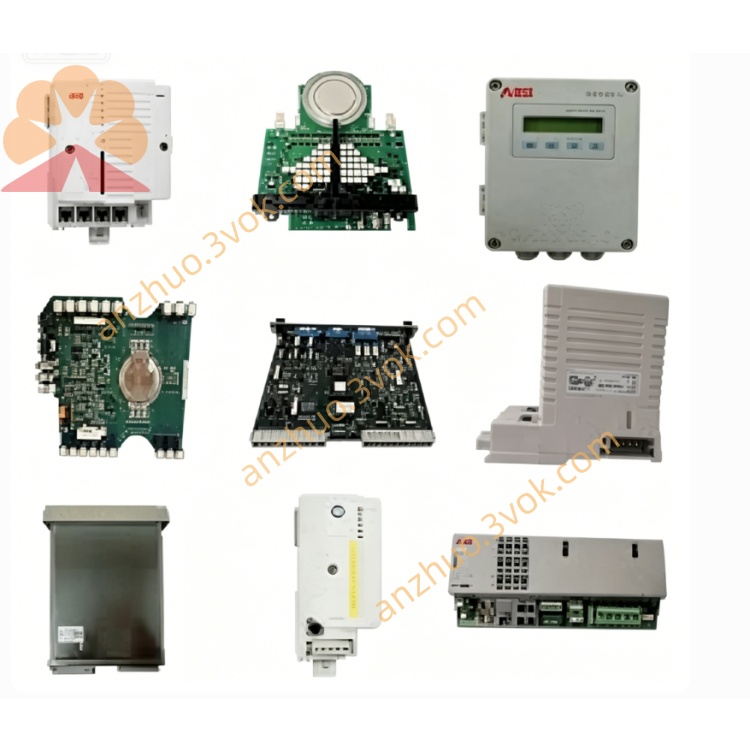
ABB PFTL‑301E‑.5KN miniature pillow‑block tension sensor
ABB PFTL-301E-.5KN is a compact pillow-block tension sensor adopting Pressductor magnetoelastic technology. It is designed to measure horizontal tension on material processing lines and can effectively exclude interference caused by roller weight. The sensor features a fully sealed stainless steel structure with high rigidity, high precision and long-term stable performance. This model is rated for 0.5 kilonewton load, suitable for light and medium tension working conditions, and normally works with supporting signal amplifiers in industrial environments.
Description
Product Introduction
ABB PFTL-301E-.5KN is a compact pillow-block tension sensor adopting Pressductor magnetoelastic technology. It is designed to measure horizontal tension on material processing lines and can effectively exclude interference caused by roller weight. The sensor features a fully sealed stainless steel structure with high rigidity, high precision and long-term stable performance. This model is rated for 0.5 kilonewton load, suitable for light and medium tension working conditions, and normally works with supporting signal amplifiers in industrial environments.
Model Interpretation
PF stands for ABB Pressductor force measurement series. TL means tension load cell. 301 represents the compact type horizontal pillow-block tension sensor series. E refers to the version with factory fixed integrated cable. .5KN indicates the nominal measuring load of 0.5 kilonewton. This complete model code is used for product identification and inventory management.
Technical Parameters
This sensor works based on magnetoelastic measuring principle. The nominal full scale load is 0.5 kilonewton. It can bear 150 percent extended load and 300 percent ultimate load without damage. The overall measurement accuracy is high with small error range. The applicable excitation voltage ranges from 5 volts DC to 15 volts DC. The operating temperature ranges from minus 20 degrees Celsius to 60 degrees Celsius. The protection class reaches IP65. The shell is made of stainless steel, and the internal insulation resistance stays at a high standard. It adopts standard pillow-block mounting method.
Interface and Communication Configuration
The sensor is equipped with factory fixed shielded cable for signal transmission, without external detachable connector. It directly outputs millivolt bridge signals. When connected with a matched tension amplifier, it can convert signals into standard analog outputs such as 4 to 20 milliamps and 0 to 10 volts. It can also access mainstream industrial fieldbus for digital data transmission. Signal cables shall be arranged separately from power cables to reduce electromagnetic interference.
Core Functions
It realizes accurate real-time detection of horizontal tension of running materials. It removes the impact of roller weight to ensure pure tension measurement results. Built-in temperature compensation circuit reduces signal drift caused by temperature changes. The product has excellent overload and shock resistance to adapt to dynamic operating conditions. The sealed structure prevents dust and liquid from entering the internal components. It can cooperate with control systems to complete closed-loop tension control.
Application Scenarios
It is widely used for tension detection on papermaking production lines. It applies to processing lines of plastic film and thin metal foil. It is suitable for tension control in textile and non-woven material production. It can be used for fine wire drawing and winding processes in wire and cable industry. It also fits slitting, laminating and winding equipment in material processing industry with light load requirements.
Operation and Maintenance Instructions
Install the sensor on a rigid equipment frame and keep horizontal placement to avoid extra side load. Fix the integrated cable properly and prevent sharp bending and pulling. Supply the sensor with specified DC excitation voltage. The product is pre-calibrated before delivery, and on-site zero and range adjustment can be done through the matched amplifier. Keep the sensor clean and dry, and avoid strong impact and excessive vibration. Check cables and outer shell regularly for wear and corrosion. Replace the whole sensor unit when faults occur, and perform calibration again after replacement.
Get a Quote