
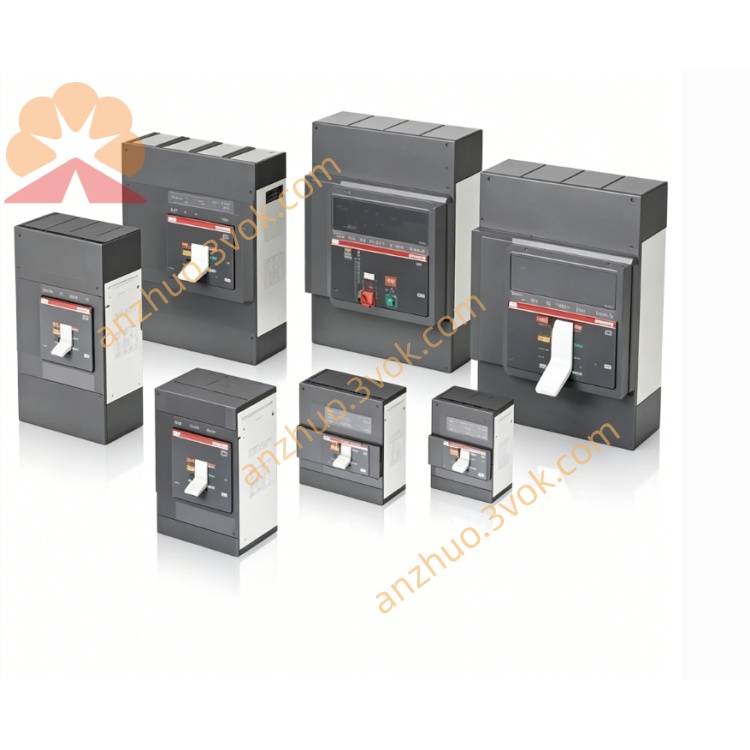
ABB PFSK160A upgraded version of PFSK160, a VME bus signal conditioning and communication interface card
ABB PFSK160A is an upgraded version of PFSK160, a VME bus signal conditioning and communication interface card for industrial control systems. It combines digital input and output processing with Profibus-DP communication. The module delivers reliable signal isolation, conversion and data transmission between field equipment and main controllers, and runs steadily in harsh industrial electromagnetic environments.
Description
Product Introduction
ABB PFSK160A is an upgraded version of PFSK160, a VME bus signal conditioning and communication interface card for industrial control systems. It combines digital input and output processing with Profibus-DP communication. The module delivers reliable signal isolation, conversion and data transmission between field equipment and main controllers, and runs steadily in harsh industrial electromagnetic environments.
Model Interpretation
PFSK represents process field signal card. The number 160 indicates the base hardware specification. The suffix A stands for the revised hardware version and optimized configuration. This model has a dedicated part number for ordering and inventory management.
Technical Parameters
The module connects to the system via VME P2 I/O bus and is powered by 24 V DC. It is equipped with sixteen digital input and output channels. The input circuit is compatible with dry and wet contact signals. Each output channel can carry a maximum load current of 0.5 A under 24 V DC. The dielectric withstand voltage reaches 2500 V AC for one minute. The operating temperature ranges from minus 20 degrees Celsius to 60 degrees Celsius, and the protection class is IP20. The product complies with mainstream industrial standards.
Interface and Communication Configuration
It is fitted with a dedicated VME bus connector for power supply and data interaction with the system rack. A DB9 interface is provided for Profibus-DP communication. Screw terminals are used for wiring all digital input and output channels. Multiple LED indicators show the status of power, operation, communication and faults. It supports parameter setting and remote diagnosis via standard configuration files.
Core Functions
It performs filtering, isolation and level conversion for on-site digital signals. It acts as a Profibus-DP slave station to conduct real-time data exchange with the master station. It collects switch signals from field sensors and outputs control commands to actuators. It features self-diagnosis to detect channel faults and communication exceptions. Surge protection and anti-interference circuits are integrated to adapt to complex industrial working conditions.
Application Scenarios
It is designed for ABB Advant series DCS and PLC systems. It is widely deployed in power, metallurgy, papermaking, water treatment and other process industries. It can be used in remote I/O stations and motor control centers as signal and communication interface. It is also applicable to automated production lines using Profibus-DP protocol for equipment networking and control.
Operation and Maintenance Instructions
Mount the module inside a dry and well ventilated cabinet, and keep it away from heat sources and strong electromagnetic interference. Use standard copper wires for wiring and ensure all terminals are tightly fastened. Check LED indicators regularly to confirm normal operating status. Cut off the power and take anti-static protection before plugging or unplugging the card. Inspect connectors and cables regularly to avoid loose contact and aging. Keep the module clean and dry. No on-site calibration is required, and replace the module directly if permanent faults appear.
Get a Quote