
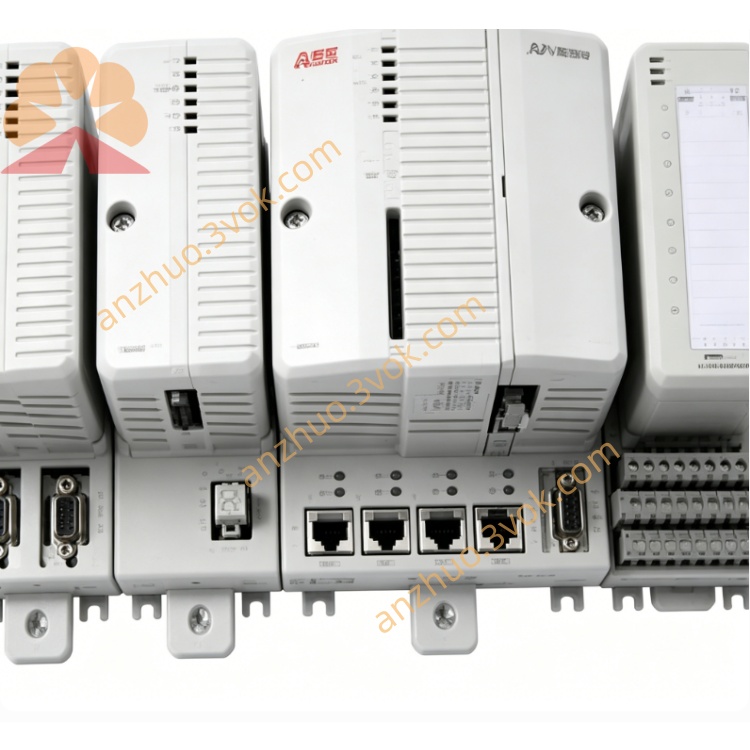
ABB 57510001‑AA ( DSCA114)asynchronous communication interface board
Description
Product Introduction
Model Interpretation
57510001‑AA: ABB official part number for ordering and traceability.
DSCA114: Standard product name (Digital Communication Board 114).
‑AA: Hardware version code indicating base configuration and component revision.
Technical Parameters
Power Supply: 24 V DC ±10%, typical power consumption ≤4 W.
Operating Temperature: ‑20 °C to +60 °C.
Storage Temperature: ‑40 °C to +85 °C.
Relative Humidity: 5%–95%, non‑condensing.
Protection Class: IP20 (for cabinet installation).
Dimensions (mm): Approx. 125 × 95 × 55.
Weight: Approx. 0.4 kg.
Data Rate: Up to 12 Mbps (Profibus‑DP).
Interface and Communication Configuration
System Bus: ABB S5 backplane bus / 800xA controller bus for direct integration.
Communication Ports: RS‑232/V24, RS‑485; supports Profibus‑DP, DeviceNet, Modbus RTU.
Status Indicators: Onboard LEDs for power, transmit/receive activity, and fault diagnostics.
Isolation: Galvanic isolation between field and system sides to reduce EMI.
Core Functions
Multi‑Protocol Communication: Enables seamless data exchange across Profibus‑DP, DeviceNet, and Modbus networks.
High‑Speed Data Transfer: Supports real‑time control and data logging with up to 12 Mbps throughput.
Protocol Conversion: Bridges different industrial protocols for legacy and modern system integration.
Network Expansion: Extends controller communication ports for connecting additional PLCs, drives, and HMI.
Redundancy Support: Compatible with redundant system setups for mission‑critical applications.
Application Scenarios
System Compatibility: ABB 800xA DCS, S5 series PLC, Advant Controller 410/450.
Industrial Sectors: Power generation, chemical, metallurgy, pulp and paper, water treatment.
Use Cases: Real‑time process control, legacy system migration, device networking, and spare part replacement.
Operation and Maintenance Instructions
Installation: Insert into standard ABB rack; ensure secure seating and proper grounding.
Wiring: Connect communication cables to RS‑232/RS‑485 ports; separate signal and power cables.
Maintenance: Inspect LEDs quarterly; clean edge connectors with dry, anti‑static cloth if dusty.
Replacement: Power off non‑redundant systems before removal; handle by edges to avoid static damage.
Configuration: Use ABB engineering tools to set baud rate, protocol, and node address before operation.
Get a Quote