
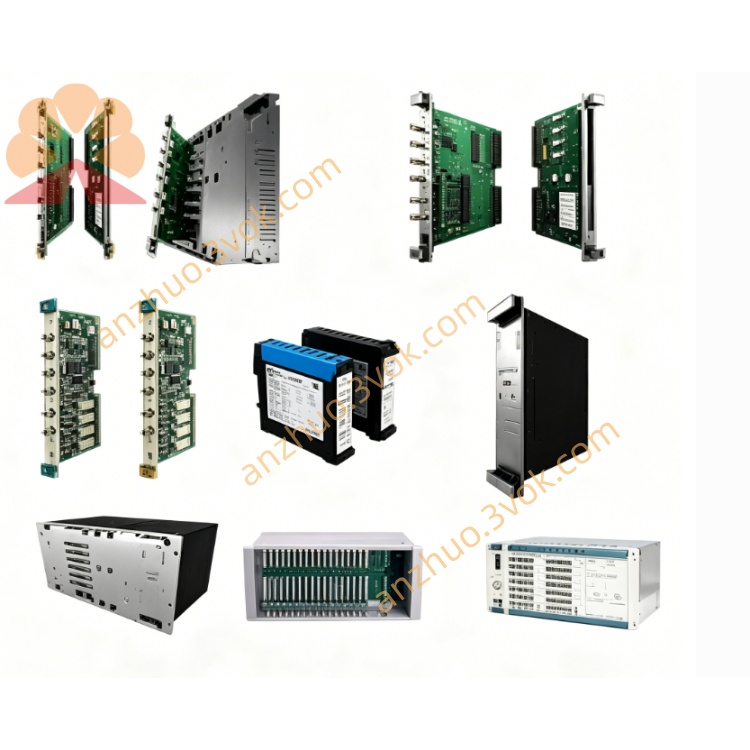
ABB 1SBP260020R1001 (07CR41)compact, all‑in‑one programmable logic controller
ABB 1SBP260020R1001, commercial designation 07CR41, is a compact, all‑in‑one programmable logic controller from the Advant Controller 31 (AC31/Procontic CS31) series. It integrates CPU, power supply, digital inputs and relay outputs in a single unit. Designed for 24 V DC operation, it provides reliable switching control and is suited for small‑to‑medium automation systems with distributed I/O expansion capability.
Description
Product Introduction
ABB 1SBP260020R1001, commercial designation 07CR41, is a compact, all‑in‑one programmable logic controller from the Advant Controller 31 (AC31/Procontic CS31) series. It integrates CPU, power supply, digital inputs and relay outputs in a single unit. Designed for 24 V DC operation, it provides reliable switching control and is suited for small‑to‑medium automation systems with distributed I/O expansion capability.
Model Interpretation
1SBP is the unified part number prefix for ABB AC31 and CS31 series controllers. 260020 denotes the 24 V DC basic unit with relay outputs. R1001 indicates the standard hardware revision. 07CR41 is the commercial name for this AC31 compact control unit.
Technical Parameters
This controller belongs to the ABB Advant Controller 31 series and is compatible with Advant OCS. The power supply is 24 V DC ±10%, with a power consumption of approximately 5 W standalone and 10 W with expansion modules. It has 8 channels of 24 V DC digital inputs supporting sink/source connection, with an input current ≤5 mA per channel and an input delay of 1 to 7 ms. It is equipped with 6 relay output channels, each rated at 5 A at 250 V AC or 5 A at 30 V DC, with a mechanical lifespan of over 100,000 operations. The processor runs at 400 kHz, with 34 kB of program memory and 4.4 kB of battery‑backed data memory. Two built‑in hardware high‑speed counters support up to 5 kHz, and an integrated real‑time clock is provided. The operating temperature ranges from 0 °C to +55 °C, and the storage temperature ranges from −40 °C to +70 °C. The protection class is IP20 for cabinet installation. It can be mounted on a DIN rail or with screws, with dimensions of 102 mm × 102 mm × 127 mm and a weight of about 0.8 kg. It has CE and UL certifications.
Interface and Communication Configuration
It uses screw terminals for 8 digital inputs, 6 relay outputs, and 24 V DC power connection. A standard RS‑232 port is available for program upload/download, ASCII communication, and Modbus RTU. The integrated CS31 bus based on RS‑485 can connect up to 31 remote I/O devices, expanding the system to around 1000 I/O points. LED indicators show power, run, error, and channel status. It supports the full range of AC31 analog and digital I/O modules for expansion.
Core Functions
It provides integrated logic control to directly connect sensors, switches, and actuators. The relay outputs offer strong load‑driving capability for solenoid valves and small motors without intermediate relays. The high‑speed counters and real‑time clock enable precise counting and timing. The CS31 bus ensures stable long‑distance communication with remote I/O without affecting the main controller. Battery‑backed memory retains programs and data after power loss. Channel‑level diagnostics and LED status indication help quickly locate faults.
Application Scenarios
It is suitable for small production lines, assembly machines, and material handling in factory automation. It applies to HVAC and building automation for air‑handling units, fan coils, and environmental monitoring. It is used in water treatment for pump and valve control and signal monitoring. It serves as a control core for packaging machinery, textile machines, woodworking equipment, and general OEM machinery with switching control needs.
Operation and Maintenance Instructions
Install vertically on a DIN rail with sufficient top and bottom clearance for heat dissipation. Keep away from strong vibration, moisture, and corrosive gases. Use qualified copper wires and tighten terminals securely. Verify 24 V DC power polarity and do not exceed relay contact ratings. Program and configure via ABB AC31GRAPH or supporting software. Regularly check terminal tightness and LED status, and clean dust with a dry cloth. Replace the backup battery every 3 to 5 years to ensure memory and RTC operation. Disconnect all power before disassembly or maintenance; do not operate with damaged wiring or open housing.
Get a Quote