
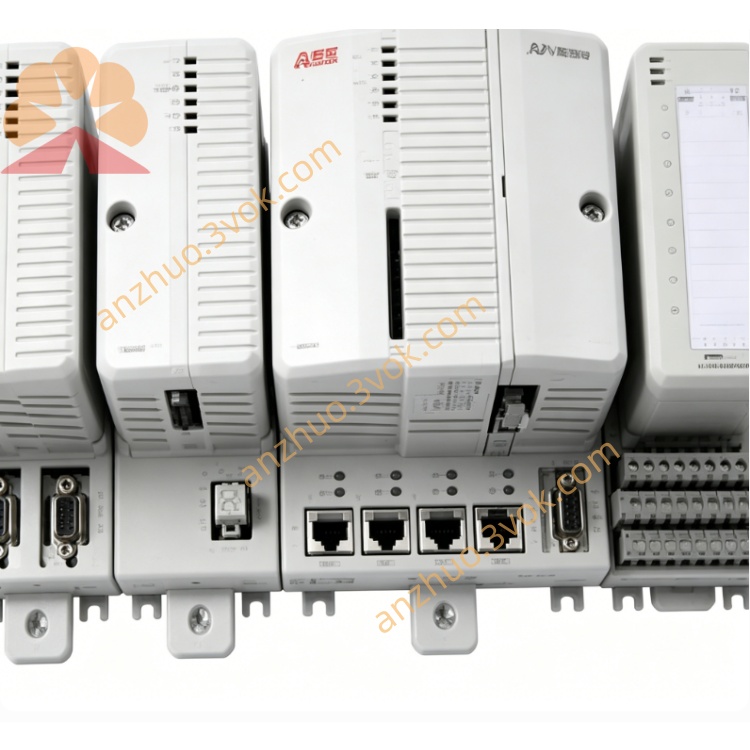
ABB 1SAP550100R0001 (CP650) 10.4-inch industrial touchscreen HMI in the CP600 series
ABB 1SAP550100R0001 (CP650) is a 10.4-inch industrial touchscreen HMI in the CP600 series, designed for high-end visualization and operation in complex automation environments. It features a rugged 4:3 TFT display, IP66 front protection, and rich communication ports, optimized for use with ABB AC500 PLCs and mainstream industrial protocols. It delivers reliable monitoring, control, and data management for process and discrete automation.
Description
Product Introduction
ABB 1SAP550100R0001 (CP650) is a 10.4-inch industrial touchscreen HMI in the CP600 series, designed for high-end visualization and operation in complex automation environments. It features a rugged 4:3 TFT display, IP66 front protection, and rich communication ports, optimized for use with ABB AC500 PLCs and mainstream industrial protocols. It delivers reliable monitoring, control, and data management for process and discrete automation.
Model Interpretation
1SAP = ABB standard prefix for automation components.550100 = base model identifier for CP650 10.4-inch HMI.R0001 = hardware revision and variant code.CP650 = commercial designation: CP = control panel, 650 = 10.4-inch high-end touch model in CP600 series.
Technical Parameters
Display: 10.4-inch 4:3 TFT LCD, 800×600 pixels, 64K colors, LED backlight.Touch: 4-wire analog resistive touch, long lifecycle.Processor: 32-bit ARM core.Memory: 256 MB RAM, 512 MB Flash.Power: 24 V DC (18–30 V DC), typical 24 W.Environment: operating 0 °C to +50 °C, storage –20 °C to +60 °C, humidity 10–90 % RH non-condensing.Protection: front IP66, rear IP20.Dimensions: panel cutout optimized for 10.4-inch mounting.Weight: approx 1.2–1.5 kg.Certifications: CE, UL, CSA, ATEX Zone 2, IECEx.
Interface and Communication Configuration
Ethernet: 10/100 Mbps, supports PROFINET, Modbus TCP/IP, ABB Industrial Ethernet.Serial: 2×RS-232/RS-422/RS-485 on Sub-D 9, Modbus RTU master/slave.USB: USB 2.0 Host for project download, data logging, backup/restore.Aux port: for special functions or expansion.RTC: hardware real-time clock with battery backup.Configuration: programmed via Panel Builder 600 (PB600) software with PB610 runtime license.
Core Functions
High-resolution 10.4-inch touch visualization for complex process monitoring and control.Multi-protocol communication with AC500 PLCs, drives, and field devices.Advanced data logging, historical trending, and alarm management.Recipe management for batch and continuous processes.Password protection with multi-level user access control.Rugged IP66 front for dust and splash resistance in harsh industrial areas.Support for both portrait and landscape display orientations.
Application Scenarios
Process automation: chemical, pharmaceutical, water treatment, food and beverage.Discrete automation: machine tools, packaging lines, material handling, automotive assembly.Energy and utilities: power plants, HVAC, pumping stations, renewable energy systems.Building infrastructure: large-scale facility management, industrial buildings.OEM machinery: high-end standard machines requiring large-screen, durable HMI.Retrofit projects: upgrading older systems with modern, high-performance touch interfaces.
Operation and Maintenance Instructions
Install in control panel with proper sealing to maintain IP66 front protection.Apply 24 V DC power within rated voltage range and observe polarity.Separate communication cables from power cables to reduce electrical interference.Configure screens, communication parameters, and alarms using Panel Builder 600.Regularly inspect front seal and touchscreen; clean only with dry or mild detergent cloth, no harsh chemicals.Check power, communication, and alarm LEDs for status; troubleshoot wiring and network if faults occur.Replace RTC battery every 2–3 years to preserve time and data retention; power off before disassembly.Store in dry, clean environment; avoid extreme temperatures and strong vibration during transport.
Get a Quote