
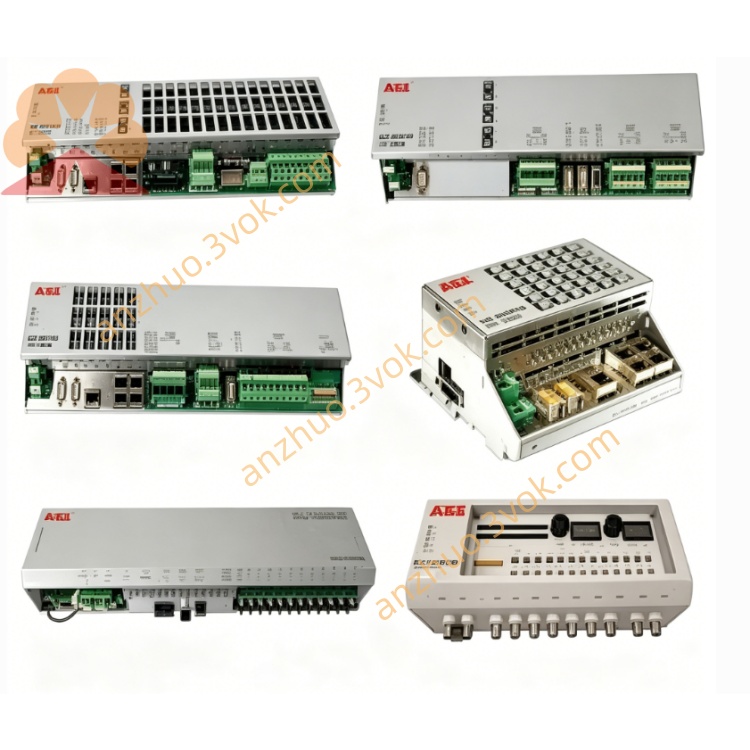
ABB 1SAP150100R0100(PM591) high-end dual-Ethernet CPU module
Description
Product Introduction
Model Explanation
1SAP150100R0100: Full ABB order/part number.
PM591: High-performance AC500 CPU with dual Ethernet and extended communication interfaces.
150100: PM591 base platform; R0100: initial hardware revision.
Differentiated from PM590-ETH (single Ethernet) and PM591-ARCNET (ARCNET instead of dual Ethernet).
Technical Parameters
Power Supply: 24 V DC (20.4–28.8 V DC), reverse-polarity protection, ~18 W consumption.
Memory: 4096 kB program Flash, 2048 kB data RAM, 512 kB battery-backed RAM.
Processor: 32-bit RISC, 266 MHz clock speed.
Execution Speed: Bit 0.02 μs, word 0.04 μs, floating-point 0.4 μs.
Operating Temperature: -20 °C to +60 °C; storage: −40 °C to +70 °C.
Protection Class: IP20; certifications: CE, cULus, RoHS.
Dimensions: 62 × 76 × 67.5 mm; weight: ~0.15 kg.
Real-Time Clock: Integrated, battery-backed.
Interface & Communication
Ethernet: 2 × 10/100 Mbps (TCP/IP, Modbus TCP, Ethernet/IP, web server, SNTP, IEC 60870-5-104; supports network redundancy).
Serial Port: 1 × RS-485 (supports Modbus RTU, ASCII).
CANopen: Integrated CANopen interface for fieldbus communication.
FBP Bus: 1 slot for Profibus DP, CANopen, or ARCNET expansion.
SD Card Slot: Program backup/restore, firmware updates, data logging.
Local HMI: 1-line LCD + 8 function keys for on-site operation.
I/O Capacity: Up to 384 DI, 288 DO, 192 AI, 192 AO.
Core Functions
High-speed 32-bit RISC processing handles complex logic, motion, and process control.
Dual Ethernet ports enable redundant networks, improving system reliability for critical applications.
Multi-protocol communication (Ethernet, RS-485, CANopen) supports seamless integration with HMI, drives, instruments, and SCADA.
FBP expansion bus provides flexible fieldbus access for diverse device connectivity.
Hot-swap I/O support and battery-backed RAM minimize downtime and data loss.
Local LCD/keypad allows on-site commissioning without a PC.
SD card simplifies backups, upgrades, and data logging.
Application Scenarios
Factory automation: Large production lines, robotics, automotive assembly, and high-speed machinery requiring redundant Ethernet.
Process industries: Water treatment, chemical, pharmaceutical, and food & beverage with distributed control and network redundancy.
Industrial networking: Systems needing dual-Ethernet redundancy (e.g., power distribution, renewable energy, and critical infrastructure).
Intelligent buildings: Large HVAC, lighting, and security management with centralized network control.
High-reliability systems: Applications requiring minimal downtime, such as data centers and industrial IoT gateways.
Usage & Maintenance
Mount on TH35-15 DIN rail; connect 24 V DC with correct polarity.
Install TB511 terminal base and I/O modules; wire Ethernet, serial, CANopen, FBP, and I/O cables per specs.
Configure and download programs via ABB Automation Builder.
Keep environment clean/dry/ventilated; inspect terminals quarterly.
Back up programs via SD card; replace RTC battery every 3–5 years.
Annual function tests; disconnect power before service.
Get a Quote