
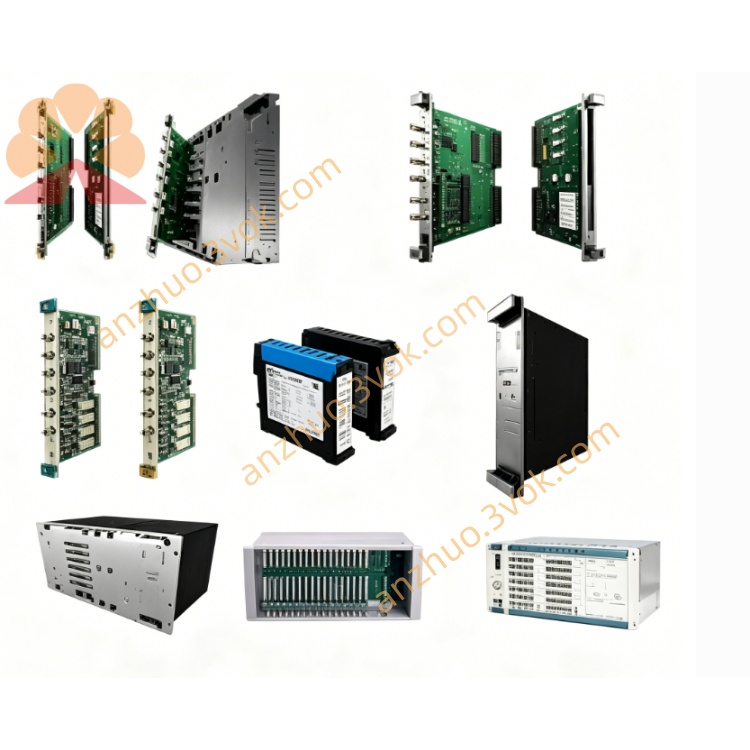
ABB 1SAP140100R0160 (PM581-ARCNET) compact high-performance CPU module
ABB 1SAP140100R0160 is a compact high-performance CPU module in the AC500 PLC series, with the standard model PM581-ARCNET. It is designed for medium-complexity automation requiring ARCNET real-time networking, alongside serial and expandable fieldbus communication. It integrates an ARCNET interface, two configurable serial ports, an SD card slot, a local LCD with keys, and an FBP (FieldBusPlug) interface, delivering reliable control, flexible connectivity, and easy maintenance for small-to-mid-size industrial systems.
Description
Product Introduction
ABB 1SAP140100R0160 is a compact high-performance CPU module in the AC500 PLC series, with the standard model PM581-ARCNET. It is designed for medium-complexity automation requiring ARCNET real-time networking, alongside serial and expandable fieldbus communication. It integrates an ARCNET interface, two configurable serial ports, an SD card slot, a local LCD with keys, and an FBP (FieldBusPlug) interface, delivering reliable control, flexible connectivity, and easy maintenance for small-to-mid-size industrial systems.
Model Explanation
1SAP140100R0160 is the full order part number. PM581-ARCNET is the standard designation: PM581 denotes the CPU series, ARCNET indicates the integrated ARCNET real-time network interface, and the suffix R0160 specifies the hardware revision. It belongs to the ABB AC500 PLC line, fully compatible with the series’ terminal bases, I/O modules, and FBP communication accessories.
Technical Parameters
Power supply is 24 V DC (20.4–28.8 V DC), power consumption approx. 8 W. It features 256 kB flash memory for user programs, 416 kB RAM for data, and 32 kB retentive data memory. Processing speed: 0.07 μs per bit instruction, 0.1 μs per word instruction, 0.8 μs per floating-point instruction. Operating temperature -10 °C to +55 °C, storage temperature -25 °C to +70 °C, IP20 protection class. Certifications include CE, cULus, and RoHS. Dimensions 62 × 76 × 67.5 mm, weight approx. 0.16 kg.
Interface and Communication Configuration
Equipped with one ARCNET interface for high-speed real-time networking (up to 2.5 Mbps), supporting peer-to-peer and multi-node communication for distributed control. Two configurable serial ports (COM1: RS232, COM2: RS485) support Modbus RTU, CS31, and ASCII protocols. An SD card slot enables program backup, restore, and firmware updates. A built-in LCD with physical keys allows local status display, parameter setting, and fault diagnosis without a PC. An FBP interface supports optional fieldbus modules (e.g., Profibus DP, CANopen) for extended connectivity.
Core Functions
Provides efficient execution of complex logic, process control, and motion control tasks with real-time determinism via ARCNET. Multi-protocol communication (ARCNET/serial/FBP) enables seamless connection with HMIs, drives, instruments, and SCADA systems. Local LCD and keys simplify on-site operation and maintenance. Supports large-scale I/O expansion with up to 320 digital inputs, 240 digital outputs, 160 analog inputs, and 160 analog outputs. Hot-swap of expansion modules reduces downtime. SD card enables fast program backup and offline firmware upgrades.
Application Scenarios
Suitable for factory automation requiring real-time distributed control, such as automotive production lines, robotics, and high-speed packaging machines. Widely used in process industries including water treatment, HVAC, chemical, and pharmaceutical, where ARCNET’s determinism ensures precise control. Applied in intelligent building control, energy management systems, and small-to-mid-size power distribution automation. Ideal for upgrading legacy systems to support ARCNET real-time networking and remote monitoring.
Usage and Maintenance Instructions
Mount on a standard DIN rail and connect 24 V DC power correctly. Install the matching terminal base and required I/O modules. Connect ARCNET and serial communication cables, configure parameters, and download programs via ABB Automation Builder before operation. Keep the environment ventilated and dry; ensure all terminals are tight. Back up programs regularly via SD card. Perform quarterly routine inspections and annual comprehensive tests. Disconnect power before disassembly or replacement to ensure safety.
Get a Quote