
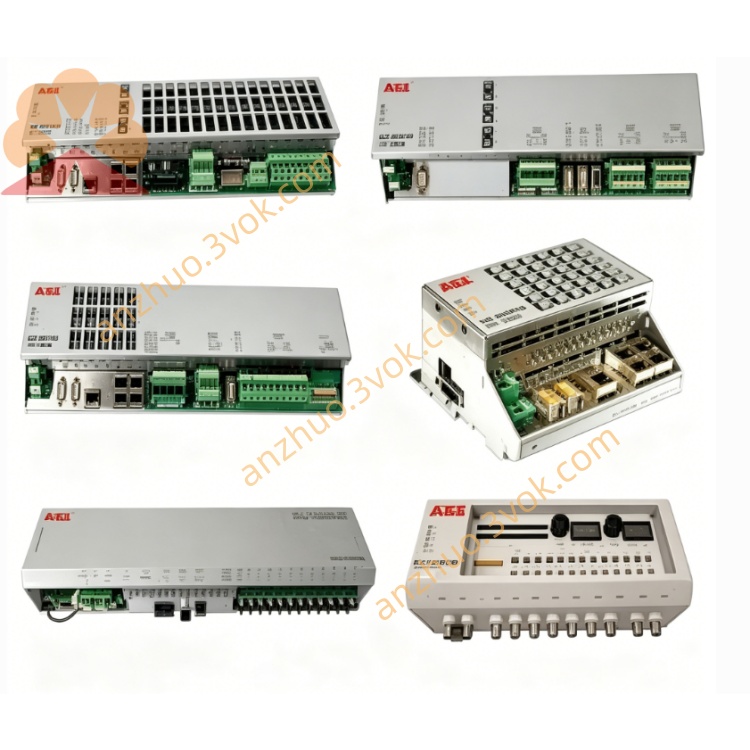
ABB 086466060S dedicated industrial signal processing and interface module
ABB 086466060S is a dedicated industrial signal processing and interface module for ABB legacy control systems. It integrates signal conditioning, circuit isolation and bus data transmission functions. With robust industrial design and reliable circuit performance, it is suitable for long-term operation in harsh workshop and production environments. This module is commonly used as a standard spare part for daily maintenance, fault replacement and system overhaul of on-site control equipment.
Description
Product Introduction
ABB 086466060S is a dedicated industrial signal processing and interface module for ABB legacy control systems. It integrates signal conditioning, circuit isolation and bus data transmission functions. With robust industrial design and reliable circuit performance, it is suitable for long-term operation in harsh workshop and production environments. This module is commonly used as a standard spare part for daily maintenance, fault replacement and system overhaul of on-site control equipment.
Model Explanation
086466060S is the complete part number of this interface module. It belongs to ABB general industrial control board series, adopting standard front insertion structure for 19-inch rack installation. The whole board is treated with protective coating to enhance dustproof, moistureproof and anti-corrosion capability.
Technical Parameters
The module operates with 24 VDC power supply and the voltage tolerance range is plus or minus ten percent. The typical power consumption is lower than 8 watts. It adopts high-strength electrical isolation design, and the isolation voltage between field circuit and internal logic circuit reaches 1500 VDC. It supports standard field bus communication to exchange data with main controllers and adjacent modules. The operating temperature ranges from 0 degrees Celsius to 55 degrees Celsius, and the storage temperature ranges from minus 25 degrees Celsius to 70 degrees Celsius. The applicable relative humidity is 5% to 95% without condensation. It meets CE, UL and RoHS certification requirements. The overall dimensions are standard rack module size, and the weight is about 0.36 kilograms.
Interface and Configuration
The front panel is equipped with LED indicators to display power supply, running status and fault alarms. The rear gold finger connector is used to connect the system backplane for power input and bus signal transmission. Basic node address can be set via on-board dip switches. All operating parameters and working modes are configured through upper system software. The module has built-in fault detection function, which can detect circuit abnormality and communication failure in real time and send out alarm prompts.
Core Functions
It completes collection, filtering and conditioning of on-site electrical signals to ensure stable and accurate signal transmission. It provides reliable electrical isolation to prevent interference and surge damage between different circuit areas. It transmits processed signals to the main control unit through the system bus and receives control commands in return. It monitors the operating state of internal circuits in real time and feeds back fault information timely. It can work cooperatively with other rack modules to expand system signal processing capacity.
Application Scenarios
It is widely used in production control systems of metallurgy, cement, papermaking and other process industries. It serves signal acquisition and transmission in auxiliary control cabinets of power plants. It is applied to on-site equipment interlock and signal processing of water treatment facilities. It is also a common replacement part for maintenance and upgrading of old ABB rack-mounted control systems.
Usage and Maintenance Instructions
Insert the module into the designated rack slot and tighten the fixing screws to ensure firm connection. Use standard signal cables for wiring, and separate signal lines from power lines to reduce interference. Set the node address via dip switches before powering on, and complete function configuration through supporting system software. Check the LED status every month to confirm normal operation. Inspect the tightness of terminals and connectors every quarter. Conduct comprehensive function test and performance verification every year. Use the original 086466060S module for replacement, and keep firmware version and parameter settings consistent with the original device. Do not disassemble the module privately.
Get a Quote