
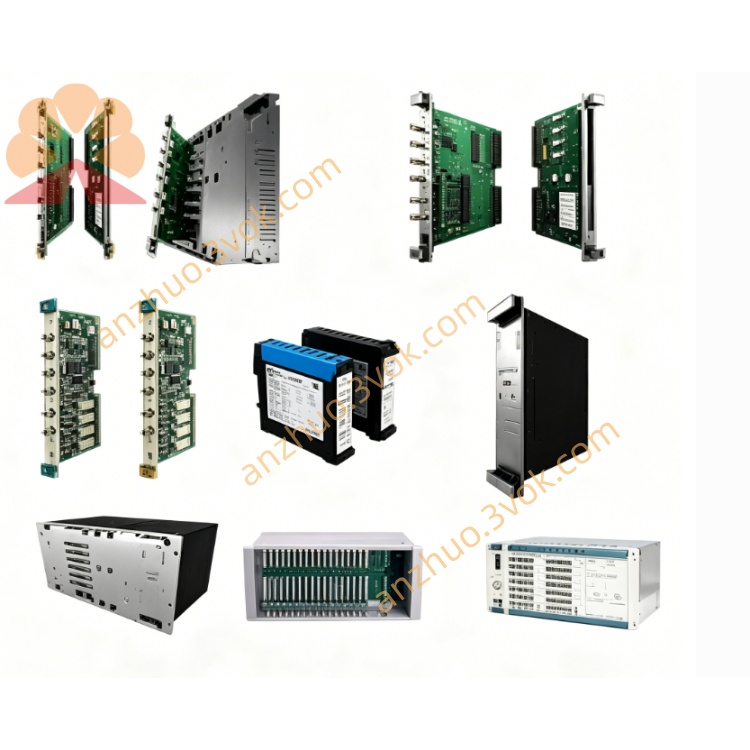
ABB 07PS63(07PS63R2)Procontic series of program storage module
ABB 07PS63 is a program storage module designed for Procontic AC31, T200 and AC800M/F PLC and DCS systems. It adopts non-volatile memory to expand storage capacity for controllers, and is mainly used to store user application programs, system configurations and process data. It delivers reliable long-term data retention and stable operation in industrial environments. The standard revision is 07PS63R2 with part number GJV3072428R2.
Description
Product Introduction
ABB 07PS63 is a program storage module designed for Procontic AC31, T200 and AC800M/F PLC and DCS systems. It adopts non-volatile memory to expand storage capacity for controllers, and is mainly used to store user application programs, system configurations and process data. It delivers reliable long-term data retention and stable operation in industrial environments. The standard revision is 07PS63R2 with part number GJV3072428R2.
Model Explanation
07 stands for Procontic 90, AC31 and T200 product series. PS refers to Program Storage, which indicates a module dedicated to program and data storage. 63 represents the specific hardware specification and storage capacity. R2 means Revision 2, the updated version of hardware and firmware.
Technical Parameters
This module uses non-volatile memory with a total capacity of 2 MB. It can retain stored data for more than 10 years at 25 degrees Celsius after power off. It is powered by 24 V DC through the system backplane and also compatible with 120 VAC and 230 VAC power supply. The operating temperature ranges from minus 20 degrees Celsius to 60 degrees Celsius, and the storage temperature ranges from minus 40 degrees Celsius to 85 degrees Celsius. The relative humidity for operation is 5% to 95% without condensation. The protection class is IP20. The overall dimensions are 254 mm in depth, 51 mm in height and 152 mm in width, and the weight is approximately 0.35 kg. The product has passed CE, RoHS, UL and CSA certifications and complies with IEC 61131 standards.
Interface and Communication Configuration
The module is directly inserted into the backplane slot of AC31, T200 or AC800 series controllers, and communicates with the main unit via high-speed internal bus. There are no external serial ports or network ports, and it works purely as a storage expansion component. A status LED is equipped on the front to indicate power and operating status. A write-protect switch is available to prevent accidental erasure or overwriting of programs and data. It supports hot-swap operation, allowing insertion and removal while the controller is running normally.
Core Functions
It provides expanded storage space for user application programs and system firmware. It supports one-click backup and restoration of programs and system configurations to simplify equipment maintenance and fault recovery. It is capable of long-term storage of process data, production recipes and operation event logs. It can be used to upgrade controller operating system and firmware without additional professional tools. The non-volatile design ensures key data will not be lost for over 10 years after power failure. The hot-swap function enables module replacement without interrupting the running control system.
Application Scenarios
It is widely applied in automotive, packaging and assembly production lines for storing control programs and production recipes. It is suitable for water treatment, chemical, food and beverage industries to archive long-term process data. It is used for storage capacity expansion and function upgrade of existing AC31, T200 and AC800 series control systems. It also fits unattended industrial sites that require high data security and long-term stable storage.
Usage and Maintenance Instructions
Insert the module firmly into the designated backplane slot of the controller. Switch the write-protect switch off during program debugging and switch it on during formal operation to protect data. Check the front status LED regularly to confirm normal operation. Perform annual routine inspection to check connection tightness, remove surface dust and monitor operating temperature. Keep the installation environment dry and well ventilated, and avoid exposure to moisture and corrosive substances. Always operate within the rated temperature and humidity range. Follow relevant specifications for hot-swap or power-off replacement. Use supporting management software to verify data integrity and complete regular program backup.
Get a Quote