
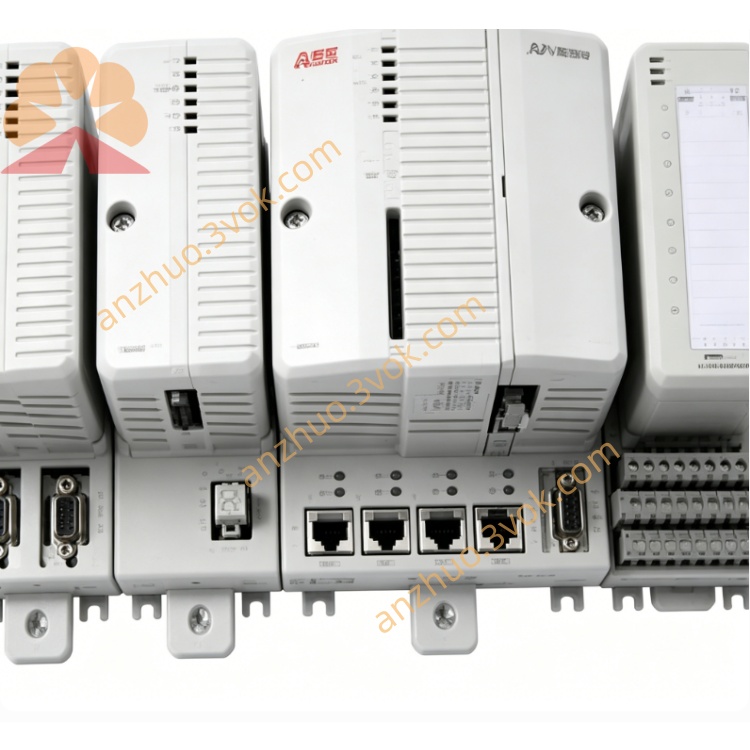
ABB 07MK92 reely programmable serial communication processor
BB 07MK92 is a freely programmable serial communication processor designed for the Advant Controller 31 (AC31) and Procontic CS31 PLC systems. It serves as a high-performance interface module that extends the communication capabilities of the main controller, enabling seamless data exchange with external serial devices. The module integrates four serial ports and a dedicated processor, offloading communication tasks from the main CPU to enhance system efficiency and real-time performance. It is suitable for both standard and harsh industrial environments, featuring a rugged design and wide operating temperature range.
Description
Product Introduction
ABB 07MK92 is a freely programmable serial communication processor designed for the Advant Controller 31 (AC31) and Procontic CS31 PLC systems. It serves as a high-performance interface module that extends the communication capabilities of the main controller, enabling seamless data exchange with external serial devices. The module integrates four serial ports and a dedicated processor, offloading communication tasks from the main CPU to enhance system efficiency and real-time performance. It is suitable for both standard and harsh industrial environments, featuring a rugged design and wide operating temperature range.
Model Explanation
07 represents the Procontic 90 and Advant Controller 31 product series. MK stands for Communication Module, denoting a dedicated serial communication processor for PLC systems. 92 refers to the specific hardware revision and configuration with four serial interfaces and advanced protocol support. The full part number is typically GJR5253300R1161 or GATS110098R0161, indicating specific firmware and hardware variants.
Technical Parameters
The module is powered by 24 V DC with a typical current consumption of 200 mA. It features a dedicated communication processor with 128 KB RAM and 512 KB flash memory for protocol processing and user applications. The operating temperature range is -20°C to +60°C, and the storage temperature range is -40°C to +85°C. It operates at 5% to 95% non-condensing humidity and has an IP20 protection class. The dimensions are approximately 120 mm × 80 mm × 40 mm, with a weight of about 0.4 kg. The product complies with CE, RoHS, and UL certifications.
Interface and Communication Configuration
It is equipped with four serial communication ports. COM3 and COM4 are software-configurable as RS-232, RS-422, or RS-485, while COM5 and COM6 are fixed as RS-232. The maximum baud rate is 115200 bps, supporting high-speed data transmission. Supported protocols include Modbus RTU/ASCII, standard ASCII, and user-defined custom serial protocols. The module connects to the AC31 main controller via a dedicated backplane interface, enabling high-speed internal data exchange. It features LED indicators for power, communication status, and diagnostic information.
Core Functions
It provides high-performance serial communication expansion, allowing connection to multiple third-party devices such as HMIs, barcode readers, printers, and serial instruments. It supports protocol conversion between different serial standards, enabling interoperability among devices with incompatible interfaces. The module offloads communication processing from the main PLC CPU, improving system responsiveness and reducing cycle time. It enables data logging and real-time data exchange with external systems, supporting process monitoring and data acquisition applications. It allows user-programmable communication logic using the 907 MK92 software, enabling custom protocol implementation and data handling.
Application Scenarios
It is widely used in manufacturing automation for connecting PLCs to serial-based HMIs, scanners, and printers on production lines. It is suitable for process industries such as water treatment, chemical, and food and beverage, where serial instruments and sensors need to be integrated into the control system. It is applied in building automation and infrastructure projects for communication with access control systems, energy meters, and environmental monitoring devices. It is used in legacy system modernization projects, enabling new AC31 controllers to communicate with older serial-based equipment. It is ideal for remote monitoring and data acquisition applications in oil and gas, energy, and utilities sectors.
Usage and Maintenance Instructions
Mount the module on a DIN rail or directly on the AC31 backplane, ensuring secure connection and proper grounding. Connect the 24 V DC power supply to the dedicated terminals, observing correct polarity. Configure the serial ports and communication protocols using the 907 MK92 programming software, setting baud rate, data bits, stop bits, and parity according to device requirements. Use the LED indicators to monitor communication status; steady green indicates normal operation, while flashing red indicates a fault. Inspect the module annually for physical damage, loose connections, or signs of corrosion. Keep the ventilation openings clear of dust and debris to prevent overheating. Update firmware periodically using the dedicated software to ensure compatibility and performance improvements.
Get a Quote