
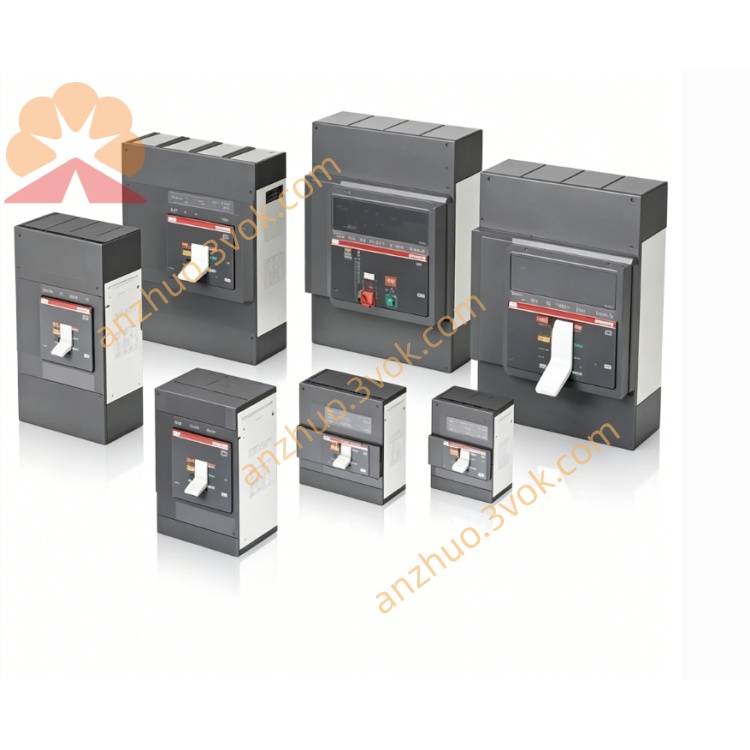
ABB 07KT97C(GJR5253000R0160) a high‑performance compact CPU in the Advant Controller 31 (AC31) / Procontic CS31 series
Description
Product Introduction
Model Explanation
07: Procontic 90 / AC31 series platform
KT: CPU with DC transistor outputs
97: High‑performance grade with maximum onboard I/O
C: Cost‑optimized variant, no onboard Profibus‑DP
Technical Parameters
Part Number: GJR5253000R0160
Processor: 32‑bit RISC
Power Supply: 24 VDC (18–30 VDC), ≤15 W, reverse polarity protection
Memory: 480 KB Flash (program); 256 KB non‑volatile RAM (data)
Onboard Digital I/O: 24 × 24 VDC DI (sink/source, isolated, 3 groups of 8); 16 × transistor DO (24 VDC/0.5 A, isolated, 2 groups of 8, short‑circuit protected)
Onboard Analog I/O: 8 × 12‑bit AI (configurable 0–10 V/±10 V/4–20 mA/PT100); 4 × 12‑bit AO (configurable 0–10 V/±10 V/4–20 mA)
High‑Speed Counter: 2 × 50 kHz (hardware, 7 configurable modes)
Operating Temperature: 0°C to +55°C (standard industrial range)
Storage Temperature: -25°C to +75°C
Protection Class: IP20
Dimensions: 160 × 100 × 95 mm
Weight: ≈0.8 kg
Certifications: CE, UL, CSA, RoHS
Interface & Communication Configuration
COM1: RS‑232 port for programming, HMI connection, and ASCII communication
COM2: RS‑485 port supporting Modbus RTU master/slave and CS31 system bus
CS31 System Bus: Connects up to 31 remote I/O slaves for system expansion
Extension Port: For additional communication modules (e.g., Profibus‑DP, Ethernet) if needed
LED Indicators: PWR, RUN, ERR, TX/RX (RS‑485)
Programming Tool: Control Builder AC31, 907 PC 331
Real‑Time Clock (RTC): Integrated for data logging and time‑stamping
Core Functions
Cost‑Efficient High‑Performance Control: Eliminates onboard Profibus to reduce cost while maintaining full 07KT97‑grade processing power and I/O capacity.
High‑Density Mixed I/O: 24DI/16DO + 8AI/4AO supports complex analog/digital control for temperature, pressure, flow, and logic sequencing.
Large Memory Capacity: 480 KB Flash enables complex control algorithms, PID loops, and data logging.
Dual 50 kHz Counters: For high‑speed encoder, flow meter, and motion control applications.
Multi‑Protocol Communication: Modbus RTU and CS31 bus support seamless integration with diverse devices and systems.
RTC & Data Logging: Standard RTC provides accurate time stamps for process data, supporting quality control and troubleshooting.
Expandable Communication: Extension port allows adding Profibus‑DP or Ethernet modules for future system upgrades.
Application Scenarios
Standalone Automation Systems: Small‑to‑medium machines with integrated I/O, no networked Profibus required.
Modbus RTU Networks: Factory automation, packaging machinery, and material handling using Modbus RTU.
Process Control (Non‑Profibus): Water/wastewater treatment, chemical processing, and food/beverage production with analog regulation.
Legacy AC31 System Replacement: Direct replacement for older 07KT97 CPUs in non‑Profibus systems, retaining existing I/O and wiring.
General Industrial Machinery: Textile machinery, plastic extruders, and assembly lines with mixed analog/digital control.
Usage & Maintenance Instructions
Installation: Mount on standard DIN rail; ensure vertical orientation with 50 mm clearance around the unit for ventilation.
Wiring: Use shielded cables for analog signals; separate power and signal wiring to reduce noise. Tighten terminals to recommended torque (0.5–0.8 Nm).
Power‑On Check: Verify 24 VDC supply voltage; check PWR LED (steady on = normal). Clear all faults before operation.
Programming: Use Control Builder AC31; download programs via RS‑232 or CS31 bus. Back up programs to external storage regularly.
Routine Maintenance: Inspect terminals quarterly for tightness; clean dust from ventilation slots every 6 months. Check LED indicators for abnormal status (ERR LED flashing = fault).
Troubleshooting: For Modbus communication faults, check cable wiring, baud rate, and address settings. For I/O errors, verify sensor/actuator wiring and signal types.
Environmental Protection: Avoid exposure to direct moisture, corrosive gases, and extreme temperatures. Operate within 0°C to +55°C and 5%–95% non‑condensing humidity.
Replacement: Disconnect power before replacement; use identical model (07KT97C) and reconfigure communication parameters to match the system.
Get a Quote