
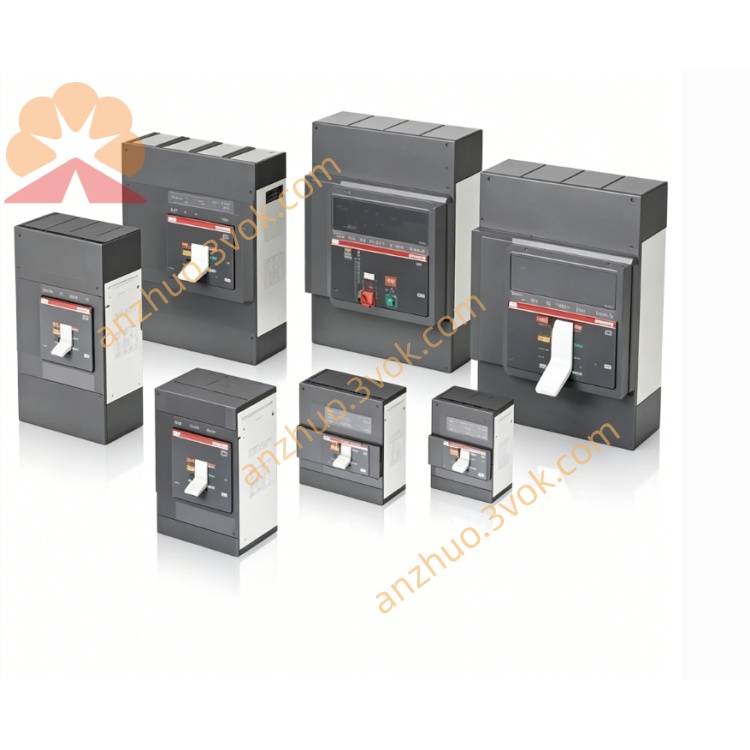
ABB 07KP53 (AC31 Series) intelligent Modbus coupler/communication module
Description
Product Introduction
Model Explanation
07: AC31/Procontic 90 series platform
KP: Communication Processor (Modbus interface)
53: Hardware and functional version (dual‑port Modbus)
Ordering Number: 1SBP260162R1001
Technical Parameters
Power Supply: 24 VDC (19.2–30 VDC range)
Current Consumption: Approx. 250 mA
Communication Protocol: Modbus RTU (master/slave selectable)
Serial Interfaces: 2× ports (RS‑232 mini‑DIN, RS‑485 terminal blocks)
Baud Rate: 1200–115200 bps
Data Format: 8N1, 8E1, 8O1 configurable
Operating Temperature: 0 °C to +55 °C
Storage Temperature: -40 °C to +75 °C
Isolation: Communication side vs. backplane 500 VAC
Mounting: 35 mm DIN rail (TH35‑15/7.5)
Dimensions (W×H×D): 51 × 110 × 75 mm
Weight: Approx. 0.26 kg
Certifications: CE, UL, RoHS
Interface and Communication Configuration
Port 1: RS‑232 via mini‑DIN connector (point‑to‑point)
Port 2: RS‑485 via screw terminals (multi‑drop bus)
Modbus Modes: Master (scan up to 247 slaves) / Slave (responds to master)
Termination: Built‑in RS‑485 termination resistor (ON/OFF switch)
LED Indicators:
PWR (green): Power OK
COM1/COM2 (yellow): Port activity
ERR (red): Communication/configuration fault
Wiring: Use shielded twisted pair for RS‑485; separate from high‑voltage cables.
Core Functions
Modbus RTU Communication: Acts as Modbus master or slave to link AC31 PLCs with drives, HMIs, sensors, and third‑party controllers.
Dual‑Port Isolated Routing: RS‑232 for local connection and RS‑485 for long‑distance bus, with electrical isolation.
Protocol Conversion: Bridges AC31 proprietary protocols to open Modbus for system integration.
Network Expansion: Extends AC31 communication capacity without CPU slot loss.
Diagnostics: Onboard LEDs and AC31 system diagnostics for quick fault localization.
Application Scenarios
AC31 System Expansion: Adding Modbus RTU ports to AC31 PLCs for third‑party device connection.
Factory Floor Networking: Interfacing AC31 with VFDs, soft starters, and Modbus sensors in production lines.
Legacy System Integration: Connecting older AC31/Procontic systems to modern Modbus‑based architectures.
Remote I/O Communication: Linking distributed Modbus I/O stations to the central AC31 controller.
Building Automation: HVAC and lighting control with Modbus RTU devices.
Usage and Maintenance Instructions
Installation: Mount on 35 mm DIN rail; ensure vertical orientation and adequate ventilation.
Wiring: Connect 24 VDC power; use shielded cable for RS‑485 and mini‑DIN for RS‑232.
Configuration: Set Modbus address, baud rate, parity, and master/slave mode via AC31 programming software.
Termination: Enable RS‑485 termination only at the two physical ends of the bus.
Routine Check: Inspect LED status; verify terminal tightness and cable shielding annually.
Troubleshooting: Check power supply and wiring; confirm network termination and address conflicts; re‑download configuration if errors persist.
Get a Quote