
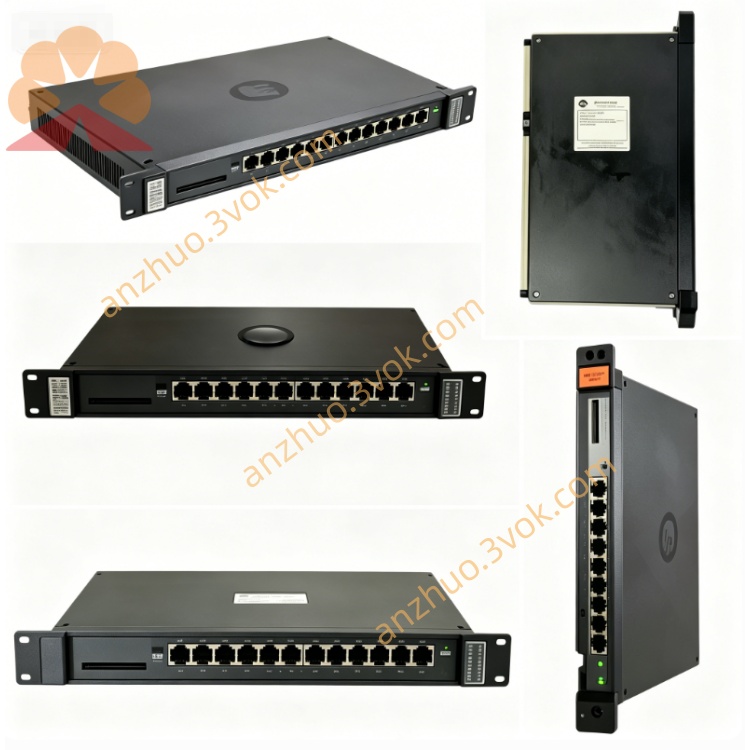
Reliance Electric 1AC2002
Description
Product Description
Model Number Interpretation
1 – Series: 1AC (GP‑1000/GP‑1200 AC drive)
AC – Product type: AC variable‑speed drive
2002 – Voltage/power: 200/230VAC, 2HP standard build
(U) – Variant: Universal/standard chassis, UL‑listed
Technical Specifications
Input Power: Single‑phase AC, 200/230VAC ±10%, 50/60Hz, max 15A
Output Power: Three‑phase AC, 200/230VAC, max 7.5A, 3.0kVA
Rating: 2HP (1.5kW) continuous duty
Control Mode: V/Hz (Volts‑per‑Hertz) open‑loop control
Speed Range: 20:1 (V/Hz), 0–400Hz output frequency
Enclosure: NEMA 1 / IP20, indoor use only
Protection: Overcurrent, overvoltage, undervoltage, overtemperature, short circuit, ground fault, motor stall prevention
Ambient Conditions: 0–45°C, 5–95%RH (non‑condensing)
Dimensions: Approximately 254 × 305 × 152mm (H × W × D)
Weight: Approximately 7.7kg (17lbs)
Interface and Communication Configuration
Power Terminals: L1/L2 (single‑phase AC input), U/V/W (three‑phase motor output), PE (protective earth)
Control Terminals: Digital inputs (start/stop, forward/reverse, fault reset); analog input (0–10VDC speed reference); relay output (fault indication)
Communication: No standard communication port (analog‑only design); no RS‑232/485 or fieldbus interfaces supported
Core Functions
V/Hz Speed Regulation – Simple, stable open‑loop control for standard induction motors, maintaining consistent speed under varying loads.
Compact 2HP Light‑Duty Design – Small footprint for space‑constrained installations with 2HP motor loads.
Basic Analog Speed Control – Accepts 0–10VDC signal for easy integration with potentiometers, PLCs, or simple control systems.
Integrated Fault Protection – Comprehensive electrical and thermal protection safeguards drive and motor.
Legacy System Replacement – Direct retrofit for older 2HP 230VAC 1AC series drives in small machinery and commercial equipment.
Application Scenarios
Small General‑Purpose Machinery: Conveyors, fans, pumps, mixers with 2HP induction motors.
Light‑Duty Commercial Equipment: HVAC fans, small compressors, material handling devices.
Legacy System Retrofits: Drop‑in replacement for Reliance 1AC series drives in older industrial/commercial facilities.
DIY & Hobbyist Projects: Medium‑size variable‑speed applications needing compact, affordable AC drives.
Usage and Maintenance Instructions
Installation: Mount vertically in clean, dry, well‑ventilated indoor area; maintain minimum clearance for airflow and cooling.
Wiring: Use properly rated copper conductors for power/control circuits; separate power and control wiring to reduce noise; verify all connections before power‑up.
Startup: Visually inspect for damage/loose connections; confirm input voltage matches drive rating; start unloaded and gradually apply load while monitoring parameters.
Maintenance: Keep enclosure dust‑free; inspect cooling fans/heat sinks; check terminals/wiring for overheating/corrosion; replace worn components as needed.
Troubleshooting: Use onboard LEDs/fault indicators to diagnose overcurrent, overtemperature, or stall issues; resolve faults before restarting.
Get a Quote