
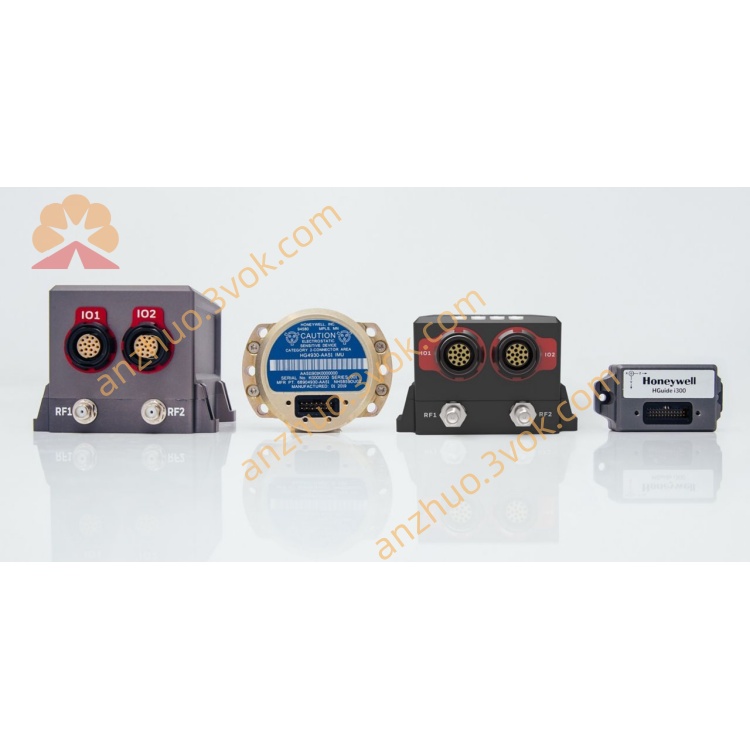
HONEYWELL 51305072-300
Description
Product Description
Model Definition
51305072-300: Honeywell part number for CLCN‑A (A‑network version).
5130: Honeywell DCS hardware series.
5072: CLCN series circuit design code.
300: Designates LCN A‑network configuration (vs. 800 for B‑network).
Alias: CLCN‑A paddle board, LCN A‑network communication board, TDC3000 I/O board.
Technical Specifications
System Compatibility: Honeywell TDC 3000, TPS, Experion PKS (C300).
Power Supply: 5 VDC from controller backplane.
Operating Temperature: -40 °C to +70 °C.
Storage Temperature: -40 °C to +85 °C.
Humidity: 5%–95% non‑condensing.
Dimensions: 176 mm × 61 mm × 25 mm.
Weight: Approx. 0.2 kg.
Certifications: CE, UL, CSA, RoHS.
Interface and Communication Configuration
LCN‑A Port: BNC coaxial connector for connection to the LCN A‑backbone network.
Controller Interface: Gold‑finger edge connector for dedicated slot in CB120/CB121 controllers.
Isolation: Complete electrical isolation between controller and LCN network to suppress common‑mode interference.
Indicators: Power, Link, and Fault LEDs for real‑time status monitoring.
Protocol: Honeywell proprietary LCN communication protocol; supports remote diagnostics via engineer station.
Core Functions
A‑Network Access: Provides controllers with dedicated LCN A‑network connectivity for redundant communication.
Signal Conversion: Adapts LCN differential signals to controller single‑ended signals and vice versa.
Electrical Isolation: Prevents local faults from propagating across the control network.
Impedance Matching: Optimizes coaxial cable signal transmission, reducing reflection and attenuation.
Redundancy Support: Works with CLCN‑B (51305072‑800) for dual‑network redundancy and automatic failover.
Application Scenarios
Controller Redundancy: TDC3000/TPS systems using CB120/CB121 controllers with dual LCN A/B networks.
Process Industries: Oil and gas, chemical, power generation, petrochemical, and pharmaceutical plants.
Control Rooms: Standard industrial temperature/humidity environments in control cabinets.
System Upgrades: Replacement for older KLCN‑A boards; compatible with existing LCN infrastructure.
Usage and Maintenance Instructions
Usage
Installation: Insert firmly into the controller’s dedicated CLCN‑A slot and tighten mounting screws to resist vibration.
Wiring: Connect the LCN A‑network coaxial cable to the BNC port; ensure a secure, clean connection.
Power‑on: Energize the controller and verify steady Power/Link LEDs with no Fault indication.
Configuration: Set LCN A‑network address and redundancy parameters via the DCS engineer station.
Maintenance
Environment: Keep the area clean, dry, and ventilated; maintain temperature/humidity within rated limits.
Inspection: Check LED status monthly; inspect BNC connector tightness and cleanliness quarterly.
Cleaning: Wipe surface dust with a dry, soft cloth; do not use liquid cleaners.
Storage: Keep spares in anti‑static packaging in a cool, dry place; avoid strong electrostatic and magnetic fields.
Service: Do not disassemble the module; all work must be performed by qualified personnel.
Get a Quote