
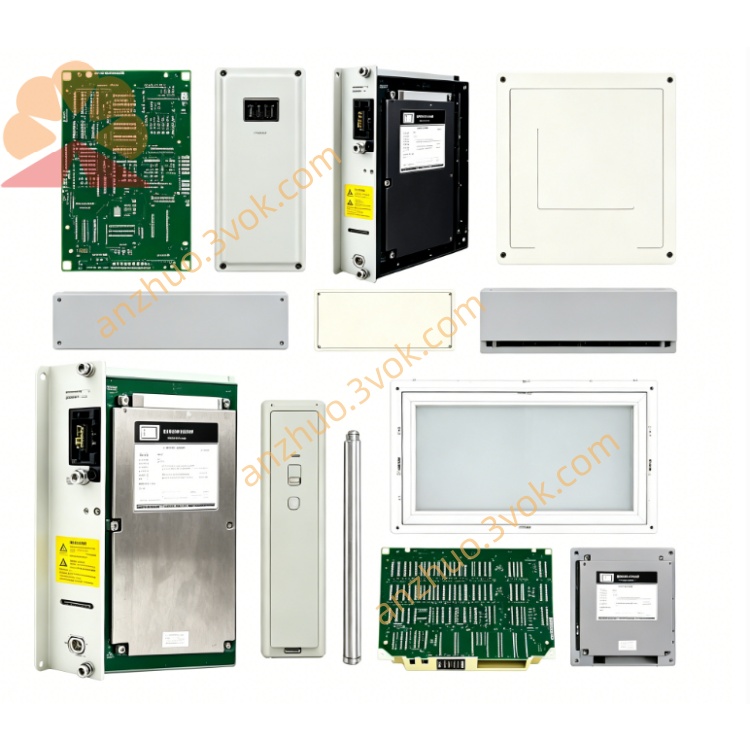
HONEYWELL 51305508‑200
Description
Product Description
Model Definition
51305508‑200: Honeywell part number(‑200 = medium‑distance fiber version, conformal coated).
Alias: XLCNE2, XLCNE2 MM, LCN Extender Board.
Breakdown:
5130: Honeywell DCS hardware series.
5508: XLCNE2 circuit design.
200: Medium‑distance fiber optic interface, conformal coated.
Technical Specifications
System Compatibility: Honeywell TDC 3000, Experion PKS (C300).
Function: LCN fiber extension, segment interconnection, signal amplification.
Interface: Dual fiber ports (multi‑mode, 100 Mbps).
Power: 5 VDC, ≤500 mA.
Isolation: 1500 VAC between channels and ground.
Operating Temperature: 0 °C to +60 °C.
Storage Temperature: −40 °C to +85 °C.
Humidity: 5%–95% RH, non‑condensing.
Dimensions: 120 mm × 60 mm × 15 mm.
Weight: Approx. 0.15 kg.
Certifications: CE, UL, CSA, RoHS compliant.
Interface & Communication
Fiber Ports: 2 × multi‑mode fiber connectors (SC/ST), 100 Mbps, max 2 km.
LCN Bus: Connects to LCN backbone via proprietary electrical interface.
Diagnostics: LED indicators for power, link, activity, and fault.
Redundancy: Supports redundant XLCNE2 pairs for high availability.
Core Functions
LCN Extension: Extends LCN over fiber to connect remote control rooms or racks.
Signal Regeneration: Amplifies and reshapes LCN signals to reduce attenuation.
Segment Isolation: Electrical isolation between LCN segments to prevent fault propagation.
Medium‑Distance Link: Optimized for 500 m–2 km multi‑mode fiber links.
Network Management: Reports link status and errors to the DCS engineer station.
Application Scenarios
Large‑Scale DCS: TDC 3000 / Experion PKS with distributed control rooms.
Process Industries: Oil & gas, chemical, power, petrochemical, pulp & paper.
Remote I/O Racks: Connecting remote I/O cabinets to the main LCN network.
High‑Reliability Plants: Facilities requiring isolated, long‑distance LCN communication.
Usage & Maintenance
Usage
Installation: Insert into dedicated XLCNE2 slot in the DCS cabinet; secure with screws.
Fiber Connection: Connect multi‑mode fiber to SC/ST ports; ensure Tx/Rx polarity.
Power: 5 VDC ±5%; verify power LED is on and no fault LEDs are lit.
Configuration: Set LCN segment ID and redundancy via engineer station.
Maintenance
Environment: Keep cabinet clean, dry, 0–60 °C.
Inspection: Monthly check of LED status; quarterly fiber connector cleaning.
Cleaning: Use dry, lint‑free cloth for connectors; avoid liquid cleaners.
Spare Parts: Store spares in anti‑static packaging in a cool, dry place.
Repair: Do not disassemble; return faulty modules to Honeywell or authorized service centers。
Get a Quote